
Benefits of Soft Dry Dog Food for Pets
クイックアンサー
Soft dry dog food is dog food made less hard and crunchy than standard dry kibble while staying easier to store and serve than wet food. It suits dogs that chew slowly, have worn or missing teeth, or need encouragement to finish meals. Texture does not decide nutrition, so the life-stage statement still governs daily feeding.
執筆 Beno · 監修 Prof. Wang Kai, Technical Advisor
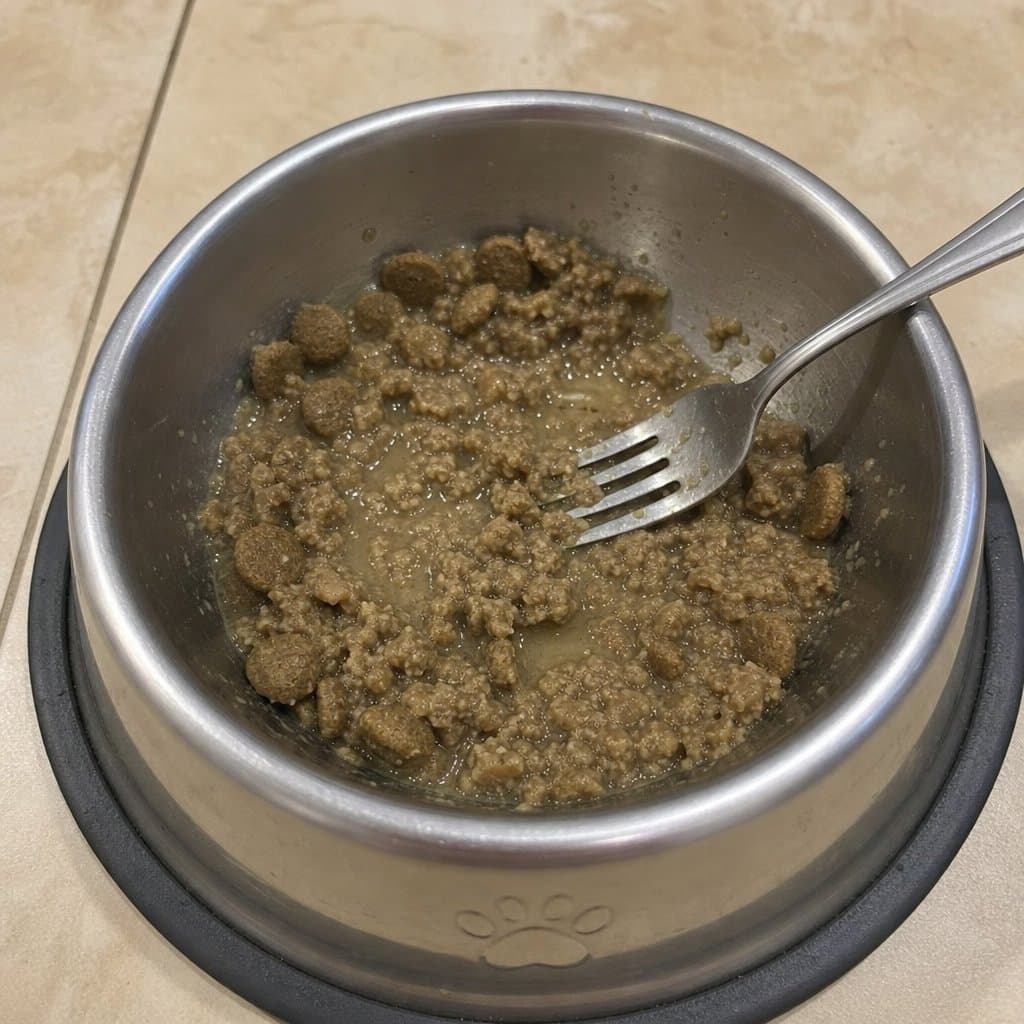
Soft Dry Dog Food combines the convenience of dry dog food with a gentler texture that many pets find easier to chew and enjoy. At BenoPet, we manufacture pet supplements for brand partners and work with soft chews and other easy-to-administer formats, so we view texture as part of product performance—not just appearance. This BenoPet FAQ explains how soft dog food differs from traditional dry kibble, which dogs may benefit most, and what to consider before choosing it for daily feeding. Use these answers to compare options, read dog food reviews more confidently, and decide whether a softer formula fits your dog’s age, teeth, appetite, and routine.
What is Soft Dry Dog Food?
Soft Dry Dog Food is a type of dog food designed to be less hard and crunchy than standard dry kibble while still being easier to store and serve than wet food. It may come as tender morsels, semi-moist pieces, or kibble with a softer bite. The goal is simple: give dogs a texture that is easier on the mouth without losing the everyday convenience many pet owners like about dry dog food.
This kind of food can be especially appealing for dogs that turn away from hard kibble, chew slowly, or seem more interested in food with a richer smell and softer feel. It is not automatically better for every pet, but it can solve practical feeding problems when texture is the main issue.
How is soft dry dog food different from regular dry kibble?
Regular dry kibble is usually firm, crunchy, and low in moisture compared with wet or semi-moist foods. Soft dry dog food has a more tender texture, so dogs do not need to bite down with as much force. For some pets, that difference can make mealtime more comfortable and less frustrating.
The softer texture may also make the food seem more flavorful because aroma and mouthfeel play a big role in how dogs respond to meals. However, formulas vary widely. Some products are only slightly softer than traditional kibble, while others are chewy or semi-moist, so it is worth checking the product description and dog food reviews before buying.
Key differences often include:
- Texture: Softer, chewier, or easier to break apart.
- Moisture level: Often higher than standard dry kibble, though not as high as canned food.
- Palatability: Many dogs find it more appealing because of smell and mouthfeel.
- Storage needs: Usually more convenient than wet food, but some formulas may need careful resealing.
- Chewing effort: Often easier for small dogs, seniors, and dogs with sensitive mouths.
Which dogs benefit most from soft dog food?
Soft dog food can help dogs that struggle with very hard pieces, have reduced appetite, or need a meal that feels easier to eat. Senior dogs are often the first group pet owners think of, but they are not the only ones. Puppies transitioning from softer foods, small breeds, picky eaters, and dogs recovering from certain procedures may also do better with a gentler texture. For a healthy but reluctant dog, the stronger aroma may also make it easier to eat dog food consistently.
The wider range of soft food options may also help a dog without teeth. However, some toothless dogs need wet dog food or fully soaked and mashed meals rather than semi-moist pieces. Ask a veterinarian to recommend a suitable texture when teeth are missing or the gums are painful.
It can also be useful when a dog is still interested in food but seems hesitant to chew. If your dog approaches the bowl, sniffs, eats a few pieces, and walks away, texture could be one possible reason. That said, sudden changes in appetite, chewing behavior, or drooling should be discussed with a veterinarian because dental pain or illness may be involved.
Soft dry food may be a good fit for dogs that:
- Have trouble chewing hard dry kibble.
- Are older and eat more slowly than before.
- Prefer tender textures over crunchy food.
- Need encouragement to finish meals.
- Have smaller mouths or fewer teeth.
- Are transitioning between wet food and dry dog food.
Is soft dry dog food for seniors a good choice?
Soft dry dog food for seniors can be a practical choice when an older dog has difficulty chewing hard kibble but still does well with a dry-style feeding routine. Senior dogs may eat more slowly, have worn teeth, or become less enthusiastic about meals, and a softer texture can reduce the effort needed to chew. In elderly dog care, comfortable feeding can help protect appetite, routine, and quality of life. For many households, soft dry food offers a middle ground between crunchy kibble and fully wet food.
When choosing soft dry dog food for senior dogs, texture is only one part of the decision. Older dogs may also need appropriate protein, calories, fiber, and nutrients based on their body condition and health history. If your dog has kidney disease, heart concerns, diabetes, food allergies, or significant dental disease, ask your veterinarian before making a major diet change.
A senior-friendly option should be:
- Easy for your dog to chew without obvious discomfort.
- Complete and balanced for your dog’s life stage.
- Appealing enough to support consistent eating.
- Suitable for your dog’s weight and activity level.
- Simple to portion so you can avoid accidental overfeeding.
Can soft dry dog food help dogs with dental issues?
Soft dry dog food may make eating easier for dogs with missing teeth, sensitive gums, or discomfort when chewing hard kibble. It can reduce the pressure needed to break food apart, which may help a dog stay interested in meals. This is one reason many pet owners look for softer formulas as dogs age.
However, soft food is not a treatment for dental disease or periodontal disease. Bad breath, bleeding gums, pawing at the mouth, dropping food, or chewing on one side can signal a problem that needs veterinary care. A softer diet may improve comfort at mealtime, but it should not replace dental exams, cleanings, or treatment when pain or infection is present.
Does soft dry dog food still clean teeth like crunchy kibble?
Soft dry dog food does not usually provide the same scraping action people associate with crunchy dry kibble. Even with regular kibble, dental benefits can be limited unless the food is specifically designed for oral care. Softer pieces are mainly chosen for comfort, palatability, and ease of chewing, not for tooth cleaning.
If dental health is a priority, build a separate routine rather than relying on food texture alone. Your veterinarian can suggest safe options based on your dog’s mouth, age, and chewing habits. Some dogs benefit from brushing, dental chews, water additives, or prescription dental diets, but the right choice depends on the individual dog.
Is soft dry dog food nutritious enough for daily feeding?
Soft dry dog food can be nutritious enough for daily feeding if it is labeled as complete and balanced for your dog’s life stage. The texture does not automatically determine nutritional quality. A good formula should provide appropriate protein, fat, vitamins and minerals, and calories to support the immune system, muscle condition, and overall health.
The most important step is to read the label carefully. Look for whether the food is intended for adult maintenance, growth, all life stages, or another purpose. If your dog is a puppy, senior, pregnant, highly active, overweight, or living with a medical condition, choose a food that matches those needs rather than picking based on softness alone.
When comparing foods, review:
- Life-stage statement: Make sure the food is appropriate for your dog’s age.
- Feeding guidelines: Use them as a starting point, then adjust based on body condition.
- Ingredient sensitivities: Avoid known triggers if your dog has allergies or intolerances.
- Calorie content: Softer or semi-moist foods can vary in energy density.
- Veterinary advice: Get guidance if your dog has a diagnosed health issue.
Why do some picky dogs prefer soft dog food?
Picky dogs may prefer soft dog food because it often has a stronger aroma, a chewier texture, and a mouthfeel that feels more rewarding than hard kibble. Dogs experience food through smell as much as taste, so a softer food that releases aroma easily can be more tempting. This can be helpful when a healthy dog is bored with meals or reluctant to eat plain dry kibble.
Still, pickiness can be complicated. Some dogs learn to hold out for treats or table scraps, while others avoid food because they feel unwell. If your dog suddenly becomes picky, loses weight, vomits, has diarrhea, or seems tired, do not assume the food is the only issue. Rule out health problems before trying multiple new diets.
How should I transition from dry kibble to soft dry dog food?
A gradual transition helps your dog’s digestive system adjust and makes it easier to see whether the new food agrees with them. Switching too quickly can lead to loose stool, gas, or stomach upset, even if the food is high quality. Most dogs do best when the new food is mixed with the old food over several days.
A simple transition plan:
- Days 1–2: Serve mostly the current dry kibble with a small amount of soft dry dog food.
- Days 3–4: Move toward an even mix if your dog’s stool and appetite stay normal.
- Days 5–6: Serve mostly the new food with a smaller amount of the old food.
- Day 7 and beyond: Feed the new food fully if your dog is doing well.
Go slower if your dog has a sensitive stomach. If vomiting, persistent diarrhea, itching, or refusal to eat develops, pause the transition and contact your veterinarian.
Can I soften regular dry dog food instead of buying a soft formula?
Yes, many pet owners soften regular dry dog food by adding warm water and letting it sit briefly before serving. This can make dry kibble easier to chew without changing brands right away. It is often a useful first step if your dog likes their current food but needs a gentler texture.
There are a few practical rules to follow. Add only enough water to soften the food, serve it fresh, and discard leftovers after mealtime because moistened kibble can spoil faster than dry pieces. Avoid adding broth unless you know it is safe for dogs and does not contain ingredients such as onion, garlic, or excess salt.
Do not rely on baby food or household toppers as the main diet. Plain cooked sweet potatoes may be suitable for some dogs as an occasional addition, while xylitol-free peanut butter should only be offered in a small amount. Always check the ingredient list because xylitol can be life threatening to dogs.
This approach may work well if:
- Your dog already digests the current food comfortably.
- You want to test whether texture is the issue.
- You need a temporary option after dental care.
- You prefer not to change the full diet immediately.
What should I look for in dog food reviews?
Dog food reviews can be useful, but they should be read with a careful eye. Reviews often reveal practical details that labels do not, such as whether the pieces are truly soft, whether small dogs can chew them, or whether picky eaters accept the food. They can also point out packaging issues, strong smells, or texture differences between batches.
At the same time, reviews are personal experiences, not medical advice. A food that works beautifully for one dog may not suit another dog’s digestion, allergies, or calorie needs. Look for patterns across many reviews rather than relying on one dramatic positive or negative comment.
Helpful review details include:
- Whether the food is soft enough for senior dogs.
- How large the pieces are.
- Whether dogs with missing teeth can manage it.
- How the food smells and stores after opening.
- Whether pets had digestive changes during transition.
- Whether buyers mention consistent texture and freshness.
Is soft dry dog food better than wet food?
Soft dry dog food is not automatically better than wet food; it simply serves a different need. Wet food generally has more moisture and a softer texture, while soft dry formulas may be easier to portion, store, and serve. The better choice depends on your dog’s health, preferences, chewing ability, and your daily routine.
For some dogs, wet food is the easiest option because it requires very little chewing. For others, soft dry food offers enough tenderness while keeping meals less messy and more convenient. Some pet owners also combine textures, using soft dry food as the base and adding a small amount of wet food—effectively mixing wet and dry textures for aroma and variety. When combining kibble and wet food, calculate the total serving rather than treating the topper as calorie-free.
Choose based on your priorities:
- Ease of chewing: Wet food is usually softest, but soft dry food may be enough.
- Convenience: Soft dry food is often simpler for scooping and storage.
- Moisture: Wet food usually contributes more water to the diet.
- Cost and waste: Dry-style foods may be easier to portion with less leftover mess.
- Dog preference: The best diet only works if your dog will actually eat it.
Can puppies eat soft dry dog food?
Puppies may be able to eat soft dry dog food if the formula is appropriate for growth. Puppies need specific nutrition to support development, so the life-stage statement matters more than texture. A soft adult formula is not the right choice for a growing puppy unless a veterinarian specifically recommends it.
Soft texture can be helpful during weaning or when a puppy is learning to chew. Many puppy owners start with moistened kibble, then gradually reduce added water as the puppy becomes comfortable. Keep portions measured, feed on a consistent schedule, and monitor stool quality as the puppy adjusts.
How do I store soft dry dog food safely?
Storage matters because softer foods may contain more moisture than traditional dry kibble. Always follow the package instructions, seal the bag tightly, and keep it in a cool, dry place. If the food smells unusual, changes texture, or appears moldy, do not serve it.
For best results, keep the original packaging even if you place the bag inside a storage container. The package includes the lot number, expiration date, feeding instructions, and manufacturer information. Wash storage containers regularly so oils and crumbs do not build up and affect freshness.
Good storage habits include:
- Reseal the package after every meal.
- Store away from heat, humidity, and direct sunlight.
- Use clean, dry scoops.
- Avoid mixing old and new bags together.
- Check expiration dates before feeding.
Will soft dry dog food cause weight gain?
Soft dry dog food can contribute to weight gain if portions are too large or if the formula is calorie-dense for your dog’s activity level. Texture does not determine whether a food is fattening. Calories, serving size, treats, and exercise all matter.
Because many dogs find soft food more appealing, they may eat more eagerly. That is helpful for dogs with low appetite, but it can be a challenge for dogs that need weight control. Measure meals, limit extras, and check your dog’s body condition regularly. If your dog is gaining weight, reduce treats first and ask your veterinarian whether the main diet or portion size should change.
Are there downsides to soft dry dog food?
Soft dry dog food has many practical benefits, but it may not be ideal for every dog. Some formulas can be more expensive than standard dry kibble, and some may require more careful storage. Softer textures may also stick to teeth more than crunchy pieces, making dental care important.
Another possible downside is that some dogs love the texture so much that switching back to regular kibble becomes harder. If you use soft food only temporarily, keep your long-term plan in mind. You can also mix textures gradually so your dog stays flexible with meals.
Common considerations include:
- It may not support dental cleaning by itself.
- It can spoil faster if moisture is added or packaging is left open.
- It may be too rich for some sensitive stomachs.
- It still needs to match your dog’s life stage and health needs.
- It should not be used to hide signs of mouth pain without veterinary care.
How can I tell if my dog is doing well on soft dry dog food?
Your dog is likely doing well on soft dry dog food if they eat comfortably, maintain a healthy weight, have normal stool, and show steady energy. Their coat, skin, appetite, and digestion should remain consistent after the transition period. Comfort at the bowl is a major sign: your dog should be able to chew without dropping food, whining, or avoiding one side of the mouth.
Monitor your dog for a few weeks after switching. Small changes during transition can happen, but ongoing digestive upset, itching, ear issues, weight changes, or low appetite may mean the food is not the right match. Keep notes if needed so you can discuss specific patterns with your veterinarian.
When should I ask a veterinarian before switching foods?
Ask a veterinarian before switching if your dog has a medical condition, is on a prescription diet, has severe dental disease, or has unexplained appetite changes. You should also seek advice if your senior dog suddenly refuses dry kibble, because pain or illness may be the real cause. Soft dry dog food can make meals easier, but it should fit into your dog’s overall health plan.
Veterinary guidance is especially important for dogs with chronic digestive problems, food allergies, kidney concerns, heart disease, diabetes, pancreatitis history, or major weight issues. In those cases, the safest food is not just the one your dog likes most. It is the one that supports their specific nutritional needs while remaining enjoyable enough for daily feeding.
How does BenoPet approach soft-texture pet products?
BenoPet supports pet brands with private-label and OEM/ODM supplement development in formats including soft chews, powders, oils, drops, tablets, and pastes. When a concept is intended for older dogs, small breeds, picky eaters, or pets with dental sensitivity, our development process considers more than the active ingredient list. Soft texture, palatability, serving size, ingredient compatibility, stability, packaging, and clear directions all affect whether owners can use the finished product consistently.
We can support formula development, sample preparation, packaging and label customization, and cross-border logistics. At the same time, positioning must remain clear: a pet supplement does not replace complete and balanced dog food unless the finished product has been specifically formulated and labeled for that purpose. Product claims and feeding directions should match the formula, intended use, and target market.
What is the simplest way to choose the right soft dry dog food?
Start with your dog’s main need: easier chewing, better appetite, senior support, or a smoother transition from wet food. Then choose a complete and balanced formula that matches your dog’s life stage, body condition, and known sensitivities. Texture should solve a real feeding problem, but nutrition should drive the final decision.
A simple buying checklist:
- Choose the right life stage: puppy, adult, senior, or all life stages when appropriate.
- Confirm the texture is truly soft enough for your dog.
- Read several dog food reviews for real-world details about size, smell, and freshness.
- Check calorie guidance and measure portions from the start.
- Transition gradually instead of switching overnight.
- Watch your dog’s chewing, stool, appetite, and weight.
- Ask your veterinarian if your dog has health concerns or sudden behavior changes.
Soft Dry Dog Food can be a smart option for pets that need comfort, convenience, and a more appealing meal texture. Whether you are comparing soft dry dog food for seniors, looking for a gentler alternative to dry kibble, or trying to help a picky eater, the best choice is the one your dog can chew comfortably, digest well, and enjoy consistently.
For pet brands developing easy-to-administer supplements for senior, dental, digestive, or everyday wellness needs, BenoPet provides practical OEM/ODM support from formula and samples to packaging and labels. Contact BenoPet to discuss a soft-format product concept for your market.
参考資料
よくあるご質問
- What is soft dry dog food?
- Soft dry dog food is a type of dog food designed to be less hard and crunchy than standard dry kibble while still being easier to store and serve than wet food. It may come as tender morsels, semi-moist pieces, or kibble with a softer bite. The goal is a texture that is easier on the mouth without losing everyday convenience.
- How is soft dry dog food different from regular dry kibble?
- Regular dry kibble is usually firm, crunchy, and low in moisture. Soft dry dog food has a more tender texture, so dogs do not need to bite down with as much force. The differences show up in texture, moisture level, palatability, storage needs, and chewing effort — though formulas range from slightly softer kibble to genuinely semi-moist pieces.
- Which dogs benefit most from soft dog food?
- Soft dog food can help dogs that struggle with very hard pieces, have reduced appetite, or need a meal that feels easier to eat. Senior dogs are the group owners think of first, but puppies transitioning from softer foods, small breeds, picky eaters, and dogs recovering from certain procedures may also do better with a gentler texture.
- Does soft dry dog food still clean teeth like crunchy kibble?
- Soft dry dog food does not usually provide the same scraping action people associate with crunchy dry kibble. Even with regular kibble, dental benefits can be limited unless the food is specifically designed for oral care. If dental health is a priority, build a separate routine rather than relying on food texture alone.
- Is soft dry dog food nutritious enough for daily feeding?
- Soft dry dog food can be nutritious enough for daily feeding if it is labeled as complete and balanced for your dog's life stage. Texture does not automatically determine nutritional quality. Check the life-stage statement, feeding guidelines, ingredient sensitivities, and calorie content rather than choosing on softness alone.
- Can I soften regular dry dog food instead of buying a soft formula?
- Yes. Many owners soften regular dry dog food by adding warm water and letting it sit briefly before serving. Add only enough water to soften the food, serve it fresh, and discard leftovers after mealtime, because moistened kibble can spoil faster. Avoid broth unless you know it is free from onion, garlic, and excess salt.
- How should I transition from dry kibble to soft dry dog food?
- Transition gradually over about a week: mostly the current kibble with a little of the new food on days one and two, an even mix on days three and four, mostly the new food on days five and six, then a full switch if your dog is doing well. Go slower for a sensitive stomach and pause if vomiting, persistent diarrhea, or refusal to eat develops.
製品化を検討しませんか
ブリーフをお送りください。OEM/ODM チームが進め方、MOQ、サンプル手順をご案内します。