
Benefits of Using Natural Dog Ear Cleaners
クイックアンサー
Benefits of using natural dog ear cleaners are limited to routine care on an ear that already looks comfortable. A dog-safe liquid can loosen light wax and debris so you can wipe them from the outer ear. A natural label does not make vinegar, alcohol, or peroxide safe. Skip home cleaning when the ear is red, painful, or foul-smelling, and ask a veterinarian first.
執筆 Beno
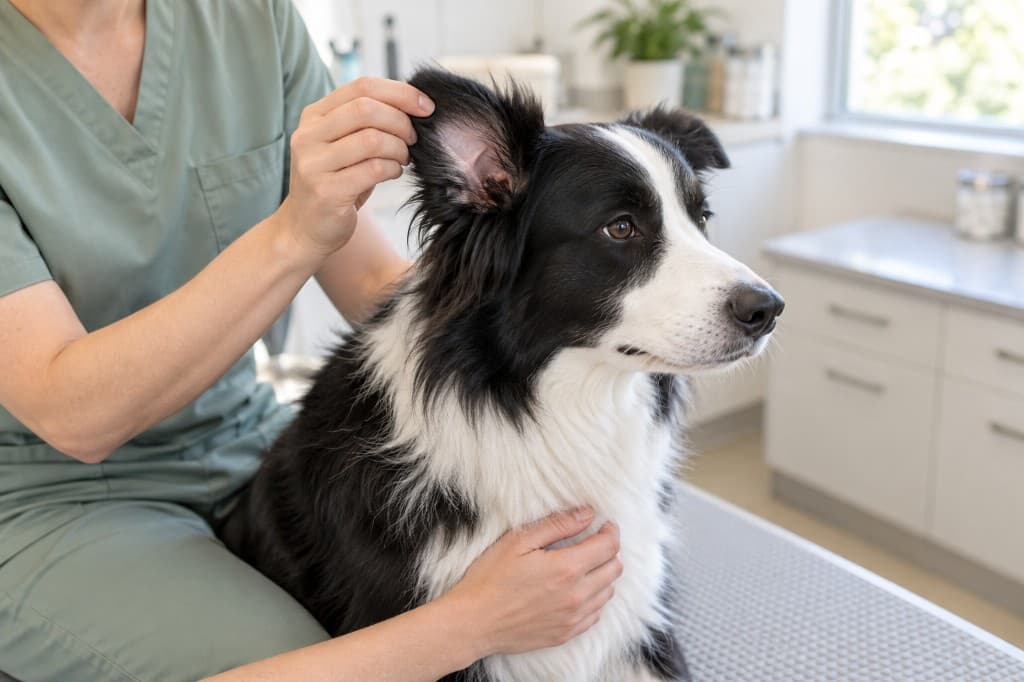
Benefits of using natural dog ear cleaners are limited to a small job. A natural dog ear cleaner can help with ordinary pet ear care by loosening light wax and debris so you can wipe them from the outer ear. It does not treat an infection. The word "natural" does not show that the liquid is safe. Use a safe ear cleaner made for dogs, use it only when that ear needs it, and keep kitchen mixtures out of the canal.
People often search "ear cleaner dog natural" when they want a gentler product. Read past that phrase. The label should say the product is for dogs and for ears, and a veterinarian should agree that this dog needs cleaning at home.
How do natural dog ear cleaners help your dog?
Natural dog ear cleaners are for routine care of an ear that already looks comfortable. They are not a home treatment for infection, ear mites, a foreign object, or a damaged eardrum.
A dog ear solution made for this use can loosen wax and debris so they move toward the opening. That matters because a dog's ear canal has a long horizontal section, and material trapped there can lead to itching and infection. VCA Animal Hospitals describes this as the reason some dogs need cleaning help. A healthy ear is usually pink, without a strong smell, and not inflamed. A small amount of wax can be normal. Clean when you see buildup, notice a mild odor, or see more head shaking than usual. Do not clean only because a date is on the calendar. Cleaning too often can irritate the ear and lead to infection. American Kennel Club, updated June 1, 2026
Some dogs almost never need a cleaner. Dogs with long, heavy ears, such as Basset Hounds and Cocker Spaniels, and dogs that swim often, are more likely to collect debris and moisture. How often to clean is a decision for that dog's veterinarian. AKC
For owners who want natural pet care, the useful change is the habit around the bottle: look at the ear, use a dog-specific cleaner, and stop when something looks wrong. AKC describes veterinary ear-cleaning solutions as the safer choice, and says some homemade liquids irritate the ear or simply do not clean it well. None of the sources checked for this article show that a "natural" label means a cleaner works better or is safer.
If a veterinarian is already treating an ear infection, wax and discharge can block topical medicine or reduce its effect, so the clinic may clean the ear before medication. That step belongs in a treatment plan. Cleaning an ear that you only suspect is infected, without an exam, often makes the problem worse. Merck Veterinary Manual, dog-owner section, reviewed April 2026; AKC
What should you check before cleaning?
Look and smell before you open any bottle. Do not start with a diy ear cleaner when the ear already looks abnormal.
Contact a veterinarian before cleaning if you see redness, swelling, a strong odor, discharge, pain, or constant scratching, or if the dog pulls away when you touch the ear. A head tilt, trouble walking, or a sudden change in balance needs a prompt visit. Inner-ear inflammation can cause a head tilt and affect balance. Merck Veterinary Manual, middle and inner ear Red, inflamed, or painful ears may mean an infection or a ruptured eardrum. Do not put cleaner into that ear until it has been examined. VCA
Red, yeasty, or painful ears can also point to allergies. That is a reason to book the clinic, not a reason to flush the ear or start a supplement. Allergy and immune chews are a separate daily-support product. They do not clean ears or treat an infection.
Use this check:
- Ear flap and opening. Light wax can be normal. Heavy debris, pus-like discharge, blood, or crust needs a clinic, not a home flush. AKC; Merck
- Smell. A strong yeasty or foul smell from the ear is a reason to call the clinic. AKC If the odor is coming from the mouth, that is dog bad breath, not a job for ear cleaner.
- The dog's reaction. Mild fidgeting can be annoyance. Pulling away can mean the ear is sore. Yelping or snapping is a reason to stop. AKC; VCA
- The label. Use a cleaner labeled for dogs and for ears. The same habit of reading what a product claims, and what it does not claim, is covered in assessing pet supplements. Skip a dog homemade ear cleaner copied from a forum or a short video.
- Cotton. Use cotton balls or gauze. Do not use cotton swabs. Swabs can push debris deeper, injure the canal, or damage the eardrum. Merck's owner guidance also says to use real cotton balls rather than polyester or other synthetic fibers, and to avoid over-the-counter wax removers unless a veterinarian has approved them. VCA; AKC; Merck
Follow these steps to use a natural dog ear cleaner safely
Use these steps only after the ear has passed the check above, and only with a cleaner the dog's veterinarian is comfortable with.
Current owner instructions from AKC, VCA, and the Merck Veterinary Manual describe filling the canal with that kind of cleaner. A veterinary answer from 2017, written about homemade recipes, says not to put any liquid in the canal and to wipe only the flap and opening. Healthcare for Pets, Dr. Kimberly Hester, June 10, 2017 Keep homemade liquids off the canal. For a commercial dog cleaner, ask the clinic to demonstrate the method once.
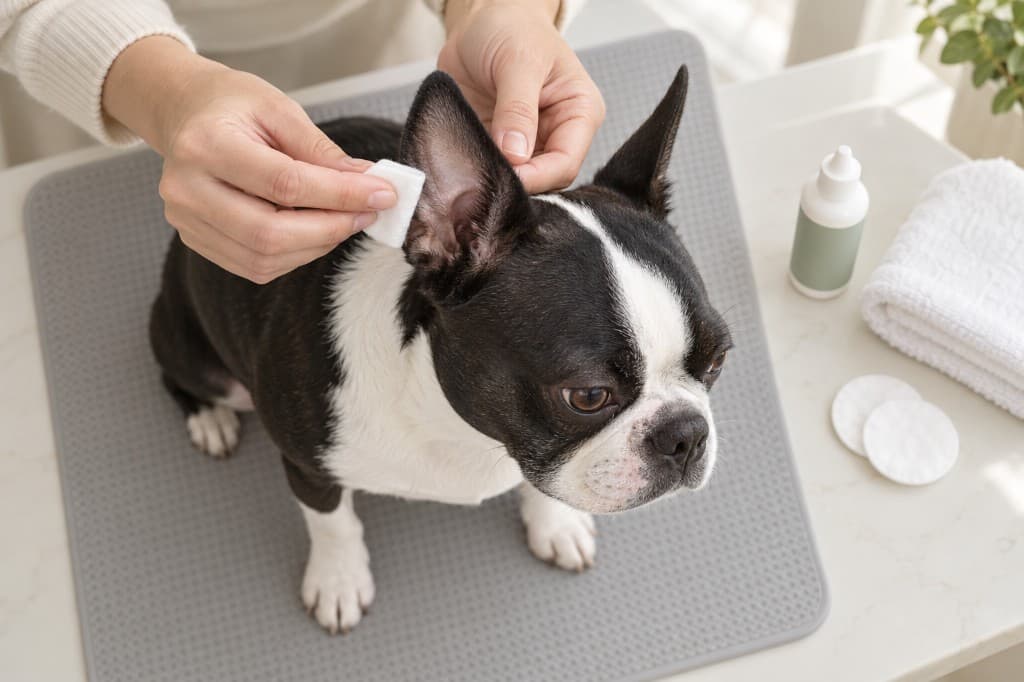
- Set out the cleaner, real cotton balls or gauze, a towel, and treats. Choose a room that is easy to clean, because head shaking is messy. If the bottle is cold, warm it in your hands so the liquid is less startling. That is a handling tip, not a medical rule from these sources.
- Give yourself a stable position. VCA suggests a large dog sitting in a corner with one side against a wall, a medium dog sitting between your legs, and a small dog on your lap. Lift the ear flap up to straighten the canal. Reward the dog before any liquid goes in.
- Fill the canal until liquid pools at the opening. A few drops often do not reach the debris. Do not push the bottle tip into the canal, and do not let the tip touch the ear. Contact can contaminate the bottle. If the tip does touch the ear, wipe the tip with a cotton ball soaked in alcohol. That alcohol is for the bottle tip only. Do not pour alcohol into the ear. AKC; VCA
- Keep the flap lifted and massage the base of the ear for about 30 seconds, or for the time on the label. A soft squishing sound means the liquid is moving. Stop if the dog shows pain. AKC; VCA
- Let the dog shake. The shake brings loosened liquid and debris outward. Keep a towel between you and the dog.
- Wipe with cotton or gauze. Clean the flap, then the canal only about as far as one knuckle, and no deeper. Do not use a swab. If you are unsure of that depth, ask the clinic to show you. Merck also describes wadding a cotton ball and inserting it gently, and says a veterinarian should demonstrate that technique. Do not invent that step from a written guide. AKC; VCA; Merck
- Give a treat and watch the dog afterward. A damp ear right after cleaning can be expected. Continued shaking, soreness, or redness is a reason to stop and call the clinic.
If a veterinarian has prescribed ear medication, ask whether to clean first and whether to wait before applying the medicine. Some cleaners can weaken ear drops. Do not add this step to an ear that has not been examined. VCA
Choose safer ingredients and avoid harsh homemade mixtures
A natural claim does not tell you the pH, whether the formula is safe if the eardrum is damaged, or whether it belongs in an inflamed ear. In clinical guidance, cleaner choice depends on the kind of discharge. A neutral pH is one feature that can make a cleaner less painful on an inflamed ear. Ingredients that a normal canal tolerates, including propylene glycol in some commercial products, may still irritate an ear that is already inflamed. If the eardrum is ruptured, some wax-removing cleaners are contraindicated, and a veterinarian may use a milder flush such as saline. Those are clinic decisions. Merck Veterinary Manual, clinical chapter
Ask a veterinarian before any dog ear cleaner homemade project. Many dog homemade ear cleaner recipes spread because vinegar, alcohol, and peroxide are already in the house. Veterinary sources tell owners not to use them as ear treatments:
- Vinegar mixtures can increase swelling and secretions and raise the chance of infection. A product that a healthy ear tolerates can still irritate an inflamed one. Merck, dog-owner section
- Hydrogen peroxide can irritate healthy skin cells in the ear, and extended use may damage the ear. Cleaners that contain hydrogen peroxide or alcohol can also irritate a canal that is inflamed or ulcerated. Household peroxide is not a stand-in for a cleaner a veterinarian selects. AKC; VCA
- Alcohol in the canal can sting broken skin, dry the tissue, and disturb the canal environment. Dr. Kimberly Hester, Healthcare for Pets, 2017
- Tea tree oil should stay out of the ear. In that same 2017 answer, the veterinarian says documented toxicity cases exist in dogs and cats after topical use or ingestion. Do not put other essential oils into the ear unless a veterinarian has recommended that specific product for that dog.
- Witch hazel is not automatically gentle. If the bottle contains alcohol, it raises the same irritation problem VCA describes for alcohol-containing cleaners. Check that label before anyone uses it on an ear.
A safer natural pet care habit is narrower: a veterinarian-recommended dog cleaner, gentle handling, keeping bathwater and pool water out of the canal, and drying the flap afterward. For dogs that swim often, use a drying product only when the veterinarian recommends it. AKC; Merck
Pet brands that pair seasonal skin support with grooming accessories can review skin and coat supplements. That range is not an ear cleaner, and it does not replace the exam above.
What if your dog hates ear cleaning?
Teach the handling before you add liquid. Touch the ear flap, give a treat, and stop before the dog panics. On another day, show the bottle and reward again. Add cleaner only after a veterinarian has said cleaning is appropriate.
- Clean while the dog is already calm, and keep the session short.
- Save a treat the dog values for ear handling, so the sequence stays predictable. AKC
- Watch for stress as well as pain. VCA's ear-handling guidance lists a stiff body, wide eyes, leaning away, refusing treats, and snapping. Stay inside the dog's comfort zone. VCA
- Ask the veterinary team to demonstrate the cleaning method if you are unsure. A groomer can help a dog practice being touched only when the clinic has already said the ears are healthy.
- Stop if the dog seems painful.
What this routine can realistically do
Used on a comfortable ear, a natural dog ear cleaner has a limited job. You learn what normal looks like, you remove minor wax before it bothers the dog, and you avoid harsh liquids in the canal. It can be one part of grooming for dogs that actually collect wax or debris.
A diy ear cleaner does not become safe because the ingredients are familiar. The safer routine is a dog-appropriate cleaner, a check for warning signs, and a veterinarian when those signs show up.
参考資料
- American Kennel Club, How to Clean a Dog's Ears (updated June 1, 2026)
- VCA Animal Hospitals, Instructions for Ear Cleaning in Dogs
- VCA Animal Hospitals, Dog Behavior and Training: Cleaning Ears
- Merck Veterinary Manual, Ear Infections and Otitis Externa in Dogs (reviewed April 2026)
- Merck Veterinary Manual, Otitis Media and Interna in Dogs (reviewed April 2026)
- Merck Veterinary Manual, Otitis Externa in Animals
- Healthcare for Pets, Dr. Kimberly Hester, ingredients to avoid in a homemade dog ear cleaner (June 10, 2017)
よくあるご質問
- What are the benefits of using natural dog ear cleaners?
- Benefits of using natural dog ear cleaners are limited to routine care on an ear that already looks comfortable. A dog-safe liquid can loosen light wax and debris so you can wipe them from the outer ear. A natural label does not make a kitchen recipe safe, and these products do not treat an infection, ear mites, or a damaged eardrum.
- When should you skip a diy ear cleaner?
- Do not start with a diy ear cleaner when the ear already looks abnormal. Call a veterinarian first if you see redness, swelling, a strong odor, discharge, pain, or constant scratching, or if the dog pulls away when you touch the ear. A head tilt or trouble walking also needs a prompt visit. Red, inflamed, or painful ears may mean an infection or a ruptured eardrum.
- How do you use a natural dog ear cleaner safely?
- Use the steps only after the ear looks comfortable, and only with a cleaner the dog's veterinarian accepts. Fill the canal until liquid pools at the opening, keep the bottle tip out of the ear, and massage the base for about 30 seconds. Let the dog shake, then wipe with cotton or gauze only about as far as one knuckle. Stop if the dog shows pain.
- Are dog homemade ear cleaner recipes safe?
- Many dog homemade ear cleaner recipes use vinegar, alcohol, or hydrogen peroxide because those items are already in the house. Veterinary sources tell owners not to use them as ear treatments. Vinegar mixtures can increase swelling and secretions. Hydrogen peroxide can irritate healthy skin cells in the ear. Alcohol can sting broken skin, and tea tree oil should stay out of the ear.
- How often should you clean a dog's ears?
- Clean when you see buildup, notice a mild odor, or see more head shaking than usual. Do not clean only because a date is on the calendar. Some dogs almost never need a cleaner. Cleaning too often can irritate the ear and lead to infection. How often to clean a long-eared dog, or a dog that swims often, is a decision for that dog's veterinarian.
- What if your dog hates ear cleaning?
- Teach the handling before you add liquid. Touch the ear flap, give a treat, and stop before the dog panics. Clean while the dog is already calm, and keep the session short. Watch for a stiff body, wide eyes, leaning away, refusing treats, or snapping. Ask the veterinary team to demonstrate the method if you are unsure, and stop if the dog seems painful.
製品化を検討しませんか
ブリーフをお送りください。OEM/ODM チームが進め方、MOQ、サンプル手順をご案内します。