
Understanding GI Support for Dogs
クイックアンサー
GI support for dogs is the mix of diet, hydration, fiber, and probiotics that helps the gut digest food, absorb nutrients, and keep stools steady. It matters most during food changes, stress, travel, or short-term upset. Choose a pet formula with named strains, and call a veterinarian if vomiting, weight loss, or blood in the stool continues.
執筆 Beno · 監修 Prof. Wang Kai, Technical Advisor
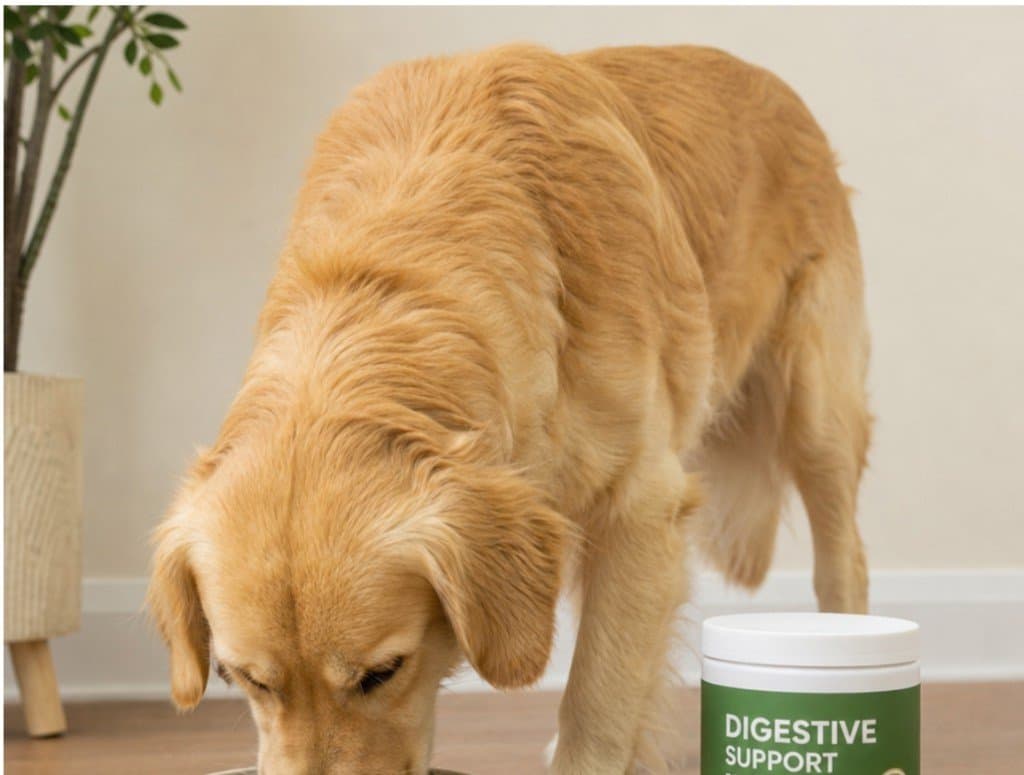
Good digestion shapes much more than your dog's bathroom routine. Thoughtful GI support for dogs can help maintain steadier stools, better nutrient use, a calmer belly, and a healthier daily rhythm, especially during diet changes, stress, travel, or recovery from short-term digestive upset. This guide explains how canine gut health works, what dog probiotics and other dog gut supplements can do, and how to choose safe, practical support without overcomplicating your dog's routine.
What does GI support for dogs actually mean?
GI support for dogs means helping the gastrointestinal system digest food, absorb nutrients, maintain a balanced microbiome, and move waste through the body comfortably. In everyday terms, it is the combination of diet, hydration, fiber, probiotics, and veterinary guidance that keeps your dog's gut functioning well.
The gut is home to a large community of bacteria, yeasts, and other microorganisms. When that community is balanced, digestion tends to be smoother and stools are usually more consistent. When it is disrupted, dogs may show signs such as loose stool, gas, appetite changes, vomiting, or general discomfort.
Good gut support for dogs is not about throwing every supplement at the problem. It starts with basics: a suitable diet, gradual food transitions, consistent feeding habits, and attention to patterns. Supplements can be useful, but they work best when they support a solid foundation rather than trying to replace one.
Why canine gut health matters beyond digestion
A healthy gut helps your dog break down food and absorb the nutrients needed for energy, tissue repair, immune defense, and overall resilience. Because the digestive tract interacts closely with the immune system, gut balance can influence how well a dog handles daily stressors, environmental changes, and dietary variation.
There is also growing interest in the gut-brain and gut-skin connection. Many pet owners first look for dog digestive remedies because of loose stool or gas, but they may also notice changes in mood, itchiness, coat quality, or behavior when digestion is off. These signs do not always mean the gut is the only issue, but they are worth paying attention to.
For puppies, seniors, and dogs with sensitive stomachs, digestive balance can be especially important. Puppies are still developing stable gut communities, senior dogs may have changing digestive efficiency, and sensitive dogs may react more noticeably to new foods or treats. In all cases, small, consistent habits often matter more than dramatic changes.
Common signs your dog may need digestive support
Digestive issues can be temporary, mild, or linked to a condition that needs veterinary care. The goal is to recognize patterns early and respond appropriately.
Watch for signs such as:
- Loose stool or diarrhea, especially after a food change, boarding, travel, or stress
- Excessive gas, stomach gurgling, or visible discomfort after meals
- Irregular stool consistency, alternating between firm and soft stools
- Vomiting or repeated nausea, particularly if it happens more than once
- Appetite changes, including refusing meals or suddenly eating grass
- Straining, mucus, or blood in stool, which should be treated as a reason to contact a veterinarian
- Skin flare-ups or dull coat, when paired with digestive changes
Mild digestive upset after a known trigger may improve with bland feeding guidance from your vet, hydration, and short-term support. However, ongoing symptoms, severe diarrhea, repeated vomiting, weight loss, pain, lethargy, or blood in stool should not be managed with supplements alone.
The main types of dog digestive remedies
Dog digestive remedies range from simple diet adjustments to targeted dog gut supplements. Choosing the right option depends on what your dog is experiencing, how long it has been going on, and whether there are any red flags.
Probiotics
Dog probiotics contain beneficial live microorganisms intended to support microbial balance in the gut. They are often used during diet transitions, after antibiotic use, during travel, or for dogs prone to occasional soft stool. Strain choice matters because different organisms may support different needs.
Commonly discussed options include Enterococcus faecium for stool quality support, multi-strain blends with Lactobacillus and Bifidobacterium for broader microbiome support, and Saccharomyces boulardii, a beneficial yeast often used when stress or sensitivity is involved. A good label should name the strains clearly rather than using vague language.
Prebiotics and fiber
Prebiotics are fibers that help feed beneficial bacteria. Pumpkin is a familiar option for many dog owners because it can help with stool consistency when used appropriately. Inulin from chicory root is another common prebiotic ingredient found in many formulas.
Fiber can be helpful, but more is not always better. Too much fiber may worsen gas or stool changes in some dogs, so introduce it gradually and avoid stacking multiple fiber-heavy products at once.
Digestive enzymes
Digestive enzymes help break down fats, proteins, and carbohydrates. Some dogs need enzyme therapy for specific medical conditions, but routine enzyme supplementation is not necessary for every dog. If your dog has chronic weight loss, bulky stools, or persistent digestive trouble, ask your veterinarian before choosing an enzyme product.
Hydration and feeding habits
Hydration supports normal digestion and stool formation. Consistent meal timing, slower eating, and avoiding sudden treat overload can make a real difference. For dogs that gulp food, a slow feeder may reduce swallowed air and post-meal discomfort.
How do you choose safe and effective dog probiotics?
Choose dog probiotics by looking for clear strain names, appropriate CFU information, quality standards, palatable form, and a formula made for pets. The best product is not always the one with the largest number on the label; it is the one that fits your dog's needs, is easy to give consistently, and is transparent about what it contains.
Use this checklist when comparing products:
- Strain transparency: Look for named strains, not just broad categories like "probiotic blend."
- CFU count: Billions of CFUs may be used for ongoing support, while lower amounts may be suitable for short-term or mild use depending on the formula.
- Pet-specific design: Choose products intended for dogs, or for dogs and cats when clearly labeled that way.
- Quality signals: Look for transparent manufacturing information, lot numbers, expiration dates, and recognized quality programs such as the NASC Quality Seal when available.
- Simple ingredients: Avoid unnecessary fillers, artificial sweeteners, or ingredients your dog does not tolerate.
- Palatability: Powders, chews, capsules, and pastes only work if your dog will take them. Liver- or yeast-flavored powders are often easier to mix into meals.
- Use case: Match the formula to your goal, whether that is daily maintenance, travel support, antibiotic recovery, or occasional stool inconsistency.
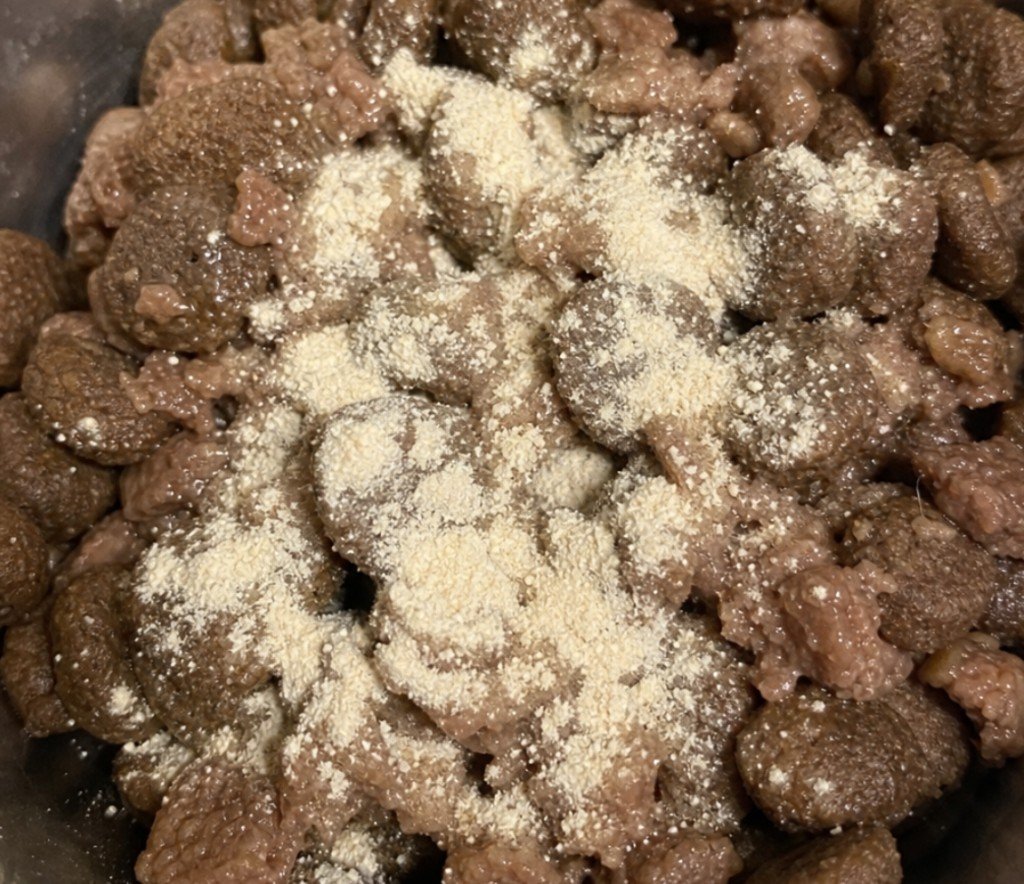
If you are researching a product such as Bark Whiskers GI Support for Dogs and Cats, review the label the same way. Check the active ingredients, serving directions, species suitability, and whether it provides the level of transparency you want before adding it to your pet's routine.
Building a daily gut support routine
A practical gut routine should be simple enough to maintain. Start with your dog's normal diet and look for avoidable triggers: sudden food swaps, too many rich treats, table scraps, or inconsistent feeding times. If you need to change food, transition gradually unless your veterinarian recommends otherwise.
Next, add support one step at a time. If you introduce pumpkin, kefir, a probiotic, and a new food all in the same week, you will not know what helped or what caused a problem. A slower approach makes it easier to identify what your dog tolerates.
A balanced routine may include:
- A consistent base diet that suits your dog's age, size, activity level, and sensitivities.
- Measured treats that do not overwhelm the digestive system.
- Prebiotic fiber when stool consistency needs gentle support.
- A targeted probiotic during stressful events, diet changes, or as ongoing support if your dog benefits from it.
- Fresh water and movement, which help normal digestive rhythm.
- Tracking, such as noting stool quality, appetite, gas, and energy for a week or two after changes.
Fermented foods such as plain unsweetened yogurt or kefir may add variety for some dogs, but they are not a fit for every pet. Dogs with lactose sensitivity may become gassy or develop loose stool. Avoid sweetened products, especially anything containing xylitol, which is dangerous for dogs.
When should supplements be short-term versus ongoing?
Short-term gut support may be enough when digestive upset follows a clear temporary trigger, such as boarding, travel, a brief diet change, or a course of antibiotics. Ongoing support may be more appropriate for dogs that repeatedly struggle with stool quality or sensitivity, but persistent symptoms should be discussed with a veterinarian.
For short-term use, many owners give probiotics during the stressful event and for a period afterward, following the product label or veterinary instructions. For maintenance, consistency matters more than constantly changing formulas. If a product helps, stick with it long enough to judge results rather than switching every few days.
The most important rule is to monitor the whole dog, not just the stool. A dog with normal energy, appetite, hydration, and mild stool changes is different from a dog that is lethargic, painful, vomiting, or losing weight. Supplements can support wellness, but they are not a substitute for diagnosis.
Troubleshooting when gut support is not working
If your dog's symptoms do not improve, step back and simplify. Remove new treats, stop unnecessary extras, and return to the most consistent diet your dog tolerates while you seek guidance. Many digestive setbacks come from too many changes at once.
Then ask a few practical questions. Did you give the supplement daily and at the right serving amount? Was the product stored correctly? Did the formula contain ingredients your dog may not tolerate? Did symptoms begin after a new chew, protein, medication, or stressful event?
Contact your veterinarian if symptoms are severe, recurring, or lasting longer than expected. Testing may be needed to rule out parasites, infection, food intolerance, inflammatory disease, pancreatic problems, or other conditions. Getting clarity early can prevent a cycle of trying random dog gut supplements without addressing the real cause.
A smarter way to support your dog's gut
The best approach to canine gut health is steady, observant, and tailored to the dog in front of you. Start with diet quality and consistency, add fiber or dog probiotics thoughtfully, and choose transparent products that match your dog's needs rather than chasing the biggest claim on the shelf.
GI support for dogs works best as part of daily care, not as a last-minute fix. When you combine simple routines with careful supplement choices and veterinary help when needed, you give your dog a stronger foundation for comfortable digestion and overall well-being.
参考資料
よくあるご質問
- What does GI support for dogs actually mean?
- GI support for dogs means helping the gastrointestinal system digest food, absorb nutrients, maintain a balanced microbiome, and move waste through the body comfortably. In everyday terms, it is the combination of diet, hydration, fiber, probiotics, and veterinary guidance that keeps your dog's gut functioning well.
- Why does canine gut health matter beyond digestion?
- A healthy gut helps your dog break down food and absorb the nutrients needed for energy, tissue repair, immune defense, and overall resilience. Because the digestive tract interacts closely with the immune system, gut balance can influence how well a dog handles daily stressors, environmental changes, and dietary variation.
- What are common signs a dog may need digestive support?
- Digestive issues can be temporary, mild, or linked to a condition that needs veterinary care. The goal is to recognize patterns early and respond appropriately. Mild digestive upset after a known trigger may improve with bland feeding guidance from your vet, hydration, and short-term support.
- How do you choose safe and effective dog probiotics?
- Choose dog probiotics by looking for clear strain names, appropriate CFU information, quality standards, palatable form, and a formula made for pets. The best product is not always the one with the largest number on the label; it is the one that fits your dog's needs, is easy to give consistently, and is transparent about what it contains.
- When should dog gut supplements be short-term versus ongoing?
- Short-term gut support may be enough when digestive upset follows a clear temporary trigger, such as boarding, travel, a brief diet change, or a course of antibiotics. Ongoing support may be more appropriate for dogs that repeatedly struggle with stool quality or sensitivity, but persistent symptoms should be discussed with a veterinarian.
- What should you do when gut support is not working?
- If your dog's symptoms do not improve, step back and simplify. Remove new treats, stop unnecessary extras, and return to the most consistent diet your dog tolerates while you seek guidance. Many digestive setbacks come from too many changes at once. Contact your veterinarian if symptoms are severe, recurring, or lasting longer than expected.
Stock formulas this guide maps to
These SKUs are already in production. Open a spec page or send the names in your inquiry.
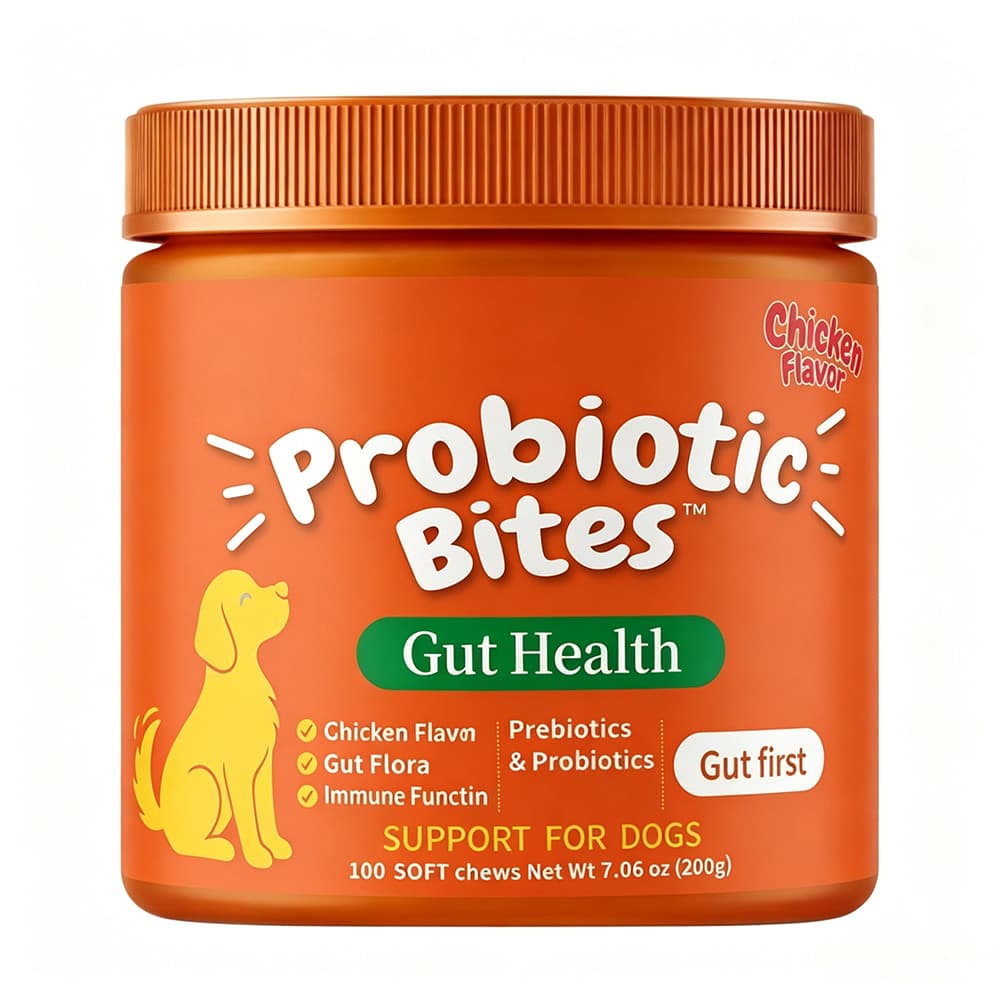 ソフトチュアブル在庫あり
犬猫兼用 · 腸内ケア
プロバイオティクス 腸内ケアソフトチュアブル
犬猫どちらのラインにも展開しやすい毎日の消化ケアです。
- 参考価格
- US$3.60 1 個あたり、パッケージ別
- 最低ロット
- 3,000 個
 粉末
粉末犬猫兼用 · 腸内ケア
ペット用 プロバイオティクスパウダー
そのまま棚に並べられる犬猫兼用の消化ケアパウダーです。
- 参考価格
- US$7.16 1 個あたり、パッケージ別
- 最低ロット
- 3,000 個
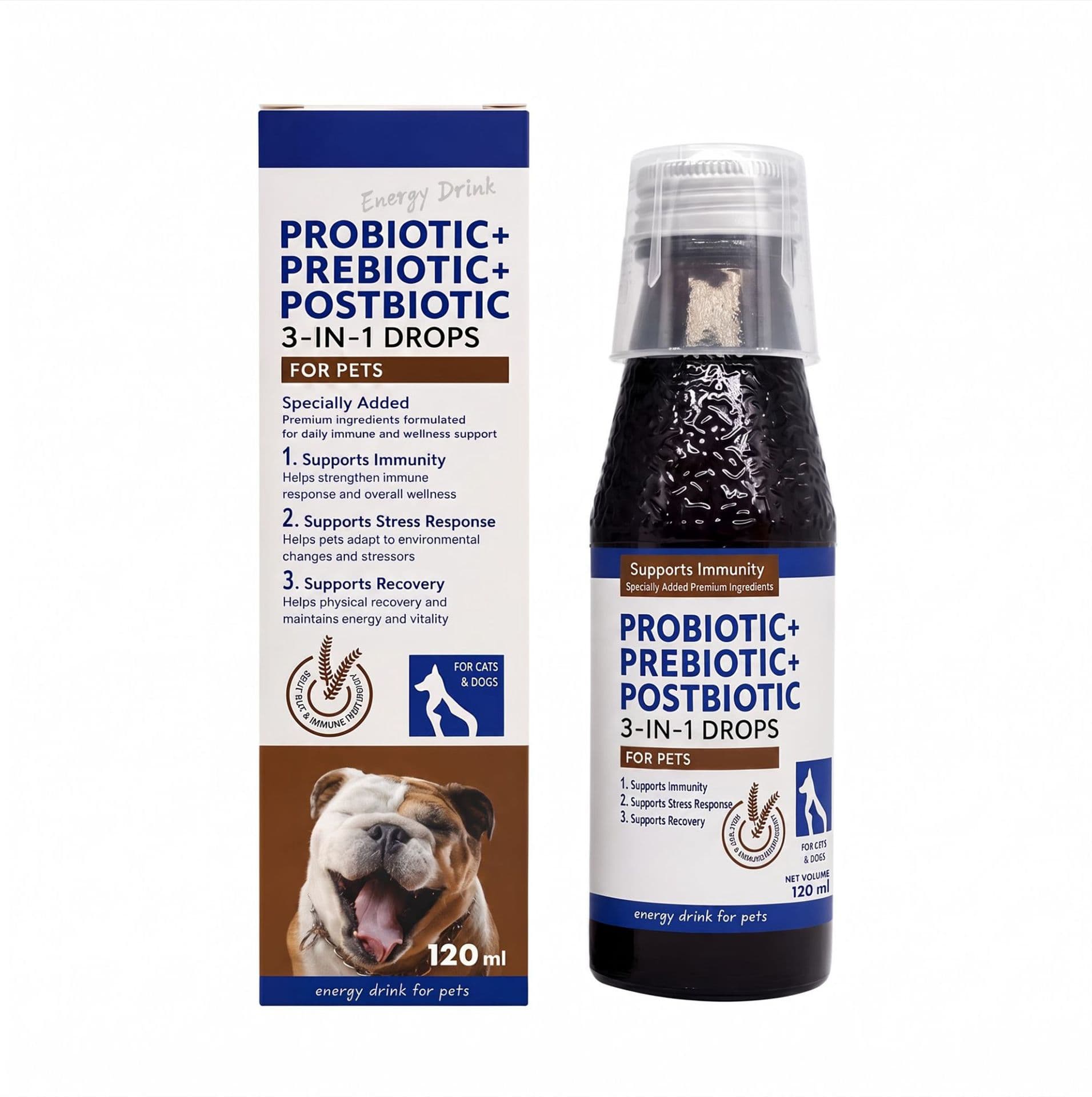 液体ドロップ
犬用 · 腸内ケア
犬用 プロバイオティクス ドロップ
粉末やチュアブルを嫌がる犬向けの液体プロバイオティクスです。
- 参考価格
- US$6.39 1 個あたり、パッケージ別
- 最低ロット
- 3,000 個
製品化を検討しませんか
ブリーフをお送りください。OEM/ODM チームが進め方、MOQ、サンプル手順をご案内します。