
Loose Stool in Dogs: What to Feed at Home
クイックアンサー
Loose stool in dogs is often managed at home with a short-term bland diet when the dog is bright, drinking, and not vomiting. Boiled lean meat and white rice, small meals, and water come first. Call a veterinarian if loose stool lasts more than two days, or if there is blood, weakness, or repeated vomiting. A supplement does not replace that check.
執筆 Beno · 監修 Prof. Wang Kai, Technical Advisor
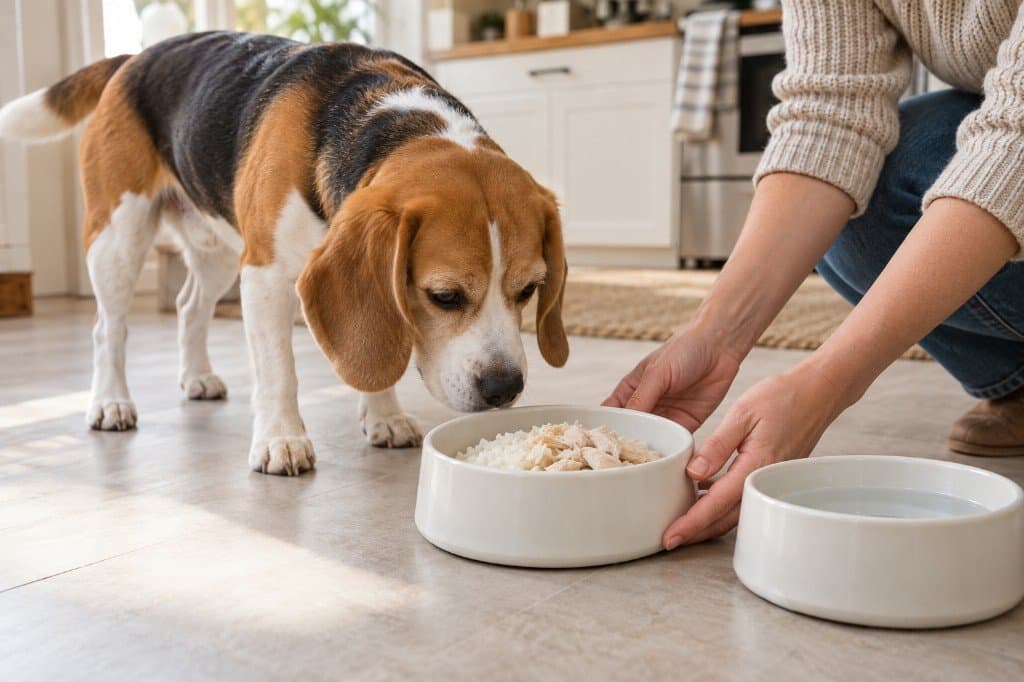
Loose stool in dogs is stressful, messy, and often uncomfortable for your pet, but mild cases can sometimes be supported at home with the right short-term diet. The goal is not to “stop” diarrhea instantly; it is to reduce gut irritation, prevent dehydration, and help stools gradually firm up while you watch for warning signs. This guide explains what to feed dogs with diarrhea, how much to offer, what to avoid, and when diet is not enough.
At BENO, we help pet brands develop supplements for everyday digestive support. This guide focuses on practical feeding decisions for dog owners, while our gut-health range offers brands options to explore alongside their wider pet nutrition portfolio.
What should you feed dogs with diarrhea?
For a generally healthy adult dog with mild diarrhea, the safest starting point is usually a plain, low-fat, easy-to-digest bland diet, such as boiled skinless chicken and cooked white rice. VCA notes that a bland diet may be appropriate at home when a pet is still in good spirits, is not vomiting, and has no blood in the diarrhea; Cornell also advises calling a veterinarian if loose stool lasts more than two days. (vcahospitals.com)
A bland diet works because it temporarily removes rich, fatty, highly seasoned, or unfamiliar ingredients that can keep irritating the digestive tract. White rice is commonly used because it is starchy and gentle, while lean boiled meat provides protein without the grease that can worsen loose stool. This is often the best food for dog with diarrhea when the episode is mild and short-lived, but it should be used as a temporary recovery diet rather than a long-term feeding plan.
A simple bland meal can look like this:
- Protein: boiled skinless chicken breast or thigh, lean ground turkey, or very lean ground beef, drained well.
- Carbohydrate: plain cooked white rice.
- Ratio: start around 1 part meat to 2 parts rice for a gentler meal, or use 1:1 if your veterinarian recommends a higher-protein mix.
- Preparation: boil in water only, chop finely, cool before serving, and avoid salt, butter, oil, garlic, onion, broth with additives, or seasoning.
- Serving style: feed small portions more often instead of one normal-sized meal.
Foods that can help firm stools
The best dog food for dogs with diarrhea is not always a specific brand. In many mild cases, it is a short-term feeding strategy: simple ingredients, low fat, small portions, and close monitoring. If your dog has recurring diarrhea, a puppy, a senior dog, or a known medical condition, ask your vet before changing the diet.
Plain chicken and white rice
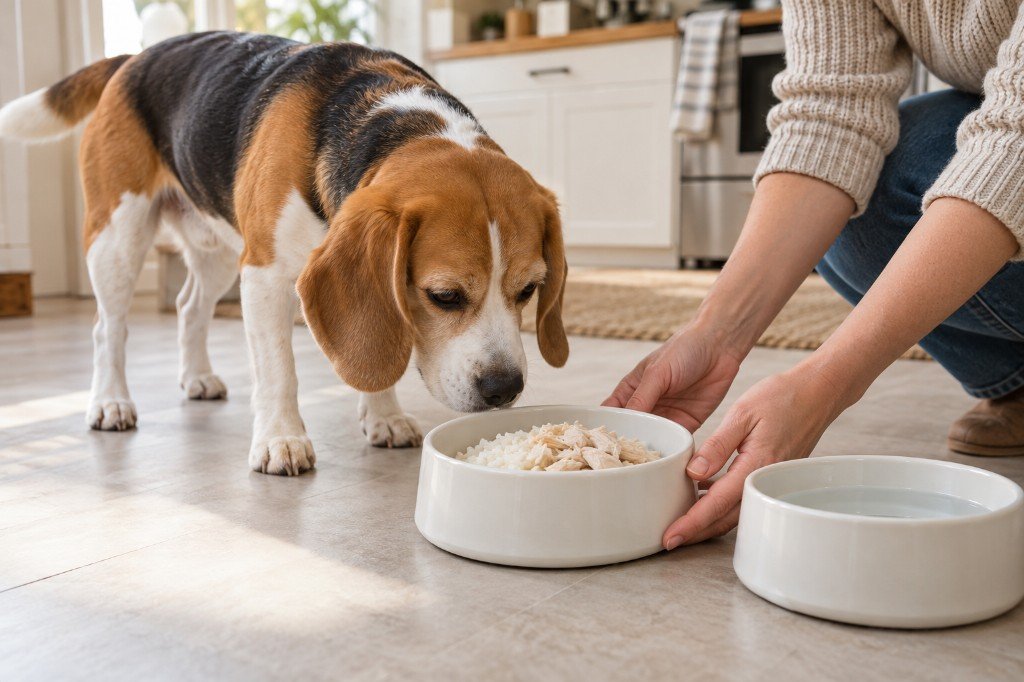
Boiled chicken and white rice are the classic dog food for loose stools because they are bland, familiar to many dogs, and easy to prepare. AKC notes that chicken and rice are common ingredients in dog foods and are often used for upset stomachs, while its rice guidance explains that white rice is commonly used in bland diets after gastrointestinal upset. (akc.org)
Use skinless chicken and remove visible fat. If your dog may be sensitive to chicken, choose a different lean protein your dog has tolerated before, such as turkey. Do not pan-fry the meat or add gravy, because extra fat can trigger more digestive upset.
Lean turkey or beef with rice
Lean ground turkey or very lean ground beef can also work as foods to help dogs with diarrhea, especially if chicken has caused itching, vomiting, or past digestive trouble. Boil the meat, break it into small pieces, and drain it thoroughly. The finished meal should look plain and slightly boring; that is the point.
If using beef, choose the leanest option available and rinse or drain after cooking. Rich meat, leftover steak, bacon, sausage, or fatty trimmings are not substitutes. Dogs with pancreatitis history or fat-sensitive stomachs need veterinary direction before using beef or any higher-fat food.
Veterinary gastrointestinal diets
For chronic, severe, or recurrent diarrhea, the best dog food for dogs with diarrhea may be a veterinary gastrointestinal diet rather than a home-cooked meal. Examples include Hill’s Prescription Diet i/d, Royal Canin Gastrointestinal Low Fat, and Purina Pro Plan Veterinary Diets EN Gastroenteric formulas. Royal Canin and Purina describe their gastrointestinal veterinary diets as formulated for digestive support or gastroenteric needs, and these diets are typically chosen with a veterinarian’s guidance. (royalcanin.com)
These diets can be useful when a dog needs a complete food for longer than a few days. Home-cooked bland meals are not balanced for long-term nutrition, so they are best treated as a short bridge while the gut settles or while you wait for veterinary advice. If your dog repeatedly improves on bland food but relapses on regular kibble, that pattern is a reason to schedule an exam.
Probiotics and hydration support
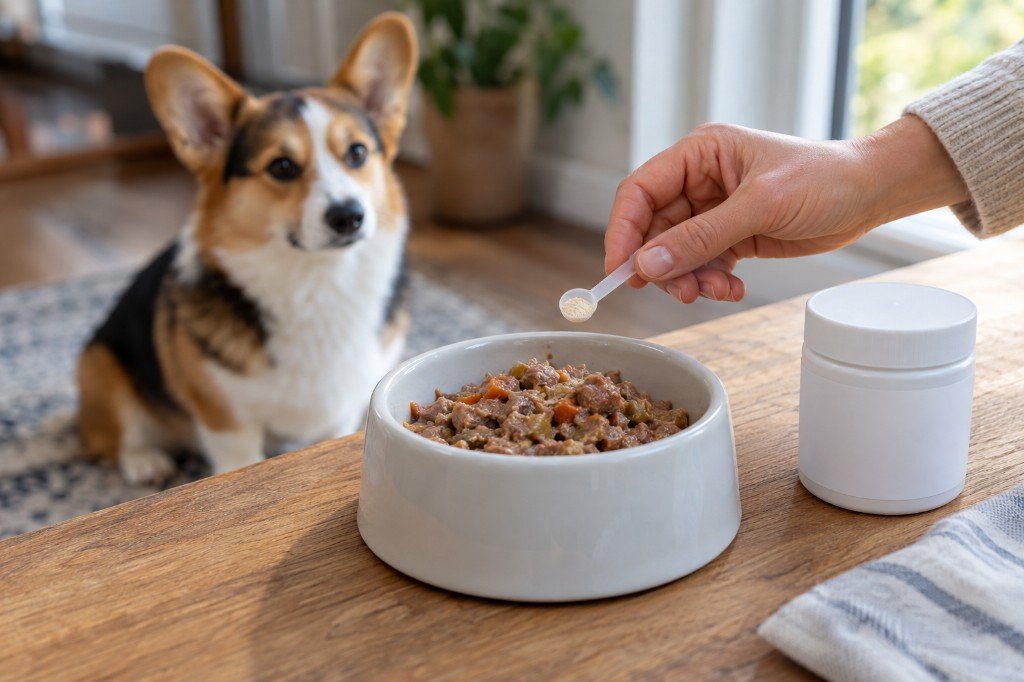
Probiotics may help restore a healthier balance of gut bacteria after diarrhea, especially when a dog has had stress, a sudden diet change, or medication-related stomach upset. VCA notes that veterinarians may prescribe medications or supplements such as probiotics for diarrhea, but the right product and dose depend on the dog and the cause. (vcahospitals.com)
For brands looking to offer probiotic support, BENO manufactures soft chews, powders, and liquid drops. Our team can discuss formula specifications, palatability, serving size, and packaging. During diarrhea, owners should ask their veterinarian which supplement and format are appropriate before adding anything to a temporary recovery diet.
Hydration matters as much as food. Keep clean water available at all times, and contact your vet if your dog cannot keep water down, seems weak, or shows signs of dehydration. Merck’s veterinary guidance on vomiting notes that water should not be withheld unless the dog is receiving supplemental fluids, and VCA explains that dogs with gastroenteritis may need oral, subcutaneous, or IV fluids depending on dehydration severity. (merckvetmanual.com)
A gentle feeding plan for the first few days
The right diet for dog with diarrhea is as much about timing and portion size as ingredients. A full bowl can overwhelm an irritated gut, even if the food itself is bland. Start smaller than you think, then increase only if your dog keeps food down and stools begin to improve.
Some veterinarians may recommend a brief food rest for healthy adult dogs, but fasting is not appropriate for every dog. Puppies, toy breeds, seniors, underweight dogs, diabetic dogs, and dogs with chronic illness can be more vulnerable to blood sugar drops or complications, so call your veterinarian before withholding food. Small-breed puppies are particularly prone to hypoglycemia because young animals have limited energy stores during fasting or stress. (metro-vet.com)
A practical starting plan:
| Dog size | First bland meal | Daily pattern if tolerated |
|---|---|---|
| 10 lb dog | About 1 tablespoon | 4–6 tiny meals |
| 30 lb dog | About 3 tablespoons | 4–6 small meals |
| 60 lb dog | About 6 tablespoons | 4–6 small meals |
This “tablespoon per 10 pounds” starting point is commonly used by veterinary clinics for mild diarrhea feeding plans, along with small, frequent meals. (scottsdaleveterinaryclinic.com) If your dog vomits, refuses food, becomes lethargic, or has worsening diarrhea, stop home feeding experiments and call your veterinarian.
Which foods should you avoid while stools are loose?
Avoid fatty, seasoned, high-fiber, sugary, or unfamiliar foods while your dog has diarrhea. That means no table scraps, cheese, milk, bacon, oils, rich treats, spicy food, bones, raw diets, or sudden “healthy” add-ins. The best dog food for diarrhea recovery is intentionally simple until stools normalize.
Be careful with pumpkin. Pumpkin can be helpful for some dogs because it contains fiber, and AKC discusses pumpkin as a common stomach-support food; however, adding fiber too early or adding too much can backfire in some dogs. (akc.org) If your dog is producing watery stool, start with a low-fat bland diet first unless your vet specifically recommends pumpkin. Once stools are improving, a small amount of plain pumpkin puree may be reasonable for some dogs, but avoid pumpkin pie filling, sweetened products, and large servings.
Also pause commercial treats, dental chews, flavored medications if alternatives exist, and “just a bite” of human food. These extras make it harder to know whether the bland diet is working. They can also trigger a relapse right when stools are starting to firm.
Transitioning back to regular food
Once stool is formed or clearly improving, do not jump straight from bland food to a normal bowl of kibble. A sudden switch can restart diarrhea, especially if your dog’s gut is still inflamed. Gradual transitions are widely recommended in bland diet instructions, with regular food slowly increased while the bland portion decreases over several days. (asah.net)
A simple 5–7 day transition can look like this:
- Days 1–2: 75% bland diet, 25% regular food.
- Days 3–4: 50% bland diet, 50% regular food.
- Days 5–6: 25% bland diet, 75% regular food.
- Day 7: regular food only, if stool remains normal.
If stool loosens again, go back to the last tolerated mix and call your vet if the pattern repeats. Recurrent diarrhea may point to parasites, food intolerance, inflammatory bowel disease, pancreatitis, medication side effects, infections, or other conditions that need diagnosis. VCA lists causes ranging from food allergies and infections to inflammatory bowel disease, organ dysfunction, cancer, and systemic illnesses. (vcahospitals.com)
When should diarrhea mean a vet visit?
Call a veterinarian promptly if diarrhea is bloody, black, very watery, severe, or paired with vomiting, lethargy, abdominal pain, bloating, fever, weakness, pale gums, or refusal to drink. You should also call sooner for puppies, senior dogs, small breeds, pregnant dogs, dogs with chronic disease, or any dog whose diarrhea lasts longer than about two days. Cornell specifically advises contacting a vet when loose stool lasts more than two days and notes that vomiting with diarrhea increases dehydration risk. (vet.cornell.edu)
Bring a fresh stool sample if your vet asks for one. That can help with testing for parasites, infection, blood, or other clues. Diet can soothe mild digestive upset, but it cannot treat every cause of diarrhea, and waiting too long can allow dehydration or an underlying illness to worsen.
The practical takeaway
When deciding what to feed dogs with diarrhea, think plain, low-fat, short-term, and small. Boiled lean meat with white rice is often the most practical dog food for diarrhea at home, while veterinary gastrointestinal diets may be a better choice for ongoing or complicated cases. Add water access, consider vet-approved probiotics, skip treats and fatty foods, and transition back to regular meals slowly.
Most importantly, watch the whole dog, not just the stool. A bright, drinking adult dog with mild loose stool is very different from a vomiting puppy, a weak senior dog, or a dog passing blood. When in doubt, call your veterinarian; the right food can help recovery, but the right diagnosis keeps your dog safe.
Create your gut-health product line with BENO
Building a pet digestive-support range? BENO offers existing private label formulas and OEM/ODM development, with options for ingredient combinations, flavour, and branded packaging. Contact our team with your target market, preferred dosage form, and order volume to discuss specifications and sampling.
参考資料
よくあるご質問
- What should you feed dogs with diarrhea?
- For a generally healthy adult dog with mild diarrhea, the safest starting point is usually a plain, low-fat, easy-to-digest bland diet, such as boiled skinless chicken and cooked white rice. VCA notes that a bland diet may be appropriate at home when a pet is still in good spirits, is not vomiting, and has no blood in the diarrhea; Cornell also advises calling a veterinarian if loose stool lasts more than two days.
- Which foods should you avoid while stools are loose?
- Avoid fatty, seasoned, high-fiber, sugary, or unfamiliar foods while your dog has diarrhea. That means no table scraps, cheese, milk, bacon, oils, rich treats, spicy food, bones, raw diets, or sudden “healthy” add-ins. The best dog food for diarrhea recovery is intentionally simple until stools normalize.
- When should diarrhea mean a vet visit?
- Call a veterinarian promptly if diarrhea is bloody, black, very watery, severe, or paired with vomiting, lethargy, abdominal pain, bloating, fever, weakness, pale gums, or refusal to drink. You should also call sooner for puppies, senior dogs, small breeds, pregnant dogs, dogs with chronic disease, or any dog whose diarrhea lasts longer than about two days.
- How do you transition back to regular food?
- Once stool is formed or clearly improving, do not jump straight from bland food to a normal bowl of kibble. A sudden switch can restart diarrhea, especially if your dog’s gut is still inflamed. Gradual transitions are widely recommended in bland diet instructions, with regular food slowly increased while the bland portion decreases over several days.
- Can probiotics help after a bout of diarrhea?
- Probiotics may help restore a healthier balance of gut bacteria after diarrhea, especially when a dog has had stress, a sudden diet change, or medication-related stomach upset. VCA notes that veterinarians may prescribe medications or supplements such as probiotics for diarrhea, but the right product and dose depend on the dog and the cause.
- Is chicken and rice enough for ongoing diarrhea?
- For chronic, severe, or recurrent diarrhea, the best dog food for dogs with diarrhea may be a veterinary gastrointestinal diet rather than a home-cooked meal. Examples include Hill’s Prescription Diet i/d, Royal Canin Gastrointestinal Low Fat, and Purina Pro Plan Veterinary Diets EN Gastroenteric formulas.
Stock formulas this guide maps to
These SKUs are already in production. Open a spec page or send the names in your inquiry.
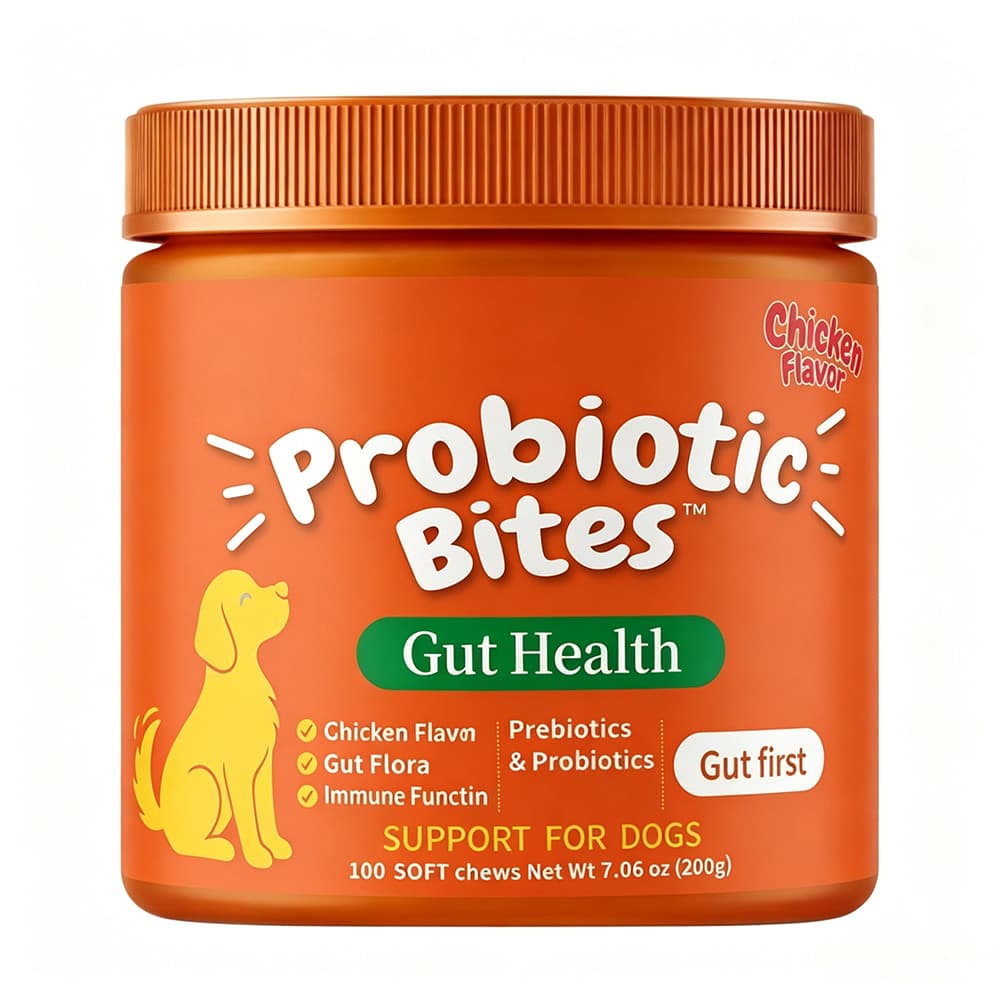 ソフトチュアブル在庫あり
犬猫兼用 · 腸内ケア
プロバイオティクス 腸内ケアソフトチュアブル
犬猫どちらのラインにも展開しやすい毎日の消化ケアです。
- 参考価格
- US$3.60 1 個あたり、パッケージ別
- 最低ロット
- 3,000 個
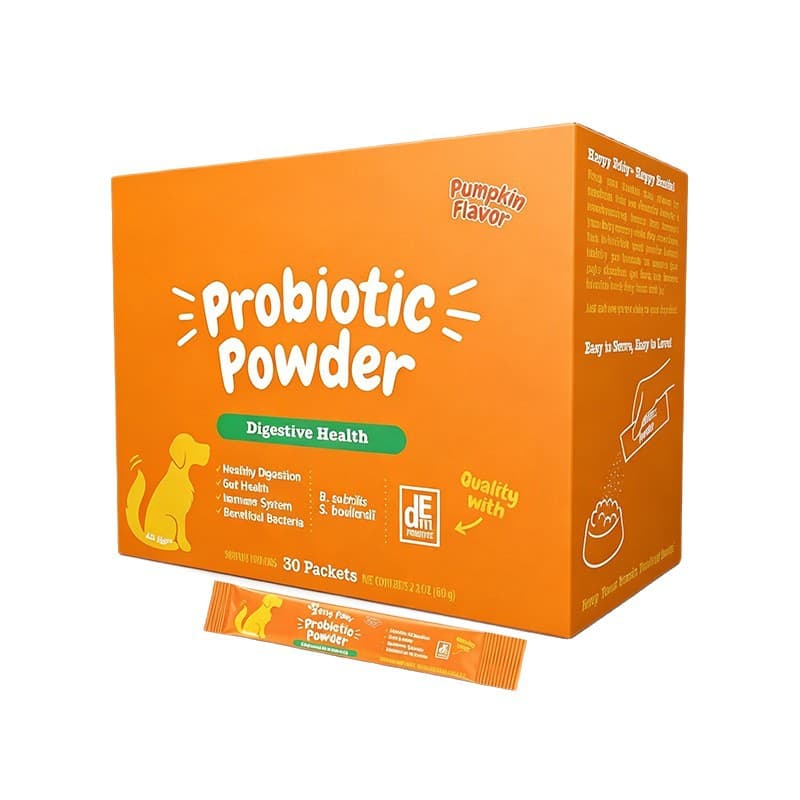 粉末
粉末犬猫兼用 · 腸内ケア
ペット用 プロバイオティクスパウダー
そのまま棚に並べられる犬猫兼用の消化ケアパウダーです。
- 参考価格
- US$7.16 1 個あたり、パッケージ別
- 最低ロット
- 3,000 個
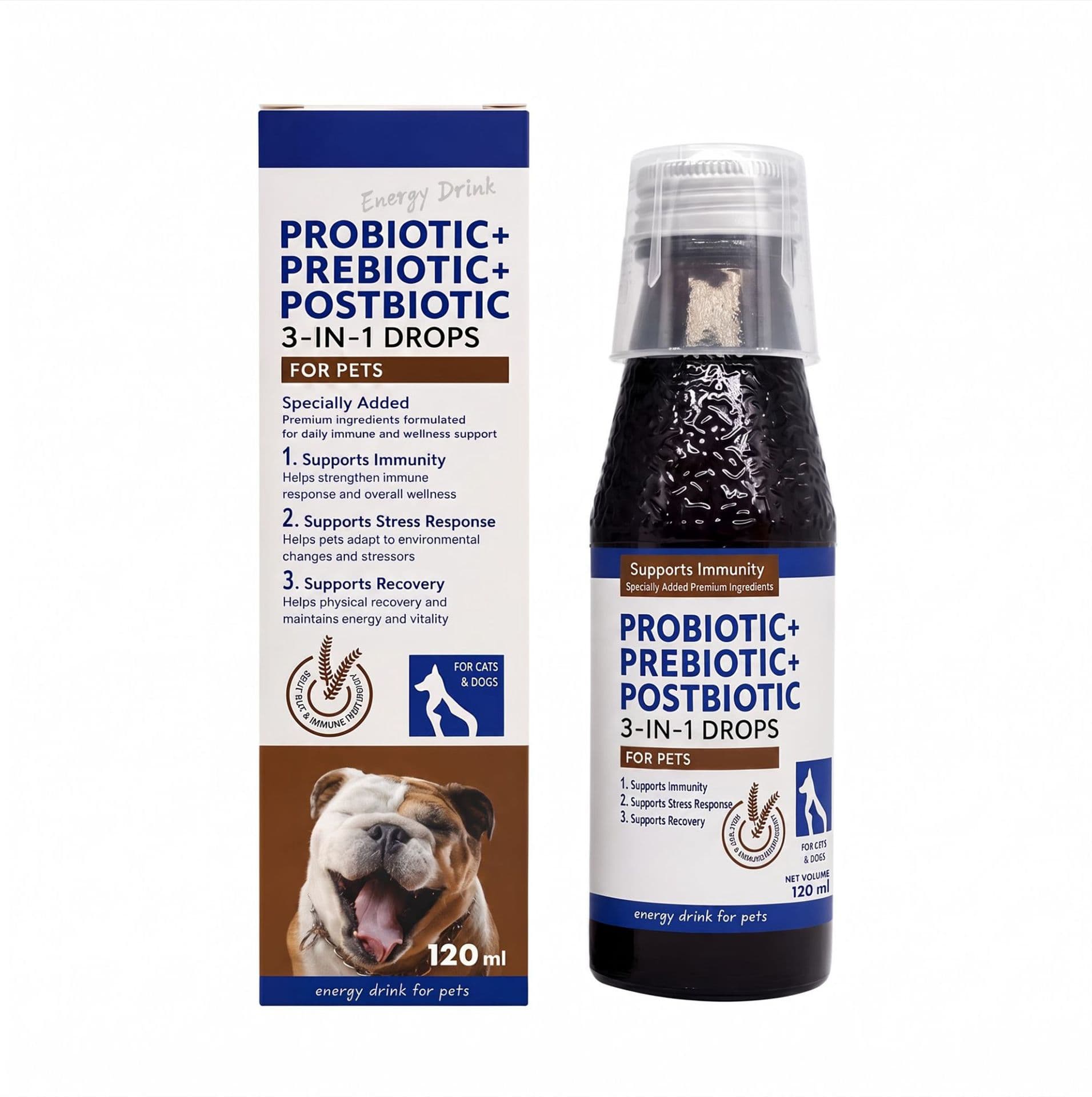 液体ドロップ
犬用 · 腸内ケア
犬用 プロバイオティクス ドロップ
粉末やチュアブルを嫌がる犬向けの液体プロバイオティクスです。
- 参考価格
- US$6.39 1 個あたり、パッケージ別
- 最低ロット
- 3,000 個
製品化を検討しませんか
ブリーフをお送りください。OEM/ODM チームが進め方、MOQ、サンプル手順をご案内します。