
Dog Supplement Categories for New Brands
Respuesta rápida
Benefits of dog supplements for health come from filling a gap the bowl does not: skin and coat oils, joint stacks, live gut cultures, or a canine multivitamin on a limited diet. They support; they do not replace food or a vet. Pick one job, a dog-specific panel, and a dose by weight.
Por Beno · Revisado por Prof. Wang Kai, Technical Advisor
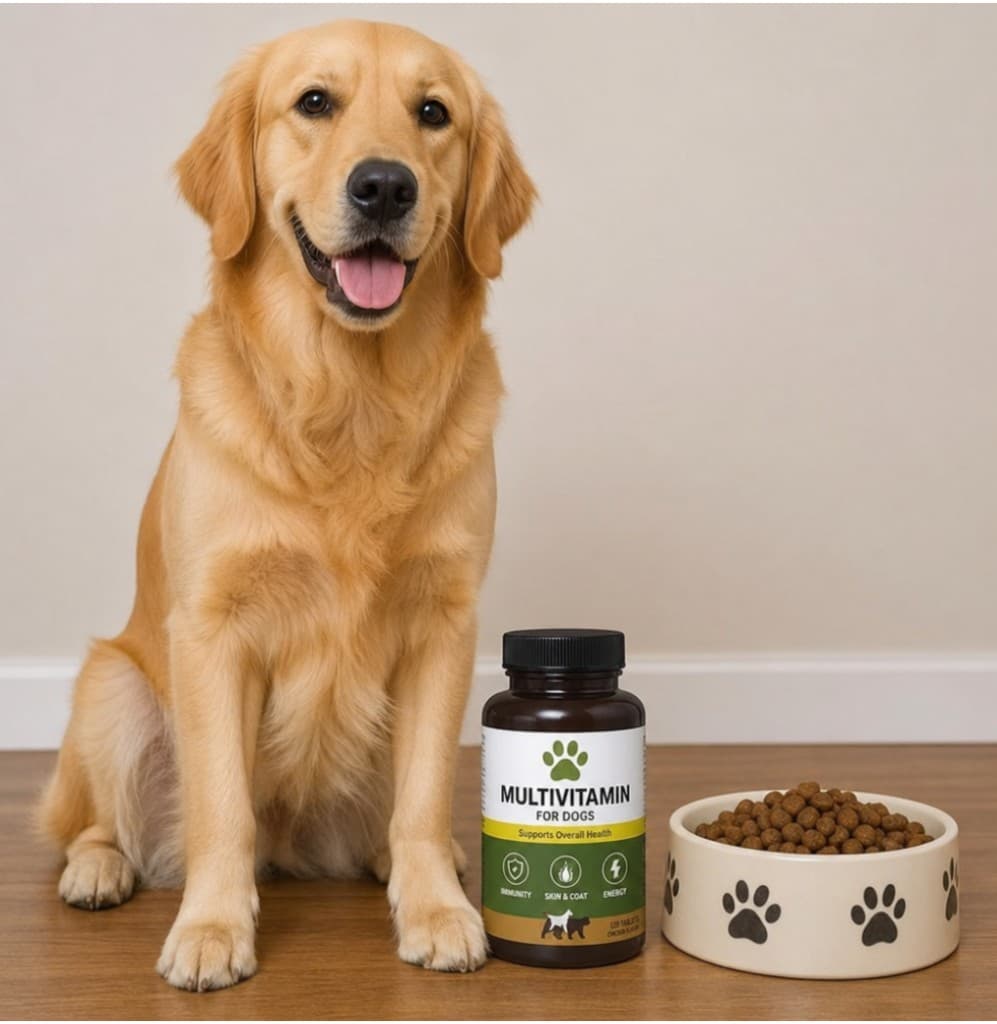
Benefits of dog supplements for health show up when a formula fills a gap the bowl does not: a limited diet, a senior joint, a coat that went dull after winter, a gut that unravels on boarding weekends. They are not a second dinner and they are not a vet. A complete food, parasite control, and a clinic visit for anything new or painful still come first.
Dog supplement categories for new brands
A first range is usually one daily chew, one joint SKU, and one coat or gut SKU — not twelve listings. Map the owner job (skin, joints, digestion, daily vitamin) to a format the dog will finish, then brief pet supplement OEM and ODM product lines or the wholesale pet supplements catalog. MOQ on stock chews is 500 units.
Used that way, dog health supplements can support skin, coat, digestion, joints, immune tone, and everyday vitality. The useful ones have a job, a species on the panel, and a dose by weight. The rest is marketing.
What can dog supplements actually do for your pet?
They add nutrients or functional ingredients that are awkward to hit with kibble alone. Canine vitamins help when the diet is narrow. Omega oils help a coat that looks tired. Fibre and live cultures help stool hold a shape. Glucosamine stacks are for dogs whose walks have shortened.
Think of them as support tools. Itchy skin, heavy shedding, or loose stools can mean a supplement is worth trying. They can also mean fleas, a food trial, an infection, or something that needs a microscope. New, persistent, painful, or getting worse: call the clinic before you open a third bottle.
Results usually come from the boring stack: balanced food, exercise, preventive care, and watching what actually changed after you started the product.
Everyday wellness starts with nutritional consistency
A complete and balanced diet is the base. Extra support makes sense at life stages and during specific stretches: puppies, working dogs, seniors, picky eaters, sensitive stomachs, dogs coming off a stressful week.
Pick one purpose. A daily multivitamin for a dog on a limited menu. A probiotic for stool and gut balance. A joint chew for an older dog. Dog supplements for skin when the coat is dry, dull, or reactive in pollen season.
Common jobs:
- Coat comfort with omega fatty acids and skin nutrients
- Digestive balance with probiotics, prebiotics, fibre, or enzymes
- Joint mobility with glucosamine or chondroitin
- Immune tone with vitamins, minerals, and antioxidants
- Stool quality, which is also how anal glands empty on a walk
"Support" is the honest word. None of this replaces a stable routine.
Skin and coat support is one of the biggest reasons owners look for supplements
Most people start here: itch, flakes, a dull coat, or more hair on the sofa than last month. Skin is a barrier that needs fat, amino acids, vitamins, and minerals. When that barrier is thin, dogs scratch, lick, chew, or look brittle.
Skin and coat chews and fish oil usually carry omega-3, omega-6, biotin, zinc, and vitamin E. Those nutrients may help the skin hold moisture. They do not diagnose or treat allergy. Chronic itch, recurring ears, and chewed paws still need a vet plan. For the factory version of the omega split, see skin and coat OEM.
Choosing the best supplements for dog skin allergies
The best supplements for dog skin allergies are the ones that support the barrier and sit beside the clinic's plan, not instead of it. Omega-3 is the usual coat support. Probiotics come in when gut and immune tone are part of the picture. Some formulas pair fatty acids with vitamins and antioxidants. An allergy and immune chew is a separate SKU from a salmon-oil coat chew; do not expect one piece to do both jobs at a useful dose.
Match the product to the signs. Seasonal itch, paw licking, ear smell, red skin, hair loss, and hot spots have different causes. Intense discomfort may need testing, a diet trial, parasite control, medicated washes, or a prescription. A supplement is a line in that plan.
Can supplements help with shedding?
Supplements for dog shedding can help when the hair loss tracks dry skin, a poor coat, or a thin diet. They will not stop a normal seasonal blow. Some breeds shed. That is hair renewal, not a deficiency.
If shedding jumps, look at the coat. Patches? More scratching? Flakes, redness, smell, sores? Sudden or uneven loss is a clinic visit. Allergies, mites, infection, hormones, and stress all shed hair.
For routine coat season:
- Brush with a tool that matches the coat, more often when the undercoat is moving
- Feed enough protein and fat
- Add a skin-focused formula if the coat is dry: omega fatty acids, biotin, vitamin E
- Do not over-bathe; harsh shampoo strips the barrier
- Keep flea and mite prevention current
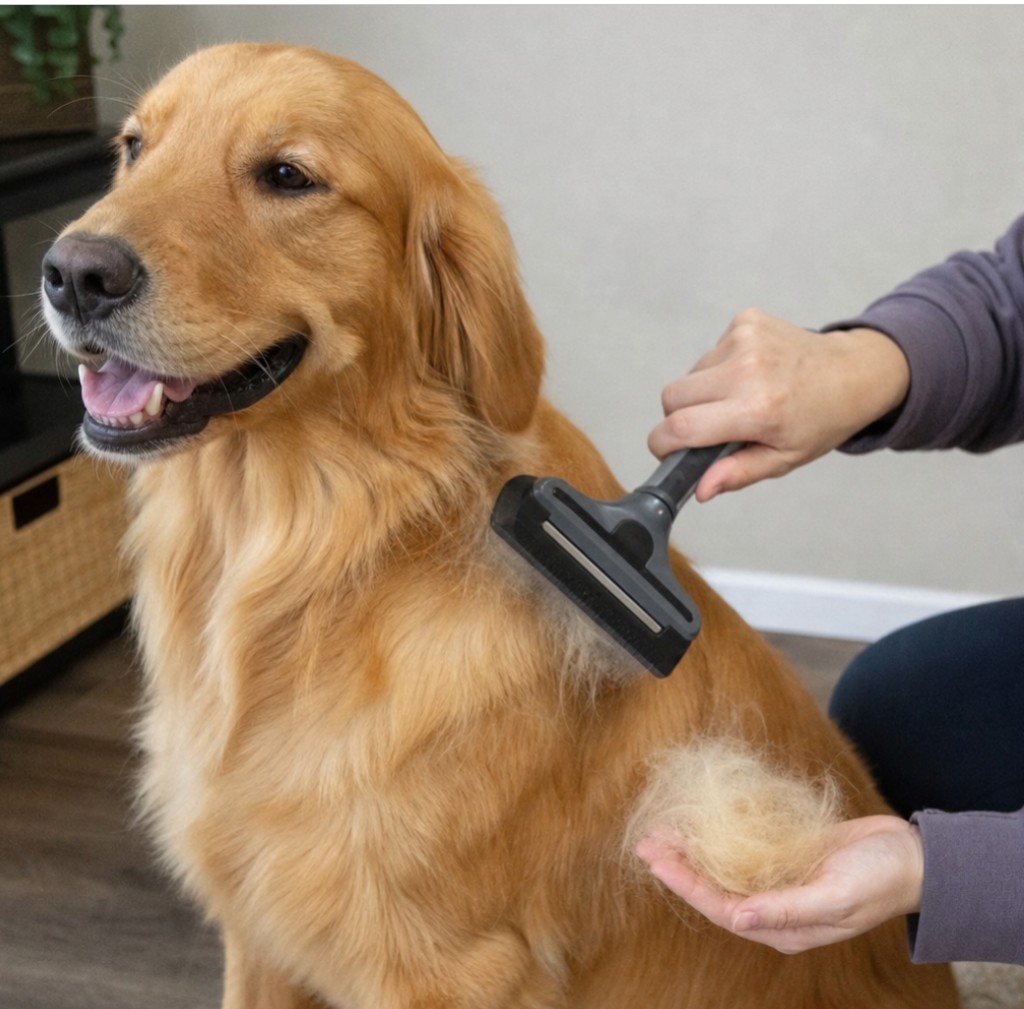
A bottle is one part of that list.
Digestive health affects more than the stomach
The gut decides how much of the food you paid for actually lands, what the stool looks like, and a large share of immune tone. Gas, loose stools, constipation, grass eating, a quiet appetite, and anal-gland scooting often travel together.
Persistent digestive signs still belong at the clinic. For everyday support, probiotic chews and powder add live cultures. Prebiotics feed those cultures. Fibre firms or loosens stool depending on the source and the dose. Enzymes show up in some sensitive-stomach formulas.
Add one product at a time. Follow the label. Watch stool, appetite, energy. Switching three bottles in a week tells you nothing. The longer explainer is benefits of probiotics for your dog.
Anal gland comfort may improve with better stool quality
Dog anal gland supplements are usually fibre products: pumpkin, psyllium, or similar plant fibre, sometimes with probiotics. Firm, formed stools help the glands empty on a normal walk. That is the mechanism. There is no magic "anal gland vitamin."
Scooting, licking under the tail, a fishy smell, swelling, or repeated expression at the clinic are the usual signs. Soft stool is a reason to try fibre. Pain, blood, an abscess, or glands that will not empty are not a supplement problem.
Look for a dose by weight and a claim that talks about stool, not about curing glands. Check food, treats, water, and walks. Beno does not stock a dedicated anal-gland SKU. Stool-quality work lives in the digestive line: pumpkin and fibre in the probiotic chew, or a custom fibre brief if you are building a brand.
Vitamins and minerals can fill gaps, but more is not always better
Canine vitamins are sold for energy, immunity, coat, and "overall wellness." They help dogs on homemade or restricted diets (with a vet in the loop), poor appetites, and some life-stage gaps. Extra A, D, or certain minerals are not a kindness. Upper limits exist for a reason.
A human multivitamin is the wrong bottle. Doses and some ingredients do not map onto a dog. Use a canine panel, follow the weight table, and do not stack three products that all contain the same fat-soluble vitamins.
A clean split:
- A general 10-in-1 multivitamin chew when the diet has identified gaps
- Skin nutrients when the complaint is dryness or seasonal itch
- Joint nutrients for older dogs or heavy breeds. See dog joint chews
- Digestive support when stools are the issue
- Vet-guided nutrition for homemade or elimination diets
If the cabinet is getting crowded, it is time to subtract.
How do you choose safe, useful dog supplements?
Start with the actual complaint. Check that the product is for dogs, for that size, and for that diet. Skip labels that promise a cure or try to fix skin, joints, calm, and immunity in one chew. A short ingredient list you can explain is easier to judge after four weeks than a kitchen-sink blend.
Checklist:
- Name the job: itch, shedding, stool, joints, or a vitamin gap
- Read actives, carriers, flavour, and anything your dog already reacts to
- Confirm the dose is by bodyweight
- Pick a format you will actually give: chew, powder, liquid, capsule. Soft chews vs powders vs drops is the factory version of that choice
- Do not stack two products that duplicate the same vitamins
- Write down itch, coat, stool, energy, appetite
- Ask the vet for puppies, seniors, pregnant dogs, dogs on drugs, and anyone with a chronic diagnosis
If you fight the dog every morning to get the piece down, the formula on the panel does not matter.
US animal products that claim to treat or prevent disease are a drug conversation at FDA's Center for Veterinary Medicine. Daily support wording is the legal lane. AAFCO model labelling is what many US states still use for treat-like packs.
Brand owners writing a first range can start from the shop catalogue and the inquiry form.
Results take patience and observation
Hair and skin turn over slowly. Coat formulas often need weeks, not a weekend. Digestive products can move stool in days, but food, treats, stress, and the weather still show up in the bowl.
Keep a short log: what you started, the dose, stools, itch, appetite, any diet or grooming change. That is how you tell the supplement from the new food.
Stop and call the clinic if you get vomiting, diarrhea, worse itch, no appetite, or a dog that suddenly sleeps all day. "Natural" still disagrees with some guts.
A balanced approach gives supplements their best chance to work
Benefits of dog supplements for health are real when the product matches the dog and the rest of the routine is already in place: complete food, vet care, walks, grooming, water, parasite prevention. Then add targeted support.
Whether you are comparing supplements for dog shedding, dog supplements for skin, dog anal gland supplements, or canine vitamins, the test is the same. Is the dog more comfortable, and can you see why? If you are building that line rather than buying one tub, put species, market, and the job on the brief.
Fuentes
Preguntas frecuentes
- What can dog supplements actually do?
- They can fill nutrient gaps and support skin, coat, joints, digestion, and everyday vitality. They do not replace a complete diet or treat disease. New, painful, or worsening signs belong at the clinic first.
- Can supplements help with dog shedding?
- They may help when shedding tracks dry skin or a thin diet. They will not stop a normal seasonal coat. Sudden patches, sores, or a spike in scratching need a vet, not another bottle.
- What are the best supplements for dog skin allergies?
- Omega-3 barrier support and, when the gut is involved, a probiotic. They sit beside the vet's allergy plan. An allergy chew and a coat chew are two SKUs; one overloaded piece is usually a decorative dose.
- Do dogs need a multivitamin?
- Not if they eat a complete food and look well. Canine vitamins help on limited, homemade, or poor-appetite diets. Do not use a human multivitamin, and do not stack several products that share the same fat-soluble vitamins.
- Can supplements help with anal glands?
- Fibre that firms stool can help glands empty on a walk. Pain, blood, or an abscess is a vet visit. There is no honest 'anal gland cure' on a label.
- How long until dog supplements work?
- Digestive products can change stool in days. Coat and skin often take weeks because hair turns over slowly. Keep a short log so you can tell the product from a diet or season change.
Stock formulas this guide maps to
These SKUs are already in production. Open a spec page or send the names in your inquiry.
 Snacks blandosEn stock
Perros · Rutina diaria
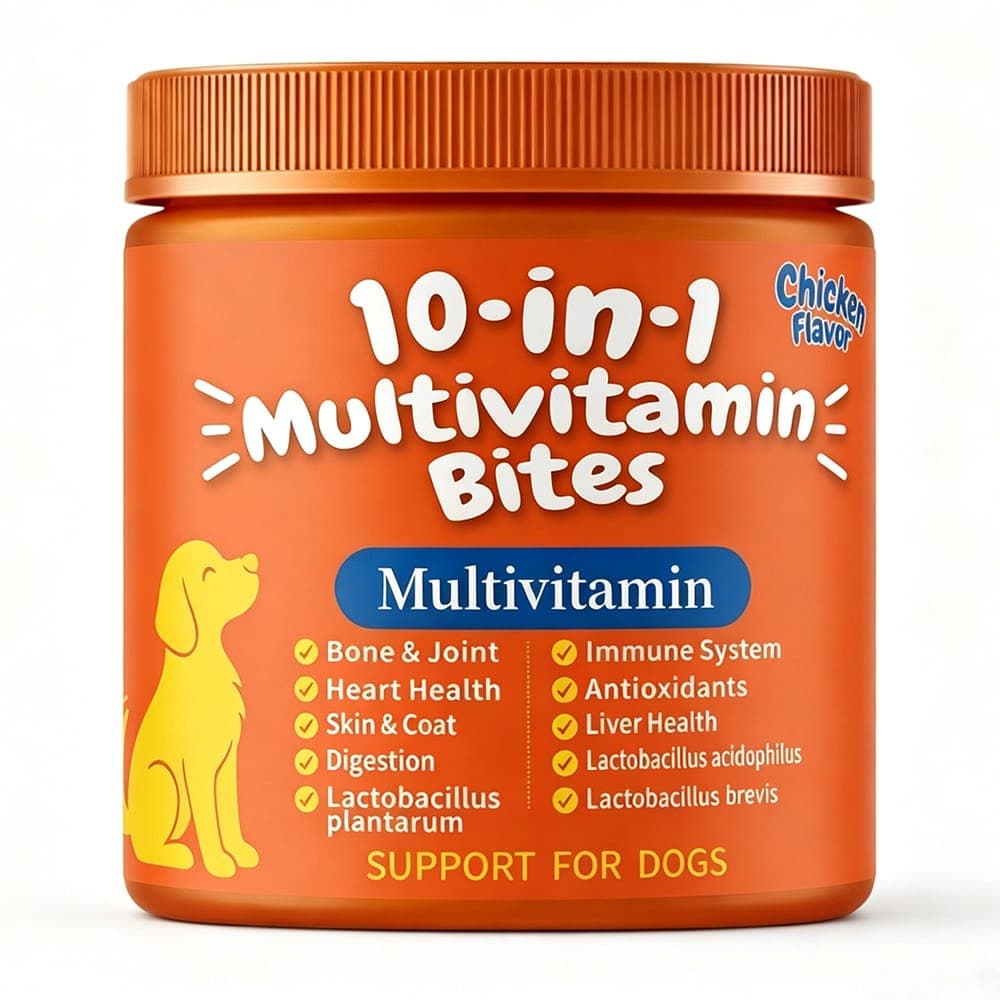
Snacks blandos multivitamínicos 10 en 1
Bienestar diario completo para líneas de suplementos de gran consumo.
- Precio de referencia
- US$3.09 por unidad, sin packaging
- MOQ inicial
- 500 unidades
 Snacks blandosEn stock
Perros y gatos · Piel y pelaje
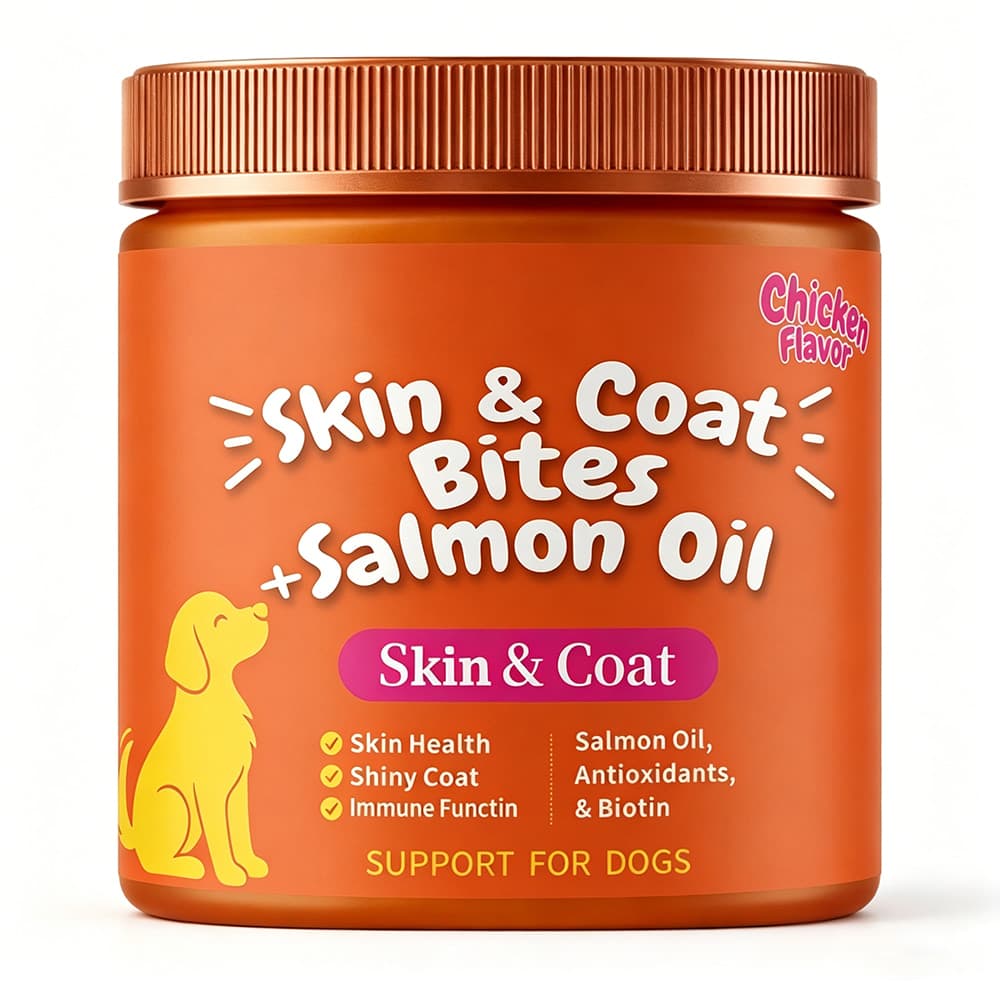
Snacks blandos para piel y pelaje con aceite de salmón
Snack blando de cuidado del pelaje para gamas de belleza y bienestar.
- Precio de referencia
- US$2.89 por unidad, sin packaging
- MOQ inicial
- 500 unidades
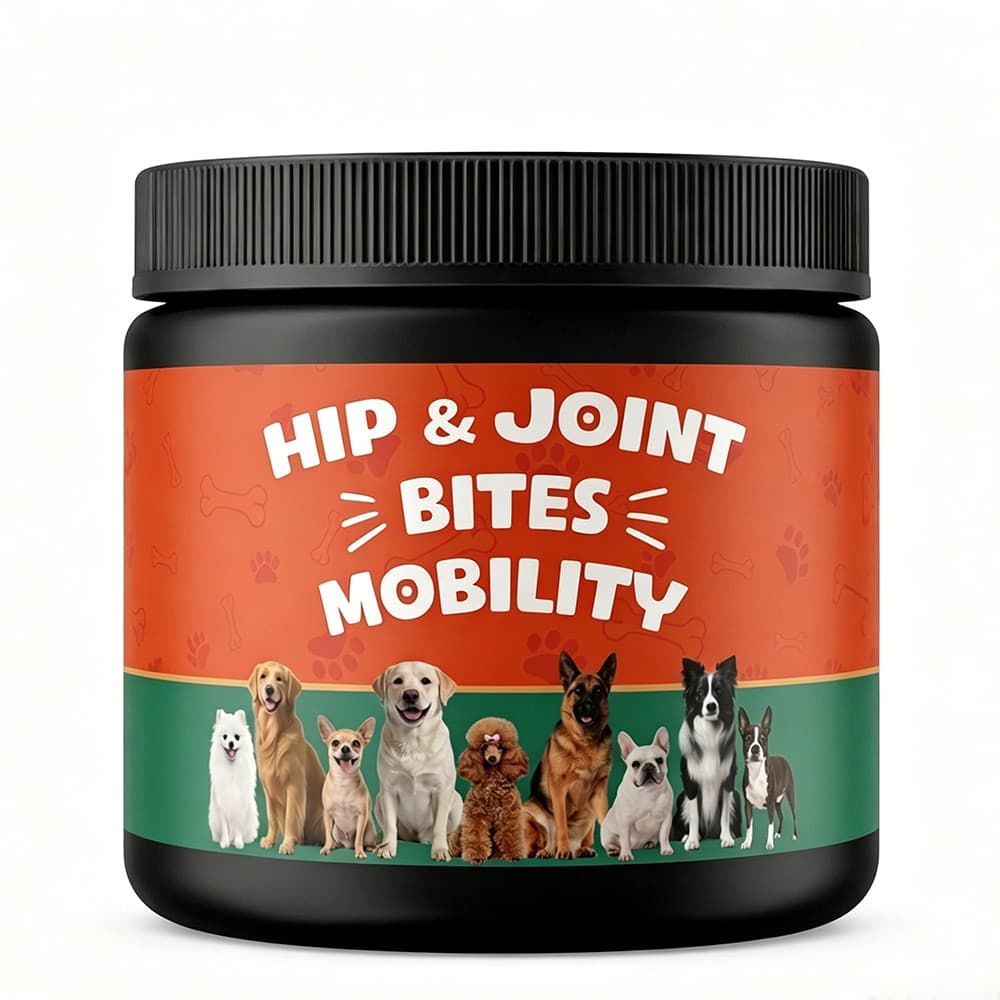 Snacks blandosEn stock
Perros · Cadera y articulaciones
Snacks blandos para caderas y articulaciones
Apoyo articular en snack blando para perros adultos y sénior.
- Precio de referencia
- US$4.09 por unidad, sin packaging
- MOQ inicial
- 500 unidades
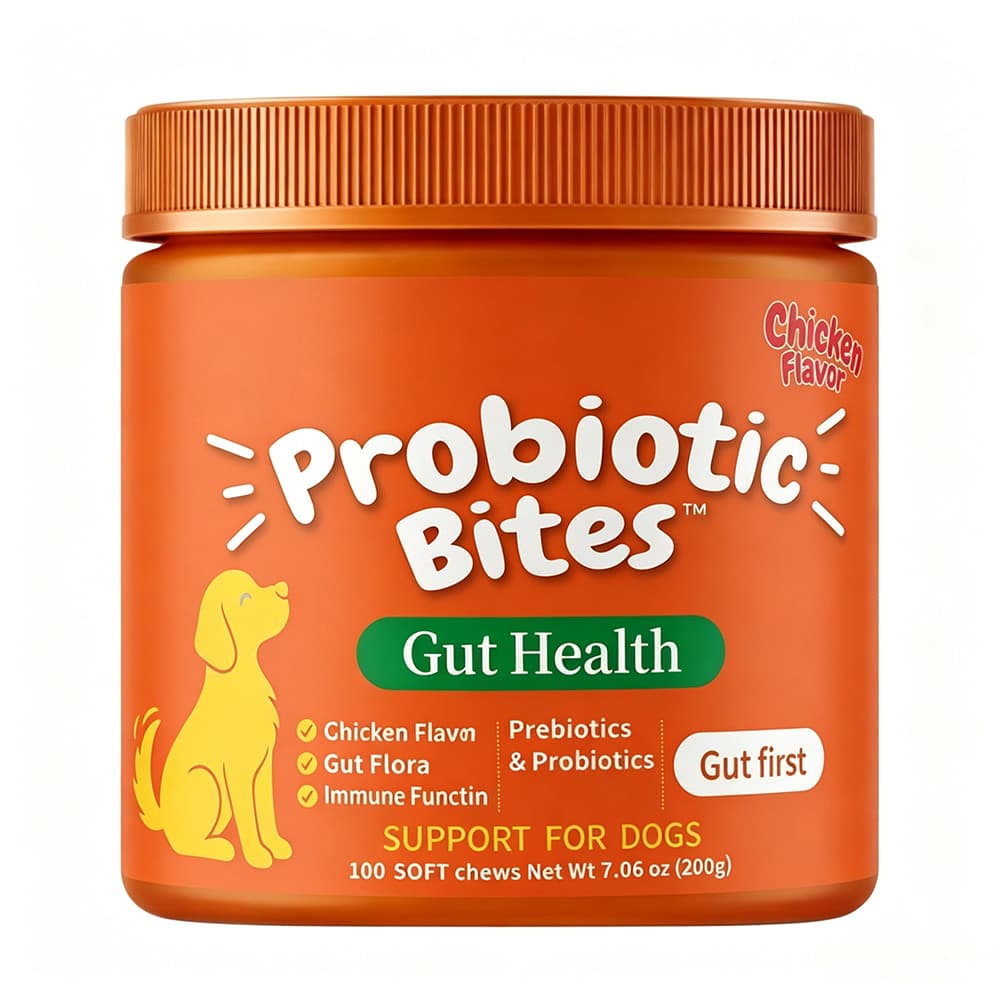 Snacks blandosEn stock
Perros y gatos · Salud intestinal
Snacks blandos probióticos para la salud intestinal
Apoyo digestivo diario en un formato de snack fácil de posicionar.
- Precio de referencia
- US$2.40 por unidad, sin packaging
- MOQ inicial
- 3,000 unidades
Conviértalo en un producto
Envíenos un briefing y nuestro equipo OEM/ODM confirmará la vía, el MOQ y el proceso de muestras.