
Pet Supplement Packaging Guide: Jars vs Pouches for Soft Chews and Powders
クイックアンサー
The best pet supplement packaging depends on the form, serving routine, and sales channel. Jars usually feel sturdy and easy to scoop from. Pouches are lighter and more efficient to ship. For soft chews and powders, match the container to texture, serving size, moisture sensitivity, and how pet owners will handle it at home.
執筆 Li Wang, General Manager · 監修 Jing Xing, Operations Director
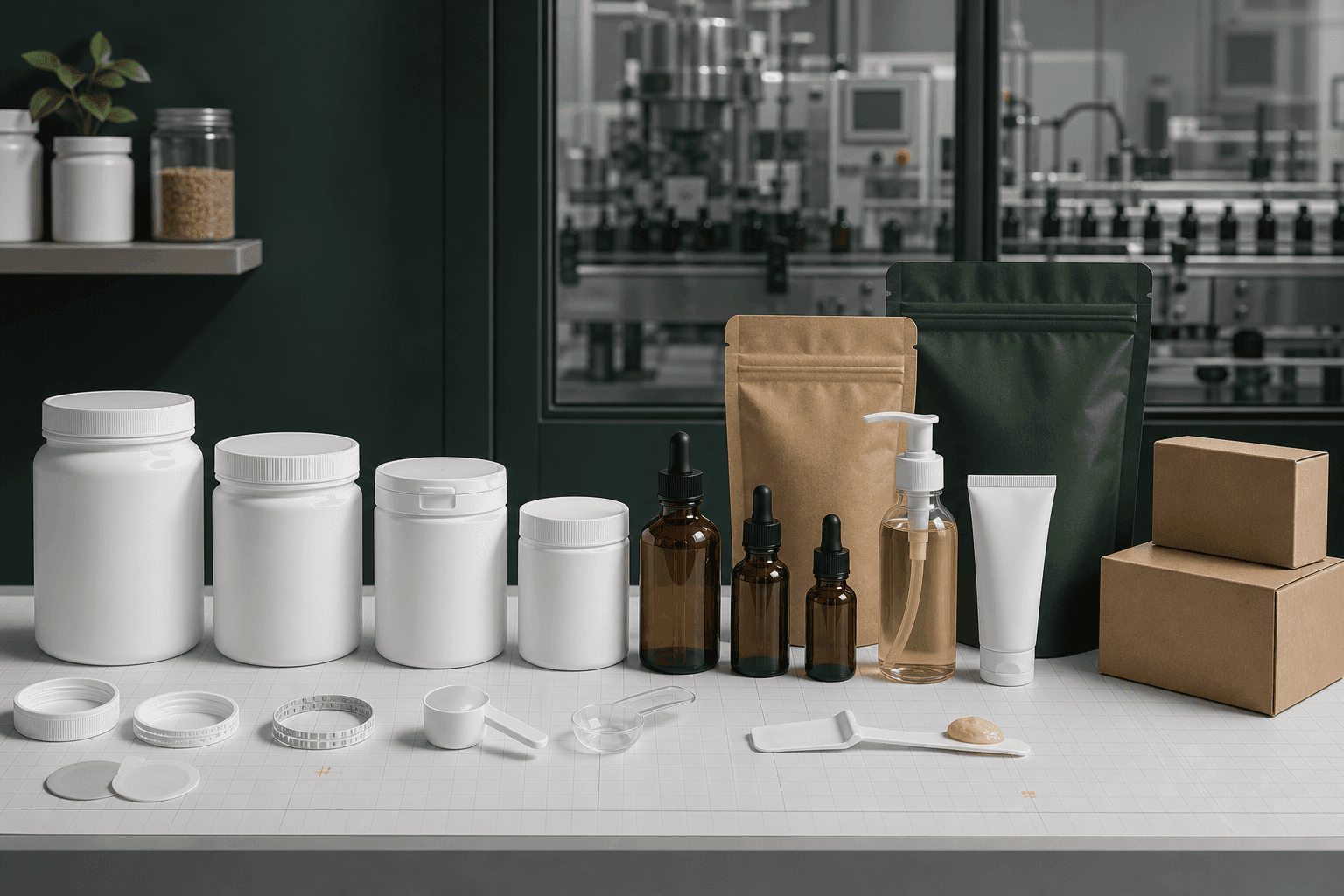
Choosing between jars and pouches shapes how customers see, store, and use pet supplements every day. For soft chews and powders, the right format affects freshness, dosage convenience, shelf presence, shipping efficiency, and brand trust.
Think of this as a practical Pet Supplement Packaging Guide: Jars vs Pouches for Soft Chews and Powders for brands planning retail, ecommerce, or wholesale pet supplement packaging.
I run the fill line at Shenzhen Enbeichong. We weigh finished pieces into jars or pouches in a pressure-monitored cleanroom. Stock chews leave as 100 pieces in a 200 g jar unless the brief names another pack.
For dosage form before the pack, see soft chews vs powder vs drops.
Which package format fits your pet supplement best?
The best format depends on the supplement form, usage routine, sales channel, and customer expectations. Jars usually feel sturdy, familiar, and easy to scoop from, while pouches are lightweight, flexible, and efficient to ship. Neither is automatically better. Strong packaging for supplements starts by matching the container to the product's texture, serving size, moisture sensitivity, and how pet owners will handle it at home.
For soft chews, jars can create a treat-like experience and help prevent crushing when the product is delicate. A wide opening makes it simple for pet owners to grab one chew at a time, which supports daily use and reduces frustration. Pouches can also work well for chews, especially when the chews are firm enough to withstand flexible packaging and the brand wants a lighter footprint.
For powders, jars offer easy access for scoops and can sit neatly on a counter or shelf. Pouches can be excellent for refill concepts, ecommerce shipping, and larger-format products where reducing weight matters. The key is to consider the entire customer journey, from opening the package to measuring the supplement on a busy morning.
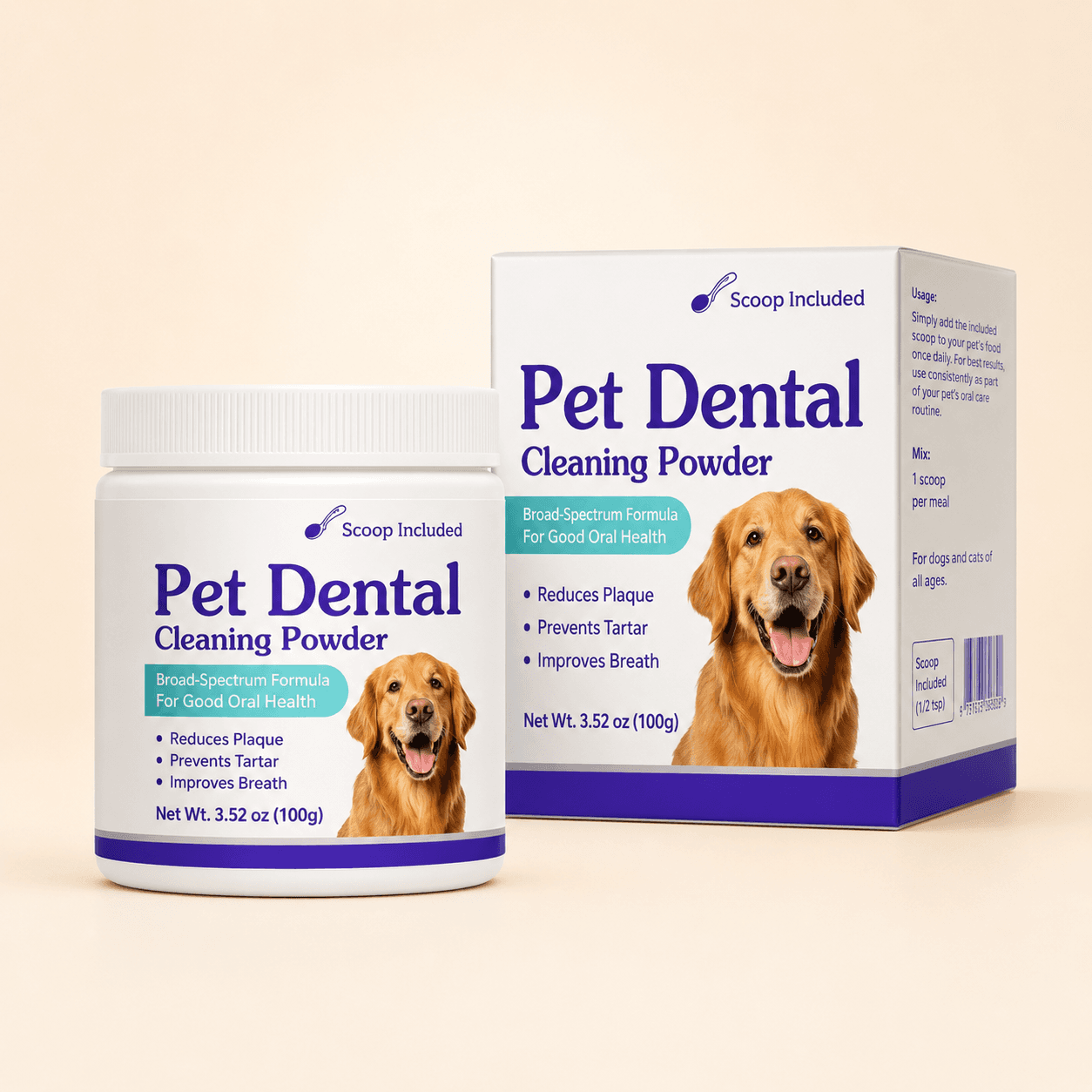
On our line, dental powder lives in a small tub because the scoop has to be accurate. Probiotic powder can be a tub or a sachet course. We do not move either into a zipper bag until the opening can take a clean scoop.
Why do jars create structure, visibility, and everyday convenience?
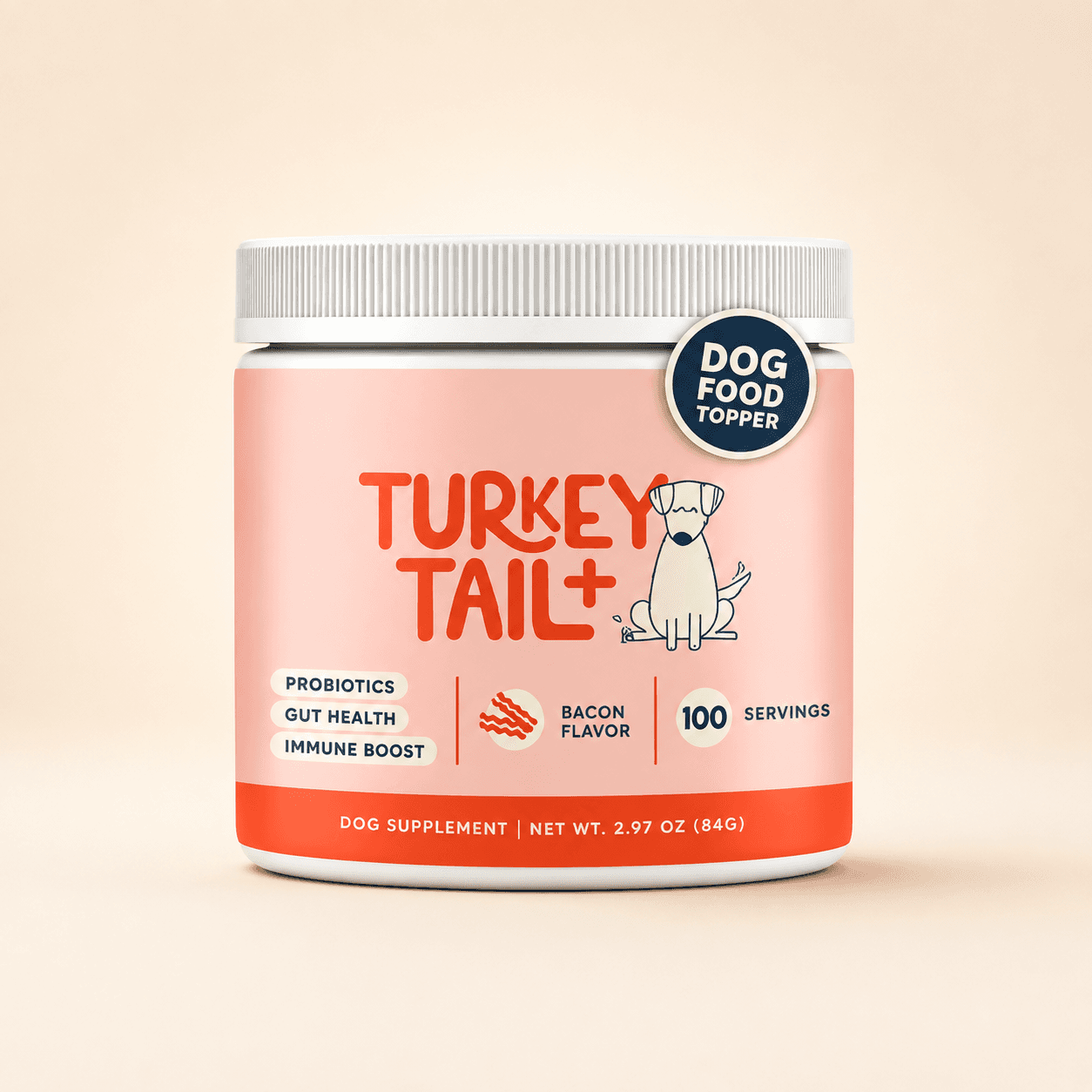
Jars are a classic choice in pet product packaging because they feel substantial and protective. They stand upright, present well on shelves, and give customers a clear place to return the product after each use. For pet health packaging, that sense of order matters because supplements are often part of a daily wellness routine.
A jar can also support strong supplement packaging design. The label has a stable surface for dosage directions, benefit statements, flavor cues, ingredient callouts, and compliance language where applicable. Because the package shape is familiar, shoppers can quickly understand what the product is and how it fits into their pet care routine.
Most of our chew SKUs, including 10-in-1 chews, ship in a tub first. The nine fill-line steps show where piece weight, hardness, and moisture sit before that fill.
Jars are especially useful when:
- The product includes a scoop that needs to stay inside the container.
- Soft chews are delicate, sticky, or prone to deformation.
- The brand wants a premium, cabinet-friendly presentation.
- The serving directions require clear visibility and repeated reference.
- Retail display stability is important.
The tradeoff is that jars can take up more space in storage and shipping. They may also use more rigid material than a flexible pouch. For brands focused on sustainable pet packaging, this does not rule jars out, but it does make material selection, right-sizing, and recyclability considerations more important. Do not buy a 400 g jar for a 200 g load.
When do pouches bring flexibility, efficiency, and modern shelf appeal?
Pouches have become popular across supplement packaging because they are lightweight, adaptable, and visually modern. They can reduce shipping volume compared with rigid containers and may work well for subscription models, refill packs, and ecommerce-first pet brands. Their flexible structure also gives brands room to create bold front-panel graphics that stand out in crowded categories.
For soft chews, pouches can be convenient when the closure is reliable and the product is not easily crushed. A resealable zipper can make daily access simple, while the flexible pack can fit into smaller storage spaces. For powders, pouches can be efficient for larger quantities, but the opening and gusset design must support clean scooping and reduce mess.
A pouch is a shipping option, not a style upgrade. We specify a pouch for online sales, a refill for an existing jar, or a lighter outbound carton. The chew must already pass hardness, and the powder must already scoop through the opening we will cut.
Pouches are especially useful when:
- Shipping weight and storage efficiency are major priorities.
- The product will be sold online or through subscriptions.
- The brand wants a refill option for an existing jar.
- The supplement is stable enough for flexible packaging.
- The design strategy calls for a contemporary, lightweight look.
The main challenge is usability. A pouch that tips over, fails to reseal cleanly, or makes scooping difficult can hurt repeat use, even if it looks attractive. Good packaging for supplements should make the healthy habit easier, not add friction. A zipper that clogs with powder hurts the customer experience. So will a zipper that will not align, or one that opens after three weeks of use.
Do not pick a pouch because a competitor's listing looks modern. Pick it because the piece, the film, and the zipper pass a drop test in the same mailer you will ship.
How should packaging protect freshness and daily use?
Pet supplement packaging must protect the product while making daily serving simple and consistent. Soft chews may need protection from air, moisture, sticking, and crushing, while powders may need a closure that limits clumping and keeps the scoop accessible. A package that preserves product quality but frustrates customers at every serving is only solving half the problem.
Treat the pack as a system. Lid, liner, inner seal, headspace, desiccant, scoop, and carton belong in one file. Change one part and reopen line fit. OEM cost notes treat the pack as its own line item.
For jars, consider how the lid, liner, inner seal, and headspace work together. The package should close securely after repeated use, especially if the product contains aromas that attract pets. A wide-mouth jar can help with access, but it should still feel controlled and tidy when customers reach inside.
For pouches, the closure system deserves extra attention. A zipper that is hard to align, clogged by powder, or weak after repeated openings can quickly undermine the customer experience. If the product is a powder, the opening should be wide enough for a scoop but not so wide that the pouch loses structure when handled.
A simple protection checklist includes:
- Moisture control: Choose materials and closures that suit the supplement's sensitivity.
- Product integrity: Avoid formats that crush, deform, or compact the product during transit.
- Reseal performance: Make sure the package closes securely after repeated use.
- Serving access: Confirm that hands, scoops, or measuring tools fit comfortably.
- Storage behavior: Consider how the package sits in cabinets, drawers, travel bags, or retail displays.
- Label durability: Use print and label materials that hold up to handling in real homes.
These details may seem small, but they shape customer trust. Pet owners want to feel confident that what they bought remains fresh, clean, and easy to give to their dog or cat.

Which design choices build trust on the shelf?
Supplement packaging design has to balance emotion and clarity. Pet owners may be drawn in by friendly visuals, but they still need quick answers: what the product is, who it is for, how to use it, and why it belongs in their routine. The best design makes the product feel approachable without making vague or exaggerated promises.
Strong front-panel design usually includes a clear product name, supplement form, pet type, flavor if relevant, and a concise benefit category. For example, a soft chew might focus on mobility, digestion, skin and coat, calming, or general wellness. A powder might highlight mixability, daily support, or ease of adding to meals, without overstating results.
Back and side panels should do the heavier educational work. This is where dosage directions, ingredient information, cautions, storage guidance, and brand details can be organized for easy reading. On jars, this information may wrap around the container. On pouches, it must remain legible even when the pack flexes, creases, or stands on a shelf.
Good pet health packaging should also feel consistent across a product line. If a brand sells multiple formulas, color coding and icon systems can help customers find the right product quickly. Consistency is especially valuable in wholesale pet supplement packaging, where retailers need products that are easy to stock, explain, and merchandise.
A marketing strategy that only prints a bigger dog photo will not save a wrinkled bag. Brand identity lives in color, icons, and a stable layout across the range. Wholesale buyers also need a barcode that scans on a round tub and on a flat pouch. Clean serving after shipping is what will build trust.
How does sustainable pet packaging start with practical decisions?
Sustainable pet packaging is not just about choosing a material that sounds eco-friendly. It is about reducing waste where possible, avoiding oversized formats, designing for efficient shipping, and making disposal or recycling instructions as clear as the packaging system allows. A lighter pouch may reduce shipping impact, while a durable jar may support reuse or a refill strategy.
Brands should start by asking what the package needs to do, then look for the lowest-waste way to do it well. A pouch that fails to protect the product can create waste through returns or spoilage. A jar that is much larger than needed can waste material and shelf space. Sustainability works best when it supports performance rather than competing with it.
Practical ways to improve sustainability include:
- Right-size the package for the fill amount and serving count.
- Consider refill pouches for customers who already have a jar.
- Avoid unnecessary secondary packaging when it does not add protection.
- Use clear disposal guidance where space and material rules allow.
- Choose durable labels and inks that do not compromise readability.
- Review shipping efficiency for ecommerce and wholesale cartons.
The most credible approach is specific and transparent. Instead of relying on broad green language, explain the packaging choice in simple terms when it matters to the customer. Target markets differ on what they will recycle. Say what the pack is made of.
How can wholesale and ecommerce needs change the decision?
A product that looks perfect in a single retail display may behave differently in a warehouse, mailer, or multi-unit wholesale carton. For wholesale pet supplement packaging, stackability, barcode placement, case packing, shelf stability, and damage resistance all matter. Retailers want packaging that arrives clean, scans easily, displays well, and does not create unnecessary stocking problems.
Ecommerce brings a different set of pressures. Packages may be handled many times before reaching the customer, and the unboxing experience becomes part of the brand impression. Jars may need protective packing to avoid dents or cracked lids, while pouches may need enough structure to prevent crushed chews, powder leaks, or wrinkled presentation.
Amazon inbound has its own carton rules. If that is the channel, read the FBA private label notes before you freeze jar diameter.
Before committing to jars or pouches, brands should test real-world conditions:
- Pack samples in the same cartons or mailers planned for launch.
- Open and close the package repeatedly to simulate daily use.
- Test scooping, pouring, and grabbing with realistic serving tools.
- Review label readability under retail and home lighting.
- Check how the package looks after shipping, shelving, and handling.
- Ask whether the format still supports the product's price position and brand promise.
This testing helps avoid expensive redesigns later. It also keeps the focus where it belongs: on the pet owner's experience and the product's ability to stay usable from first serving to last.
How should you choose jars vs pouches?
If you are choosing between jars and pouches, start with the product form, then layer in brand, channel, and sustainability goals. Soft chews that need structure, premium shelf presence, or easy hand access often lean toward jars. Powders that need scooping may also benefit from jars, although pouches can work when the opening, gusset, and closure are designed carefully.
Pouches become more compelling when shipping efficiency, refill systems, flexible storage, or modern design are priorities. They can also help brands create a lighter, more compact customer experience. The decision should not come down to trend alone; it should reflect how the supplement will be bought, opened, stored, and used.
Use this quick guide:
- Choose jars when structure, scoop access, shelf stability, and a sturdy feel are top priorities.
- Choose pouches when lightweight shipping, refill potential, flexible storage, and bold graphics matter most.
- Consider both when launching a starter jar with refill pouches or offering different sizes for different channels.
- Revisit the decision when moving from direct-to-consumer sales into retail or wholesale distribution.
Great pet product packaging does more than hold a formula. It protects the supplement, explains the product clearly, supports the daily routine, and reinforces trust every time a pet owner reaches for it. Whether jars or pouches are the better fit, the smartest choice is the one that keeps soft chews or powders fresh, easy to use, efficient to ship, and aligned with the brand's promise.
Name pack type, net weight, and channel in the first OEM brief. Send those same facts on the inquiry form. We will not guess the container from a product photo.
参考資料
よくあるご質問
- Which package format fits your pet supplement best?
- The best format depends on the supplement form, usage routine, sales channel, and customer expectations. Jars usually feel sturdy and easy to scoop from. Pouches are lightweight and efficient to ship. Match the container to texture, serving size, moisture sensitivity, and how pet owners will handle it at home.
- When should a pet supplement go in a jar instead of a pouch?
- Use a jar when the chew is delicate or sticky, when a scoop must stay in the pack, or when the shelf must hold a round tub. Stock chews at Beno fill as 100 pieces in a 200 g jar unless the brief names another pack.
- When do pouches work better than jars?
- Pouches work when you will sell online, run a refill for an existing jar, or need a lighter outbound carton. The chew must pass hardness. The powder must scoop through the opening. The zipper must survive daily use.
- How should packaging protect freshness and daily use?
- Protect soft chews from air, moisture, sticking, and crushing. Protect powders from clumping and keep the scoop accessible. Confirm moisture control, product integrity, reseal performance, serving access, storage behavior, and label durability before artwork.
- Does a lighter pouch always mean more sustainable pet packaging?
- No. A bag that splits in a mailer creates returns. An oversized tub wastes material and shelf space. Right-size the container to the fill, then add a refill pouch only after the jar already works at home.
Stock formulas this guide maps to
These SKUs are already in production. Open a spec page or send the names in your inquiry.
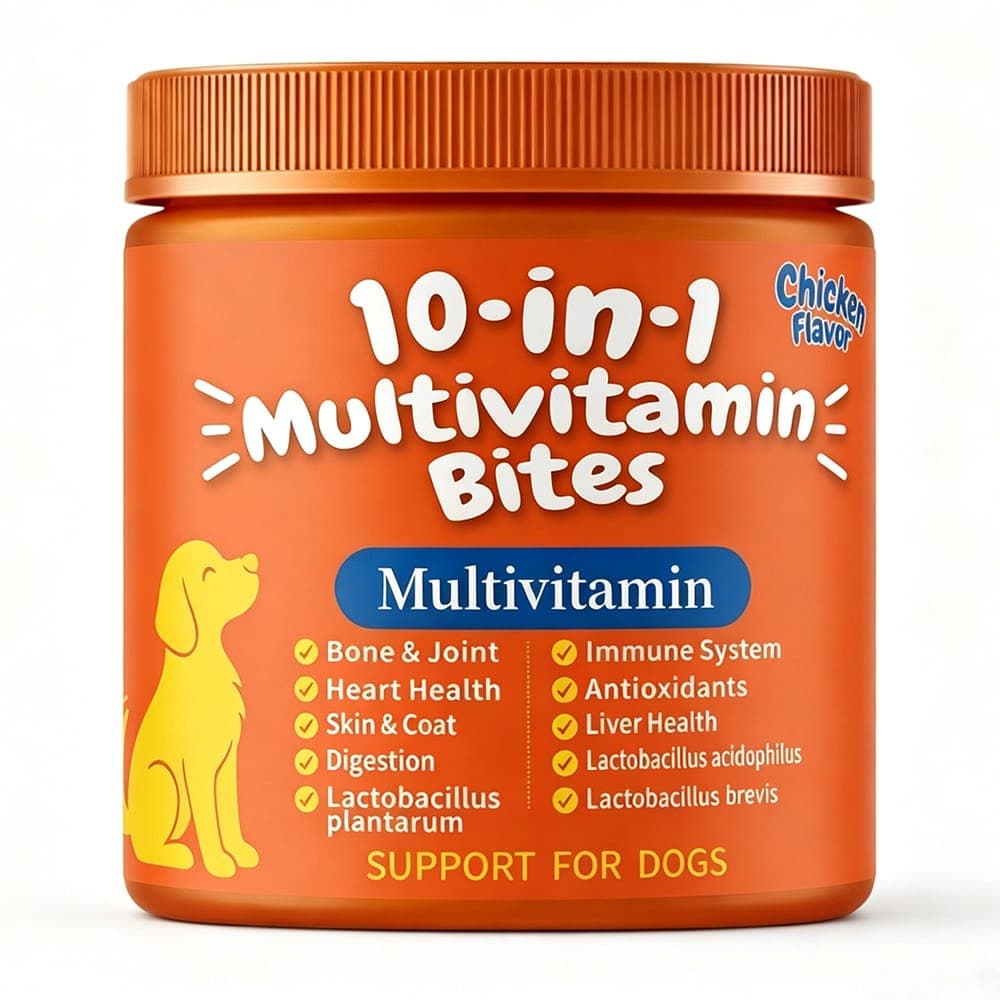 ソフトチュアブル在庫あり
犬用 · デイリーケア
10-in-1 マルチビタミン ソフトチュアブル
主力サプリメントライン向けの総合的なデイリーウェルネスです。
- 参考価格
- US$3.09 1 個あたり、パッケージ別
- 最低ロット
- 500 個
 粉末
粉末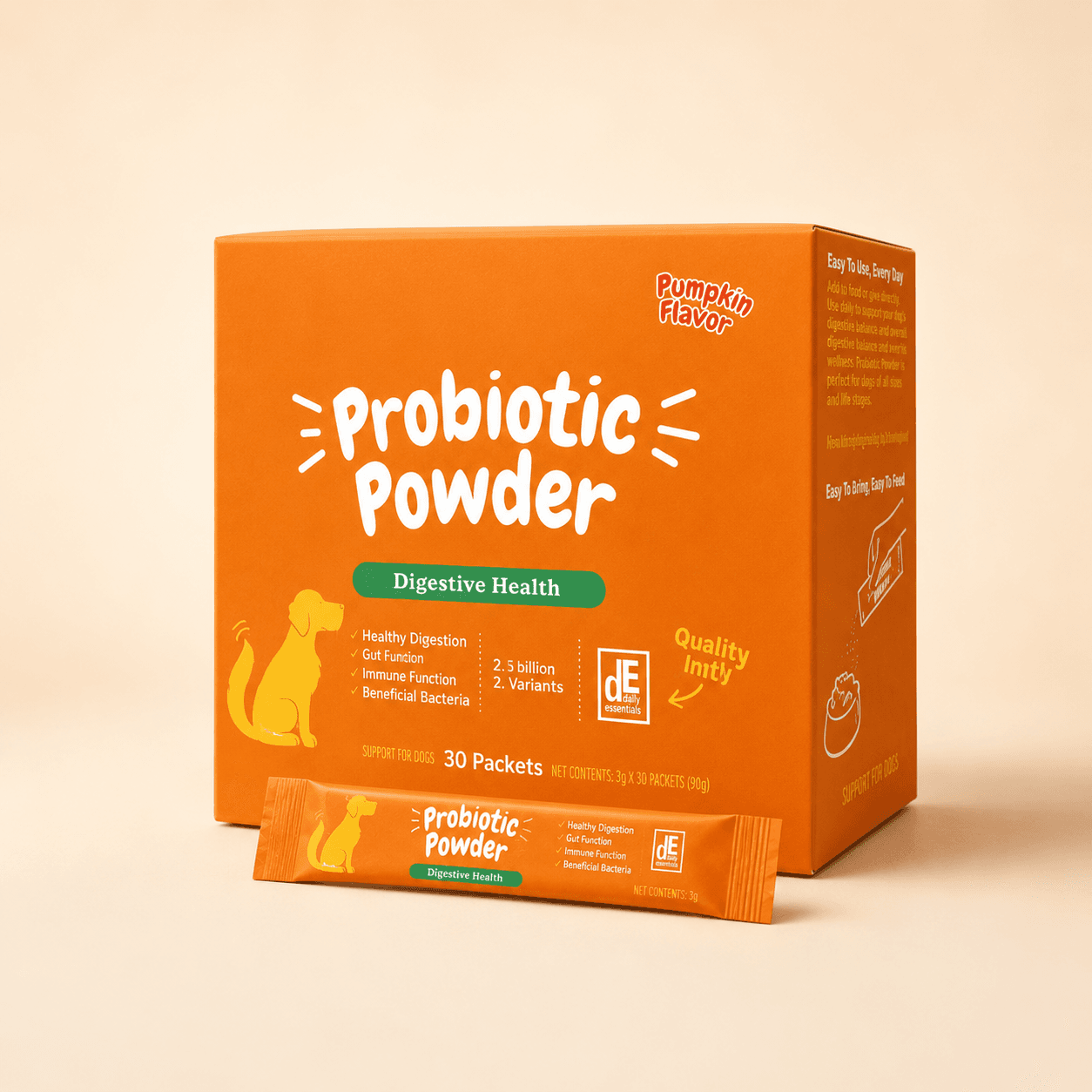 粉末
粉末犬猫兼用 · 腸内ケア
ペット用 プロバイオティクスパウダー
そのまま棚に並べられる犬猫兼用の消化ケアパウダーです。
- 参考価格
- US$4.09 1 個あたり、パッケージ別
- 最低ロット
- 3,000 個
 粉末
粉末製品化を検討しませんか
ブリーフをお送りください。OEM/ODM チームが進め方、MOQ、サンプル手順をご案内します。