
7 Surprising Causes of Dog Bad Breath You Need to Know
Respuesta rápida
Dog bad breath is a persistent odor from a dog's mouth, also called halitosis. It often comes from plaque and tartar, the diet, or illness such as kidney disease, diabetes, or a gut problem. Brushing, dental chews, and a veterinary exam find the cause. A supplement can support daily oral care, but it does not treat disease.
Por Beno · Revisado por Prof. Wang Kai, Technical Advisor
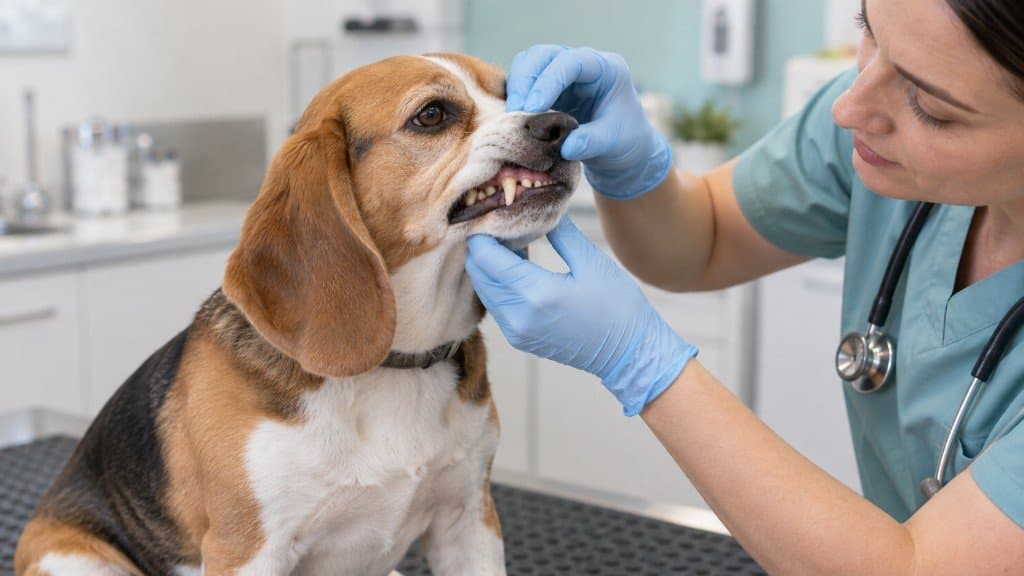
Dog bad breath is more than just an unpleasant smell. It can be a sign of underlying health issues.
Many dog owners dismiss bad breath as normal. However, it often indicates a problem that needs attention.
Understanding the causes of dog bad breath is crucial. It helps in identifying potential health concerns early.
Poor oral hygiene is a common culprit. Just like humans, dogs need regular dental care to prevent issues.
Diet also plays a significant role in a dog's breath. Certain foods can contribute to a foul odor.
Health conditions such as diabetes and kidney disease can cause bad breath. These require veterinary attention.
Gastrointestinal issues may also lead to smelly breath. It's important to monitor your dog's overall health.
Foreign objects stuck in a dog's mouth can cause bad breath. Regular checks can help prevent this.
Regular dental check-ups are essential. They help maintain your dog's oral health and prevent bad breath.
Brushing your dog's teeth can significantly reduce bad breath. It's a simple yet effective solution.
Dental chews and toys can aid in reducing plaque buildup. They are a fun way to maintain oral hygiene.
Home remedies for stinky dog breath include natural ingredients like coconut oil. These can be effective and safe.
Fresh herbs such as parsley can naturally freshen your dog's breath. They are easy to incorporate into their diet.
Addressing dog bad breath improves your pet's quality of life. It strengthens the bond between you and your furry friend.
At BENO, we work with pet brands to develop supplements for daily oral care and digestive support. Understanding what causes dog bad breath helps owners build better care routines and helps brands choose products that fit those routines.
Definition of Dog Bad Breath
Dog bad breath, scientifically known as halitosis, refers to an unpleasant odor emanating from a dog's mouth. It's more than just an inconvenience. It can be indicative of more serious health issues.
Halitosis occurs for various reasons. The primary causes often involve oral health problems or systemic diseases. While all dogs may occasionally have bad breath, persistent odor should not be ignored.
The odor results from bacteria breaking down particles in the mouth. These bacteria produce volatile sulfur compounds. These compounds are responsible for the foul smell.
Common sources contributing to bad breath in dogs include:
- Dental Issues: Such as periodontal disease or tartar buildup.
- Dietary Factors: Certain foods that dogs eat can lead to unpleasant odors.
- Health Conditions: Diseases like diabetes or kidney problems often manifest as halitosis.
- Foreign Objects: Objects lodged in the mouth can cause infection and odor.
Understanding the nuances of dog bad breath is essential. Early detection and action can prevent deeper health issues. Maintaining your dog's oral hygiene is a crucial step in ensuring they lead a healthy life. Regular vet visits and at-home dental care routines can make a significant difference. Remember, a healthy mouth contributes to a happy and active dog.
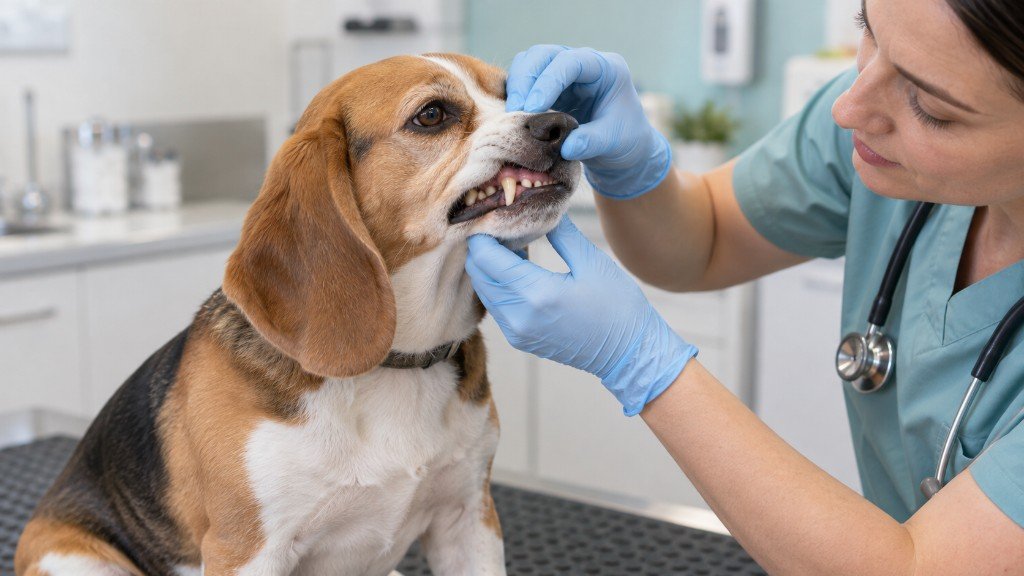
Importance of the Issue
Dog bad breath, though common, is a significant concern for pet owners. It goes beyond being merely a nuisance. Addressing it is important for several reasons.
Firstly, persistent bad breath in dogs often signals underlying health problems. Ignoring the odor may allow these issues to worsen over time. This could lead to more serious conditions.
Secondly, maintaining your dog's oral health impacts their quality of life. Dogs rely on their mouths not just for eating but for exploring their environment. Pain or discomfort in the mouth can affect their behavior and well-being.
Bad breath also affects the relationship between pets and their owners. Dogs love to be close to us, but halitosis can make these moments unpleasant. This is why addressing the issue swiftly is key.
Here are some crucial points to consider regarding the importance of managing bad dog breath:
- Health Indicator: Bad breath can indicate diseases, thus early diagnosis is crucial.
- Quality of Life: Poor oral health can lead to discomfort and affect eating habits.
- Owner-Pet Relationship: Fresh breath allows for a more pleasant interaction.
- Preventive Care: Regular attention to breath can prevent larger health expenses.
Understanding the importance of this issue helps in taking proactive steps. This ensures your dog remains healthy, happy, and close by.
Common Causes
Dog bad breath can arise from a variety of issues. Understanding these root causes is key to finding effective solutions. While some are simple to address, others may require professional help.
Here are some common causes of bad breath in dogs:
- Poor Dental Hygiene: Bacteria thrive in unclean mouths.
- Diet and Nutrition: Certain food types lead to bad breath.
- Health Conditions: Diseases can cause foul odors from the mouth.
With this knowledge, dog owners can better manage and prevent bad breath in their pets by addressing these common causes.
Poor Dental Hygiene
Dental hygiene is a critical factor in maintaining fresh breath. Dogs need regular oral care just like humans. Yet, many pet owners overlook this aspect of pet care, leading to issues.
When dental hygiene is neglected, bacteria find an optimal environment to grow. This can result in plaque and tartar build-up over time, creating a foul smell. Dental diseases, like periodontal disease, often result from poor hygiene and contribute to bad breath.
Without regular cleaning, your dog's teeth can harbor a significant amount of bacteria. Over time, this leads to painful gum diseases and tooth decay. The decay and disease further exacerbate bad breath.
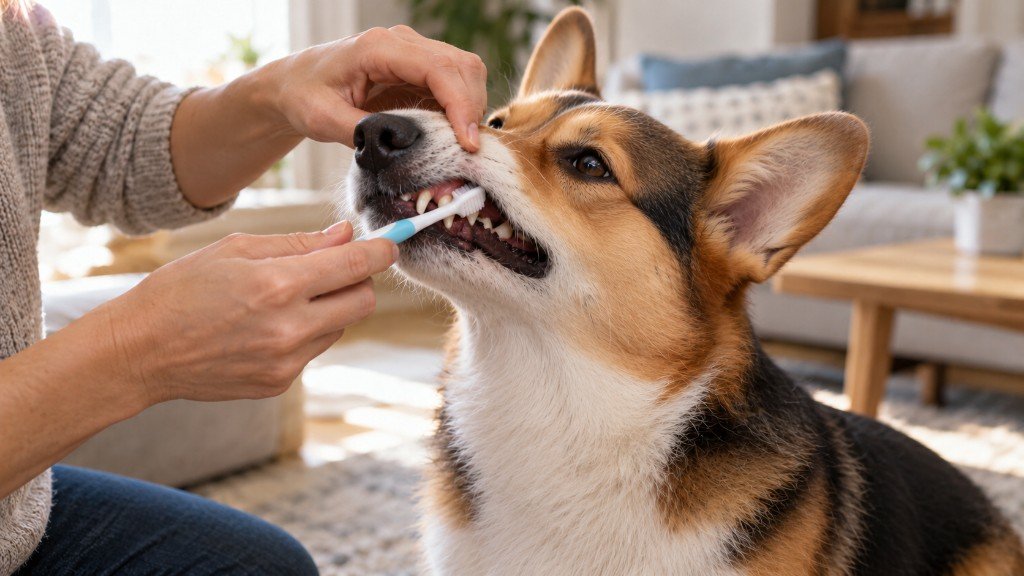
Regular brushing with dog-friendly toothpaste is vital. This helps in removing food particles and bacteria from the mouth. Additionally, dental chews and toys can assist in cleaning teeth.
Here's why poor dental hygiene leads to bad breath:
- Bacteria Growth: Lack of brushing allows bacteria to thrive.
- Plaque and Tartar: Bacteria contribute to plaque build-up.
- Gum Disease: Inflammation and infection can cause severe odor.
Paying attention to your dog's dental hygiene can significantly reduce bad breath issues.
Bacteria Build-up
Bacteria build-up in a dog's mouth is a primary cause of bad breath. The warm, moist environment is ideal for bacteria growth if proper care is not taken.
When food particles remain in the teeth, bacteria work to break them down. This process releases volatile sulfur compounds, which carry a strong odor. The result is the familiar smell of bad dog breath.
Over time, bacteria contribute to more severe dental problems. These include gum infections and cavities, which intensify breath odors. Dental diseases can become painful for your pet and more challenging to treat.
Certain preventive measures are crucial. Regular brushing with special dog toothpaste helps control bacteria. Make sure to use a soft-bristle toothbrush designed for dogs. Providing dental chews can also help.
Key aspects of bacteria build-up include:
- Food Residue: Remaining particles promote bacteria growth.
- Sulfur Compounds: Bacteria produce smelly byproducts.
- Gum Infections: Bacteria lead to inflammation and odor.
Consistent oral care practices can prevent bacteria build-up and maintain fresher breath.
Diet and Nutrition
A dog's diet plays a significant role in the condition of their breath. Certain food types contribute more to bad breath than others. It's important to recognize these dietary factors and make necessary adjustments.
Foods high in sugar and starch are prime culprits. They encourage bacterial growth, leading to more plaque formation. Similarly, poor-quality dog foods may lack essential nutrients, impacting overall oral health.
A balanced diet ensures optimal health and can help reduce bad breath. Ensure that your dog's meals are nutritious and free from fillers. High-quality proteins, alongside adequate fiber, aid in digestion and minimize smelly breath.
Always provide fresh, clean water for your dog to drink. Hydration is key in washing away food particles and keeping their mouth moist. A dry mouth can worsen bad breath by allowing bacteria to proliferate.
Key dietary considerations include:
- High-Sugar Foods: Promote bacteria and plaque.
- Nutrient Balance: Essential nutrients support oral health.
- Hydration: Prevents dry mouth and odor.
With the right nutritional balance, you can help keep your dog's breath fresh and healthy.
Food Types and Bad Breath
Not all foods are created equal when it comes to influencing breath odor. Some particular types of food can worsen bad breath in dogs. Identifying these can aid in better managing oral health.
Table scraps are a significant contributor to bad breath. Often fatty and rich, these leftovers provide unnecessary sugars and fats. Dogs struggle to digest them efficiently, leading to poor breath and potential health problems.
High protein foods may also affect a dog's breath. Proteins that are not properly digested can produce a stronger odor. This is because proteins break down into amino acids which bacteria can convert into unpleasant sulfur compounds.
Breath-freshening foods can help. Ingredients like parsley and mint can naturally combat bad odors. They can be added to your dog's meals as a safe way to improve breath.
Here's how certain foods influence dog breath:
- Table Scraps: High fat and sugar levels make digestion tough.
- Protein-Rich Foods: Excess protein can lead to strong odors.
- Herbs: Fresh herbs can naturally fight bad breath.
By choosing the right foods, you can help improve your dog's breath significantly.
Health Conditions
Beyond diet and dental hygiene, several health conditions can lead to bad breath in dogs. Recognizing and addressing these conditions can prevent more severe health issues.
Kidney disease can cause a particular kind of bad breath. It often smells like ammonia or urine due to toxin build-up. When the kidneys don't function well, toxins are not effectively filtered from the bloodstream.
Similarly, diabetes in dogs often results in a distinct fruity odor on the breath. This occurs due to ketones, which are chemicals released when fat is broken down instead of sugar.
Gastrointestinal issues may also manifest as bad breath. Conditions like bowel obstruction or gastritis can change the breath odor. These health issues require immediate veterinary attention.
Several health conditions to watch include:
- Kidney Disease: Ammonia-like odor indicates toxin build-up.
- Diabetes: Fruity breath scent can be a key symptom.
- Gastrointestinal Problems: Can cause foul-smelling breath.
Monitoring your dog's health regularly can help catch these issues early on.
Kidney Disease
Kidney disease in dogs is a serious condition that can lead to severe breath odor. The kidneys are essential for filtering out toxins from the blood. When they fail, these toxins accumulate and manifest as a specific foul breath.
The smell is often compared to ammonia or urine. This is due to the presence of urea in the bloodstream that gets exhaled. It's a clear sign that your dog requires immediate veterinary care.
Symptoms beyond bad breath may include increased thirst, frequent urination, and weight loss. These symptoms should never be ignored. They point to potentially serious health issues that need professional treatment.
Regular veterinary check-ups can help detect early signs of kidney issues. Blood tests and urinalysis are important tools in diagnosing kidney disease. Early intervention can lead to more effective management.
Key points about kidney disease and dog breath:
- Ammonia Odor: Indicates high toxin levels in blood.
- Additional Symptoms: Increased thirst and urination.
- Urgency: Immediate veterinary attention is crucial.
Addressing kidney disease promptly can improve your dog's quality of life.
Diabetes
Diabetes can affect dogs similarly to humans, leading to a change in breath odor. A telltale sign of this disease is a sweet or fruity breath scent. This odor results from the breakdown of fats instead of sugars, releasing ketones into the bloodstream.
Apart from distinct breath odor, diabetes in dogs can cause increased thirst, frequent urination, and sudden weight changes. These symptoms, combined with bad breath, necessitate a vet visit.
Management of diabetes in dogs requires dietary adjustments and possibly insulin therapy. A veterinarian will provide a comprehensive plan tailored to your pet's needs.
Proper diagnosis involves blood tests and is crucial for effective treatment. Left unmanaged, diabetes can lead to severe health complications, including vision loss and kidney problems. Regular blood sugar monitoring and adherence to prescribed treatment are vital.
Important aspects of diabetes in dogs include:
- Fruity Breath Scent: Indicates the presence of ketones.
- Common Symptoms: Thirst, urination, and weight fluctuations.
- Management: Requires a thorough veterinary treatment plan.
Understanding the signs of diabetes allows for timely intervention and better health outcomes for your dog.
Signs and Symptoms
Recognizing the signs of dog bad breath is vital for timely intervention. It's more than just a foul smell; it may indicate health issues.
You may notice:
- Unpleasant odor from the mouth
- Visible plaque or tartar on teeth
- Signs of discomfort when eating
These symptoms can signal underlying problems that need addressing. Watching for changes in breath and behavior ensures prompt care.
Identifying Smelly Breath
Identifying smelly dog breath begins with regular observation. Often, a dog's bad breath is mistaken as natural, but significant odors suggest concerns.
Firstly, take note of any changes in your dog's usual breath scent. If you detect a persistent and unpleasant odor, it's time to investigate.
Checking your dog's mouth is essential. Look for yellowish plaque or brown tartar deposits on the teeth. These are common culprits of a dog smelly breath and indicate poor dental hygiene.
Additionally, examine the gums for any redness or swelling. Infections might present with particularly strong odors. If your dog seems hesitant when you approach their mouth, it might be due to discomfort from oral issues.
Here's what to look for:
- Odor Change: Persistent, unpleasant smell deviation
- Plaque/Tartar: Visible build-up signals problems
- Gum Condition: Redness/swelling hints at infections
Addressing these signs early helps mitigate more severe health concerns for your pet.
Behavioral Changes
Behavioral changes often accompany a dog's bad breath, signaling possible discomfort. Pay attention to your dog's habits for warning signs.
If your dog becomes reluctant to eat or chew, it might indicate oral pain. Drooling more than usual can also signal oral health issues. When combined with bad breath, these symptoms suggest a deeper problem.
Another behavior change to note is pawing at the mouth. This could indicate irritation or pain caused by an oral issue. If your dog avoids their favorite toys, especially chew toys, it might hint at dental pain.
Changes in overall demeanor, such as lethargy or irritability, may accompany poor oral health. When dogs are uncomfortable, they may not engage as actively or happily as before.
Behavioral indicators to watch include:
- Eating Habits: Reluctance suggests oral discomfort
- Drooling: Increased amounts can signal issues
- Mouth Contact: Pawing or avoiding toys shows irritation
Recognizing these behavioral symptoms leads to quicker diagnosis and treatment, helping ensure your dog's comfort and health.
Home Remedies for Stinky Dog Breath
Tackling dog bad breath can be straightforward with home remedies. Simple treatments can provide relief and freshness without harsh chemicals.
Many remedies use common ingredients. These can include items found in your kitchen or garden, promoting natural alternatives to counter dog smelly breath.
Key remedies include:
- Coconut Oil: Works as an antimicrobial
- Apple Cider Vinegar: Balances mouth pH
- Parsley and Mint: Freshens naturally
Experiment with these to find what suits your dog best, keeping their breath fresh without stress.
Dog Bad Breath Home Remedy
Home remedies are great for managing dog bad breath. They use familiar ingredients and can often be mixed into your dog's routine seamlessly.
Coconut oil is popular due to its antimicrobial properties. Adding a small amount to your dog's food can help reduce harmful bacteria in the mouth. Many dogs also enjoy the taste, making it a simple addition.
Apple cider vinegar is another effective solution. It helps balance the pH levels in your dog's mouth, combating the growth of odor-causing bacteria. You can mix a teaspoon into their water bowl daily.
Natural herbs like parsley and mint are great for freshening your dog's breath. Finely chop them and sprinkle them over your dog's meals. They're harmless yet effective, contributing to better breath.
A regular introduction of these ingredients can offer remarkable results. Always ensure the quantities are safe and start slow to observe any reactions. Consult your vet if you are unsure about implementing these remedies.
Here are several measures to help:
- Coconut Oil: Antimicrobial and palatable
- Apple Cider Vinegar: pH balancer
- Parsley & Mint: Breath fresheners
Using home remedies is not just cost-effective but also stress-free for your dog.
Natural Ingredients
Leveraging natural ingredients can significantly improve your dog's bad breath. The focus on safe ingredients makes it ideal for regular use.
Coconut oil serves as a potent antimicrobial agent. Its lauric acid content helps fight bacteria, freshening breath naturally. Mix it into your dog's diet for best results.
Apple cider vinegar is another key ingredient. Its acidity neutralizes bad breath bacteria, leaving your dog's mouth fresher. Dilute a small amount in your dog's water bowl regularly.
Fresh herbs like parsley and mint can also enhance breath. These herbs neutralize odors naturally and are safe for daily consumption in small amounts.
Effective natural ingredient tips include:
- Coconut Oil: Antimicrobial benefits
- Apple Cider Vinegar: Bacterial neutralizer
- Parsley & Mint: Safe and effective fresheners
These natural solutions provide a non-invasive approach to improving your dog's oral health and breath.
Canine Bad Breath Home Remedies
Apart from food additions, there are numerous canine bad breath home remedies that are easy and affordable. These involve small changes and additions to daily routines.
Chewing plays a crucial role in a dog's oral health. Providing dental chews can help scrape off plaque, reducing bad breath over time. These chews are readily available and come in flavors dogs love.
Regularly inspect your dog's water bowl. Ensure that it is clean and change the water frequently. Stale water can harbor bacteria, contributing to your dog's bad breath. Clean bowls prevent bacteria growth and help maintain good oral hygiene.
Probiotics are beneficial for your dog's digestion, which in turn can lessen bad breath originating from gastrointestinal issues. Introduce probiotics gradually into your dog's diet for improved gut health.
For brands developing a digestive-support range, BENO offers probiotic soft chews, powders, and liquid drops. These formats can sit alongside oral-care products in a broader pet wellness range. Persistent bad breath still needs veterinary assessment.
Keep an eye on your dog's diet. Table scraps and certain dog foods can lead to more pungent breath. Consider a diet revision, focusing on high-quality, balanced foods designed to promote oral health.
Recommended routines include:
- Dental Chews: Keeps teeth clean
- Clean Water Bowl: Reduces bacteria
- Probiotics: Aids digestion
- Balanced Diet: Mitigates odor
Implement these simple changes to mitigate canine bad breath and improve their overall health.
DIY Solutions
Do-it-yourself solutions for dog bad breath are practical and involve everyday household items. They ensure quick intervention without professional help.
Baking soda is a classic tool that helps neutralize odors. Mixing a small amount into water for occasional rinsing can balance mouth pH and reduce bad breath. Ensure your dog doesn't ingest too much, as it can upset the stomach.
Simple homemade treats can incorporate breath-freshening ingredients. Use ingredients like pumpkin and organic dog-friendly herbs. Baking these treats provides your dog with enjoyable chewables that fight bad breath naturally.
Dry brushing your dog's teeth with a soft-bristled brush can also assist in cleaning without needing toothpaste. It's gentle and effective when done regularly, removing food particles that contribute to odor.
Try these DIY solutions at home:
- Baking Soda Rinse: Odor neutralizer
- Homemade Treats: Chewing aids
- Brushing Teeth: Removes particles
These DIY methods offer practical and effective ways to manage dog bad breath comfortably at home.
Bad Dog Breath Solutions
Finding effective solutions for bad dog breath enhances your pet's quality of life. Preventive care and targeted treatments are key.
To address the root causes, consider maintaining a consistent oral hygiene routine and consulting with your vet regularly. Incorporating practices such as regular brushing and introducing dental chews can mitigate the issue significantly.
Essential solutions include:
- Regular Vet Visits: To rule out health issues
- Proper Diet: Promotes oral health
- Consistent Oral Care: Essential for freshness
Applying these strategies helps in maintaining fresh breath and overall health for your canine friend.
Regular Vet Check-ups
Regular visits to the vet are crucial in managing dog bad breath. Vets can catch underlying health issues that may be contributing factors to halitosis. Timely detection and intervention are vital to avoid further complications.
A comprehensive dental exam is usually part of these visits. Your vet will inspect your dog's teeth, gums, and oral cavity. This helps in identifying any signs of periodontal disease or infections early.
Veterinarians can provide personalized advice based on your dog's specific needs. They might suggest specific diets or products that promote oral health. This tailored approach ensures that your dog receives optimal care suited to their condition.
Consistent vet check-ups can also:
- Detect Oral Infections: Early identification prevents aggravation
- Provide Professional Cleaning: Advanced cleaning techniques
- Diagnose Medical Conditions: Uncover hidden health issues
Ensure your dog visits the vet regularly to keep their breath fresh and health issues at bay.
Dental Hygiene Practices
Dental hygiene plays a pivotal role in controlling bad dog breath. A well-maintained oral care routine can significantly reduce odor-causing bacteria.
Brushing your dog's teeth is perhaps the most effective method. Use dog-specific toothpaste, which is safe and often comes in appealing flavors. Regular brushing helps prevent plaque build-up, a common source of bad breath.
Dental chews and toys are beneficial supplements. These encourage chewing, which can help clean teeth naturally. They are designed to reach different parts of the mouth, assisting in cleaning hard-to-reach areas.
Incorporate the following into daily routines:
- Regular Teeth Brushing: Prevents plaque build-up
- Dental Chews: Promotes natural cleaning
- Water Additives: Enhances oral hygiene
Implement these dental care practices to ensure a fresh and healthy mouth for your furry companion. Consistency is key in achieving long-lasting results.
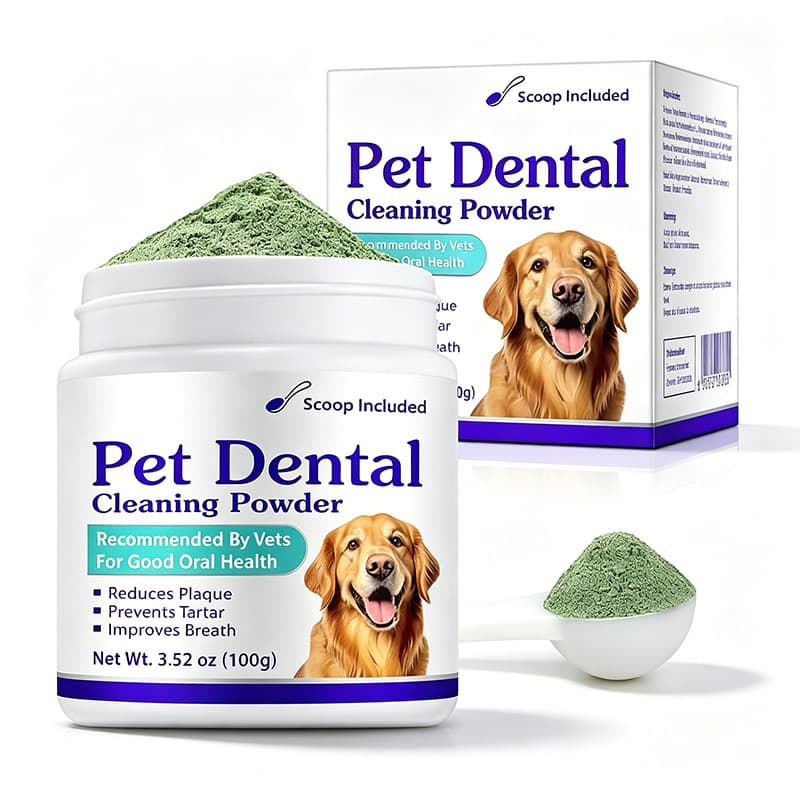
A food-mix-in format is another option for a daily oral-care routine. BENO's Pet Dental Cleaning Powder is available for private label, with options for jar size, flavour, label artwork, and formulation adjustments. Brands can request the specification and feeding guidance when selecting a product for their market.
At BENO, we position these products as support for daily oral hygiene. They complement regular brushing and veterinary dental care; supplements cannot treat kidney disease, diabetes, or other medical causes of dog bad breath.
Conclusion
Dog bad breath is more than a minor inconvenience. It can indicate serious health issues that require immediate attention. Understanding the causes and implementing effective solutions are crucial for your pet's health and happiness.
Ensure you take proactive steps to manage and prevent bad breath. By doing so, you enhance your dog's well-being and strengthen your bond. Prioritize both regular check-ups and consistent dental care to maintain fresh breath.
Recap of Causes and Solutions
Dogs' bad breath can stem from various sources, each presenting unique challenges. Poor dental hygiene often leads to bacteria build-up and plaque accumulation. Diet also plays a pivotal role, with certain foods enhancing odor.
Health conditions like kidney disease and diabetes can manifest as bad breath. Recognizing these causes allows for effective management and prevention. This comprehensive approach ensures overall health and a pleasant-smelling canine companion.
To combat bad breath, focus on:
- Improving Oral Hygiene: Regular brushing and dental chews
- Regular Vet Visits: For early detection of health issues
- Diet Management: Choosing foods that promote oral health
By addressing these areas, you can effectively manage and mitigate bad breath in dogs.
Call to Action for Dog Owners
As a dog owner, it's vital to remain vigilant in monitoring your pet's breath. Changes in odor can signal underlying health issues that need prompt action. Don't overlook bad breath as a mere nuisance.
Commit to establishing a robust oral care routine for your dog. Regular brushing, along with professional vet checks, are essential steps. Consider incorporating home remedies and dietary adjustments for added benefits.
Transforming these practices into habits will greatly benefit your dog's health. Stay informed, stay proactive, and don't hesitate to seek professional advice when needed. Your dedication can make a significant difference in your dog's quality of life.
Encourage community discussions on dog oral care and share tips:
- Organize Group Vet Visits: Ensure dogs in your area receive check-ups
- Share Home Remedies: In forums or local groups
- Promote Oral Care Days: In dog parks or communities
Your proactive approach not only aids your pet but also helps others maintain their dogs' health. Step up, and make a meaningful impact today!
Build Your Pet Oral-Care Range with BENO
Looking to add an oral-care product to your pet brand? BENO provides private label and OEM/ODM pet supplement services, including existing dental powder formulas and custom development. We can discuss formulation, flavour, serving size, and packaging to match your target market and brand positioning.
Contact BENO with your target market, preferred pack size, and estimated order quantity to request product specifications, sample options, and a quotation for your oral-care range.
Fuentes
Preguntas frecuentes
- What is dog bad breath?
- Dog bad breath, scientifically known as halitosis, refers to an unpleasant odor emanating from a dog's mouth. It's more than just an inconvenience. It can be indicative of more serious health issues. Halitosis occurs for various reasons. The primary causes often involve oral health problems or systemic diseases. While all dogs may occasionally have bad breath, persistent odor should not be ignored.
- Why does dog bad breath matter?
- Dog bad breath, though common, is a significant concern for pet owners. It goes beyond being merely a nuisance. Addressing it is important for several reasons. Firstly, persistent bad breath in dogs often signals underlying health problems. Ignoring the odor may allow these issues to worsen over time. This could lead to more serious conditions.
- How does poor dental hygiene cause dog bad breath?
- Dental hygiene is a critical factor in maintaining fresh breath. Dogs need regular oral care just like humans. Yet, many pet owners overlook this aspect of pet care, leading to issues. When dental hygiene is neglected, bacteria find an optimal environment to grow. This can result in plaque and tartar build-up over time, creating a foul smell.
- Which health conditions can cause dog bad breath?
- Beyond diet and dental hygiene, several health conditions can lead to bad breath in dogs. Recognizing and addressing these conditions can prevent more severe health issues. Kidney disease can cause a particular kind of bad breath. It often smells like ammonia or urine due to toxin build-up. Similarly, diabetes in dogs often results in a distinct fruity odor on the breath.
- What home remedies can help stinky dog breath?
- Tackling dog bad breath can be straightforward with home remedies. Simple treatments can provide relief and freshness without harsh chemicals. Many remedies use common ingredients. These can include items found in your kitchen or garden, promoting natural alternatives to counter dog smelly breath. Experiment with these to find what suits your dog best, keeping their breath fresh without stress.
- When should a veterinarian check dog bad breath?
- Regular visits to the vet are crucial in managing dog bad breath. Vets can catch underlying health issues that may be contributing factors to halitosis. Timely detection and intervention are vital to avoid further complications. A comprehensive dental exam is usually part of these visits. Your vet will inspect your dog's teeth, gums, and oral cavity.
Stock formulas this guide maps to
These SKUs are already in production. Open a spec page or send the names in your inquiry.
 Polvo
PolvoPerros y gatos · Cuidado específico
Polvo dental para mascotas
Polvo de higiene bucal para mezclar en la rutina de perros y gatos.
- Precio de referencia
- US$5.09 por unidad, sin packaging
- MOQ inicial
- 500 unidades
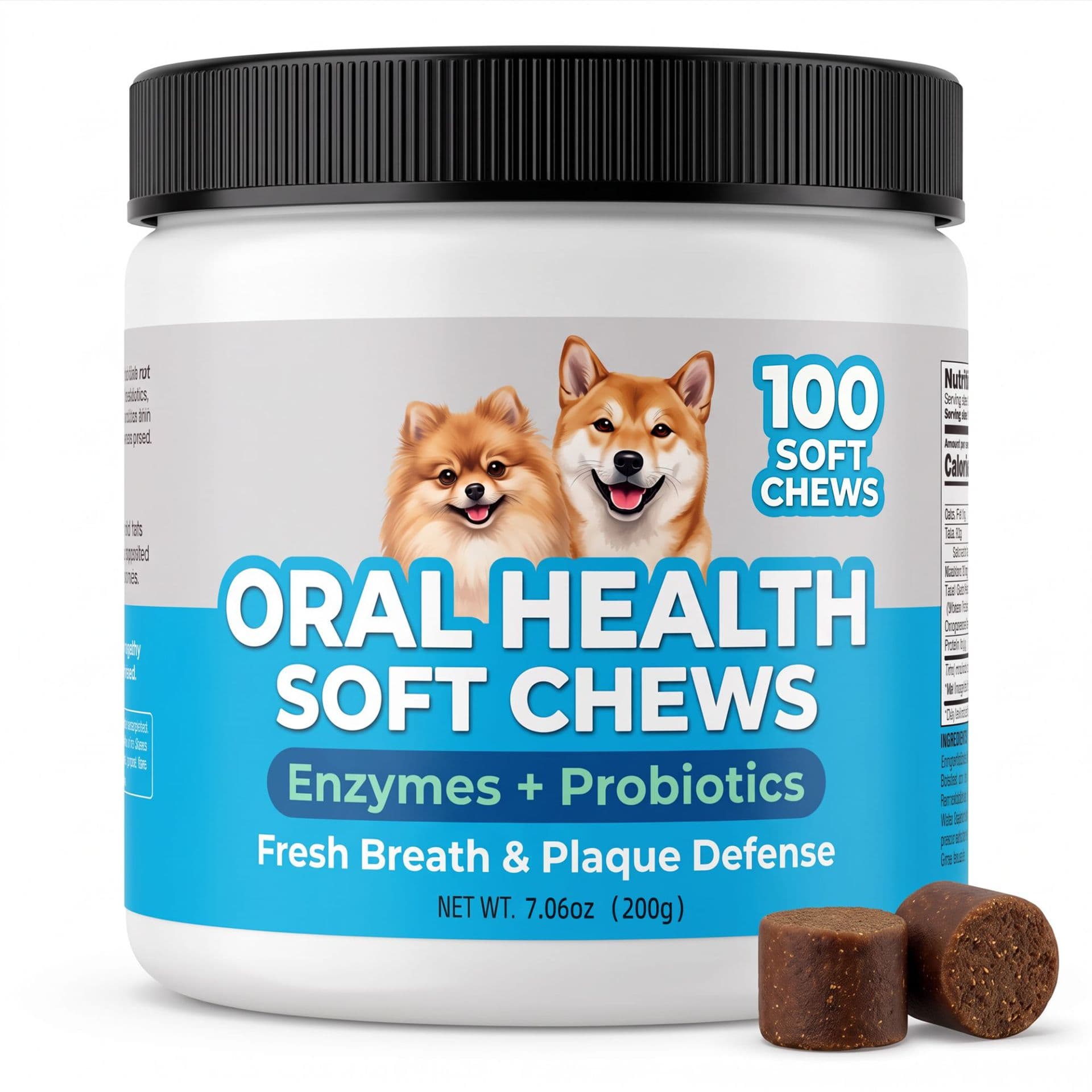 Snacks blandos
Perros y gatos · Cuidado específico
Snacks blandos dental para perros y gatos
Referencia en stock para perros y gatos.
- Precio de referencia
- US$4.64 por unidad, sin packaging
- MOQ inicial
- 500 unidades
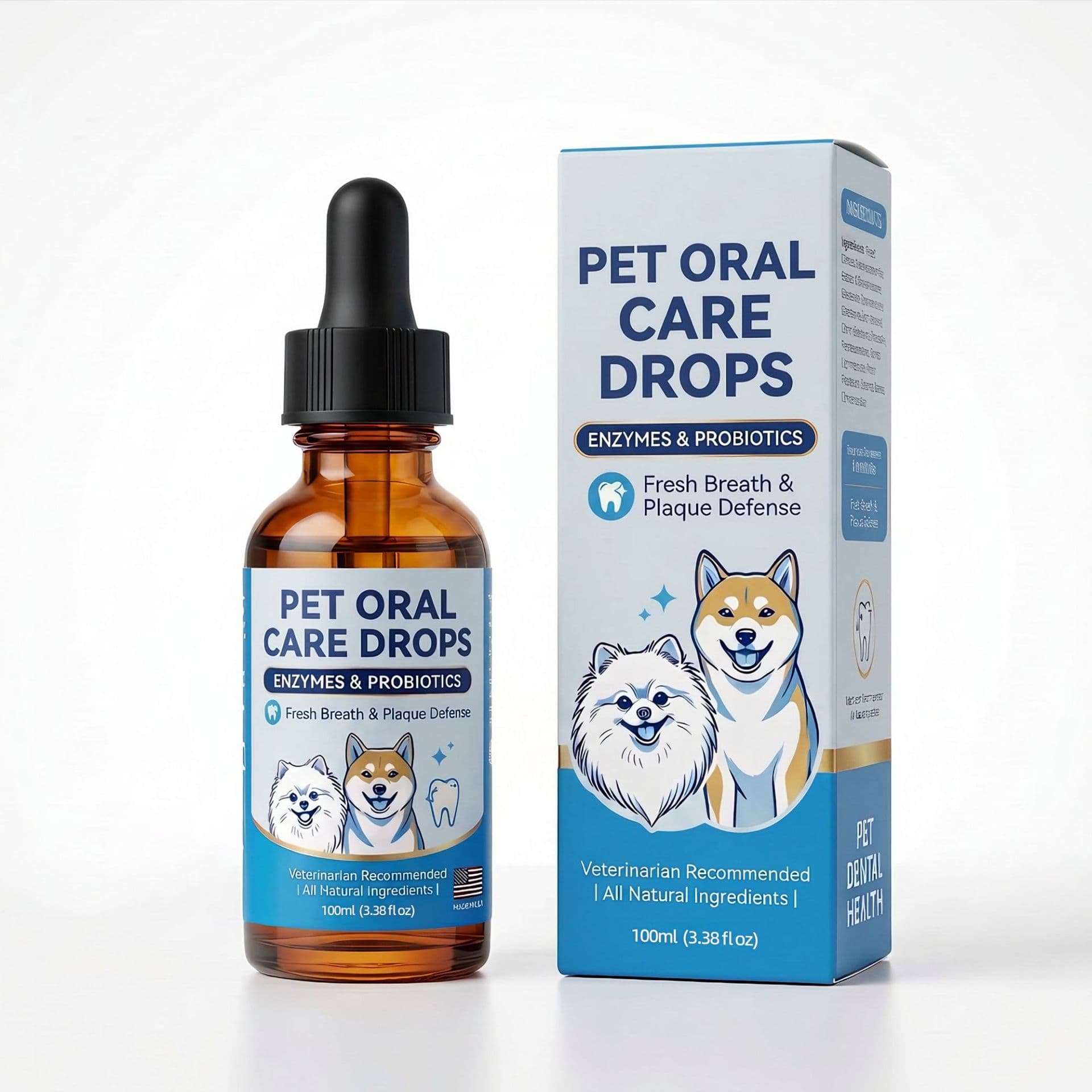 Gotas
GotasPerros y gatos · Cuidado específico
Gotas dental para perros y gatos
Referencia en stock para perros y gatos.
- Precio de referencia
- US$3.35 por unidad, sin packaging
- MOQ inicial
- 200 unidades
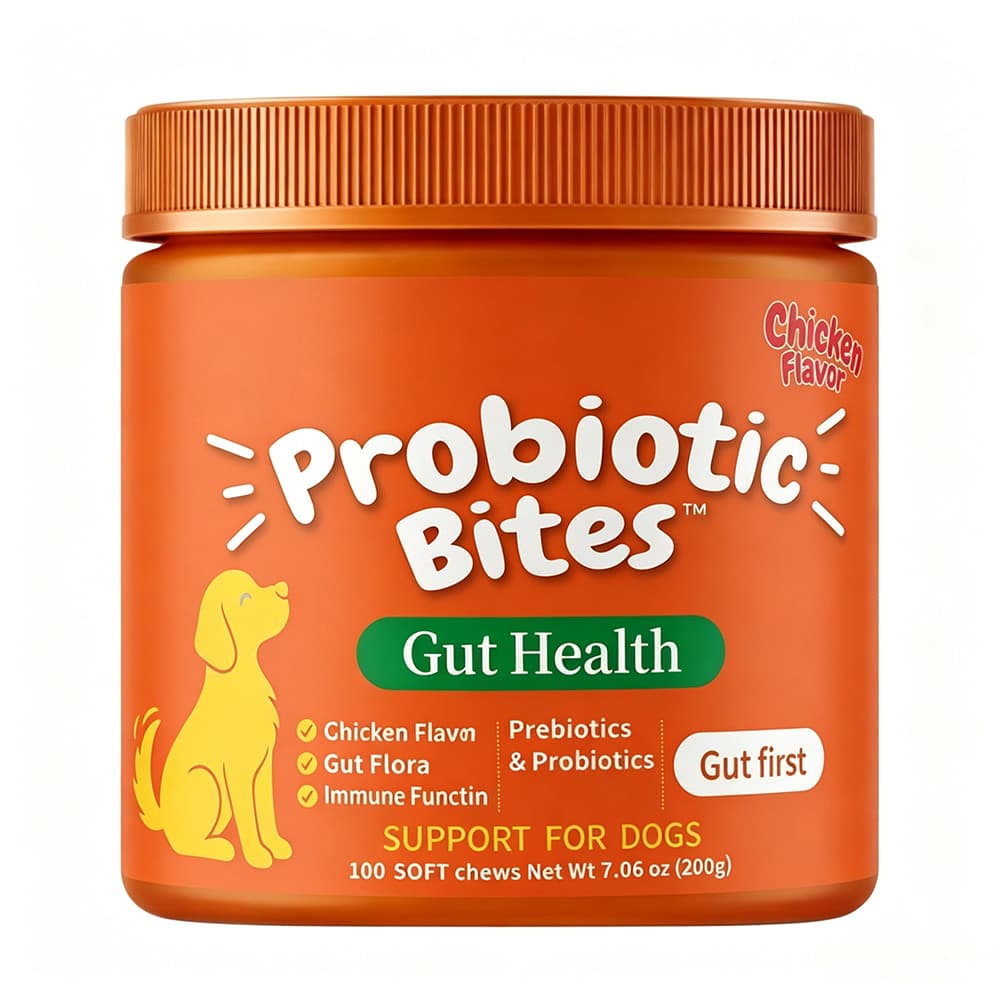 Snacks blandosEn stock
Perros y gatos · Salud intestinal
Snacks blandos probióticos para la salud intestinal
Apoyo digestivo diario en un formato de snack fácil de posicionar.
- Precio de referencia
- US$3.60 por unidad, sin packaging
- MOQ inicial
- 3,000 unidades
Conviértalo en un producto
Envíenos un briefing y nuestro equipo OEM/ODM confirmará la vía, el MOQ y el proceso de muestras.