
How a Soft Chew Is Actually Made: 9 Steps from Raw Material to Batch COA
Réponse rapide
A soft chew moves through nine controlled steps: approved specification, incoming material quarantine, weighing against the batch record, ordered blending with heat-sensitive actives added cold, cold-form extrusion at about five tonnes an hour, in-process weight, hardness and moisture checks, cleanroom filling with batch coding, finished-product testing for the COA, and retention samples with batch release.
Par Li Wang, General Manager · Relu par Prof. Wang Kai, Technical Advisor
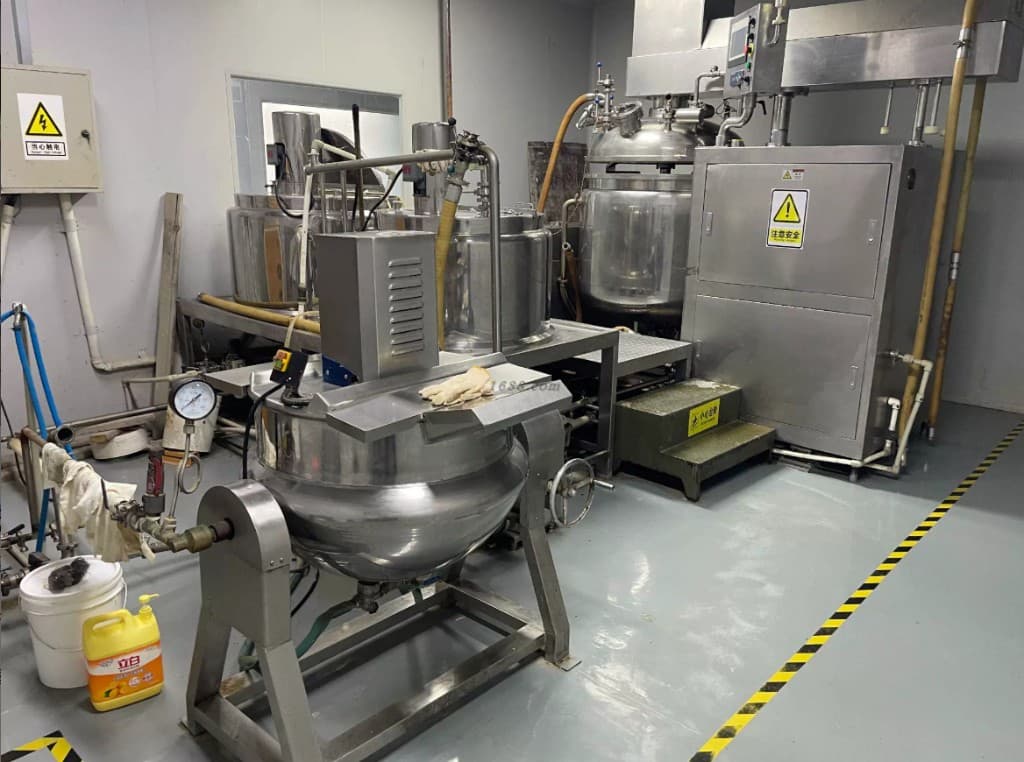
A soft chew is the most photographed product in this industry and the least explained. Brochures show a jar. Audits show a corridor. This is the line itself, step by step, with the check that happens at each step and the document it produces. It is the walk I give buyers on a visit, written down.
I manage the plant at Shenzhen Enbeichong. Our soft-chew line is a cold-form extrusion and forming line specified at about five tonnes an hour, and the process below is how a 2 g joint chew goes from a specification to a jar with a batch COA. Where a number is a published industry range rather than our own figure, I say so.
Step 1: The specification is approved before any material moves
Nothing is weighed until the specification is signed. The specification names each active, its inclusion per piece, the assay method that will be used to confirm it, the target piece weight, the moisture band and the finished-product tests. For a stock formula this document already exists; for a private-label order it is confirmed with the buyer's artwork; for ODM it is written during development.
The specification is the reference for everything after this. If the COA and the specification disagree at the end, the batch does not ship.
Step 2: Incoming materials are checked and quarantined
Every raw material arrives against an approved supplier and an approved specification. Standard ingredients have a sourcing cycle of about seven days. Imported or single-source actives such as green-lipped mussel take longer and are flagged during feasibility.
On arrival each lot is checked for identity, supplier certificate of analysis and physical condition, then held in quarantine until it is released for use. The record for this step is the incoming inspection log, kept per lot, and it is the first entry in the batch's traceability chain.
Step 3: Weighing against the batch record
Actives are weighed as a premix, separately from the bulk matrix, against the printed batch record. Each weight is recorded and signed. This is where a 125 mg MSM target per 2 g piece becomes a kilogram figure for the whole batch, and it is the step auditors ask to watch.
A weighing error here cannot be corrected by testing at the end. That is why the record is signed at the balance, not after the batch.
Step 4: Blending in the right order
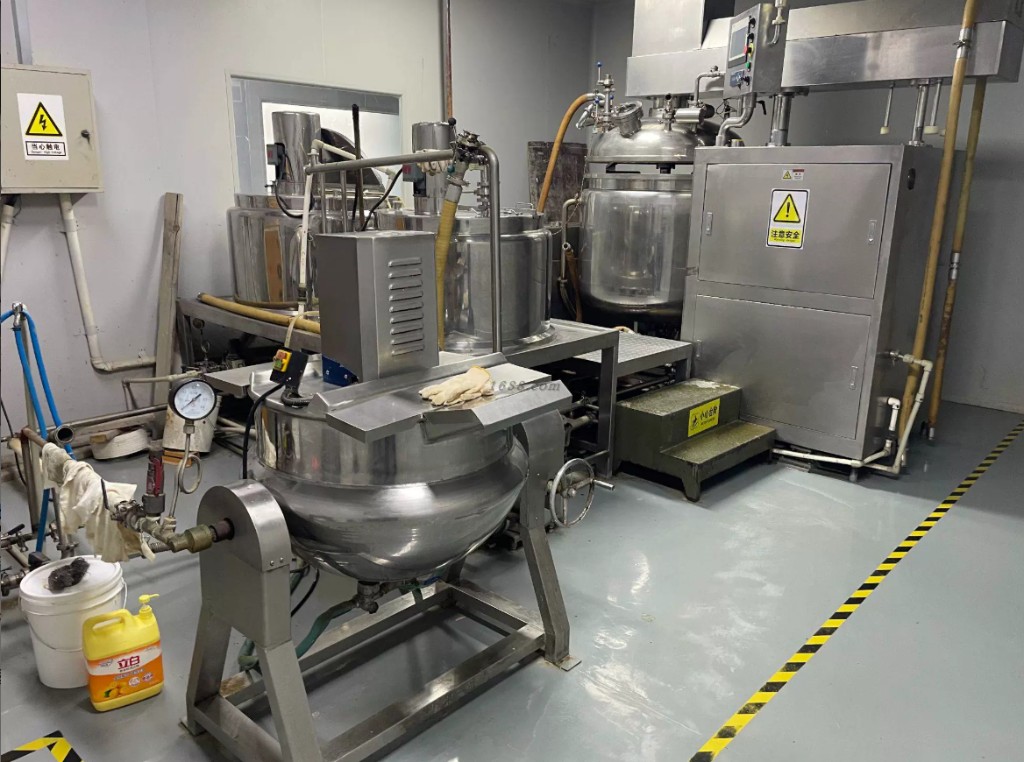
The active premix is dispersed into a carrier first, then blended into the meat-based matrix. Order of addition matters. Heat-sensitive and oxidation-sensitive materials go in late and cold: green-lipped mussel, fish oil and any probiotic culture. Flavour systems go in at the point that gives the most even distribution, because a chew that tastes different at the top and bottom of the jar is a palatability complaint.
The blending step is on video at /videos/blending-granulation.
Step 5: Cold-form extrusion and forming
The blended mass is extruded and cut into pieces at the target weight. We cold-form rather than bake because several of the actives we run, green-lipped mussel above all, lose activity under heat. A cold-formed piece will never be as hard as a biscuit. That is a design choice, not a defect.
The line runs at about five tonnes an hour. That throughput is what makes a 500-unit minimum viable: a short run does not carry the changeover penalty that a slower line does. Custom shapes need their own die and a changeover, which is why a heart or bone shape is not free on a first 500.
The forming line is on video at /videos/soft-chew-line.
Step 6: In-process checks at every interval
Three things are checked at set intervals through the run: piece weight, hardness and moisture. Piece weight controls the dose. Hardness controls whether a small dog can eat it and whether it survives the pouch. Moisture controls shelf life.
Published soft-chew matrices generally sit in a moisture band of about 15 to 25 percent. Too dry and the piece cracks; too wet and it sweats in the pack and grows what you do not want. Our finished specification sets a narrower target within that band and states the water activity limit that protects the 24-month shelf life for standard formulas.
Out-of-range pieces are held and the interval is investigated before the run continues. Production runs with eight in-process quality checkpoints in total across the steps in this article, and each one is a line in the batch record.
Step 7: Filling, closing and labelling in the cleanroom
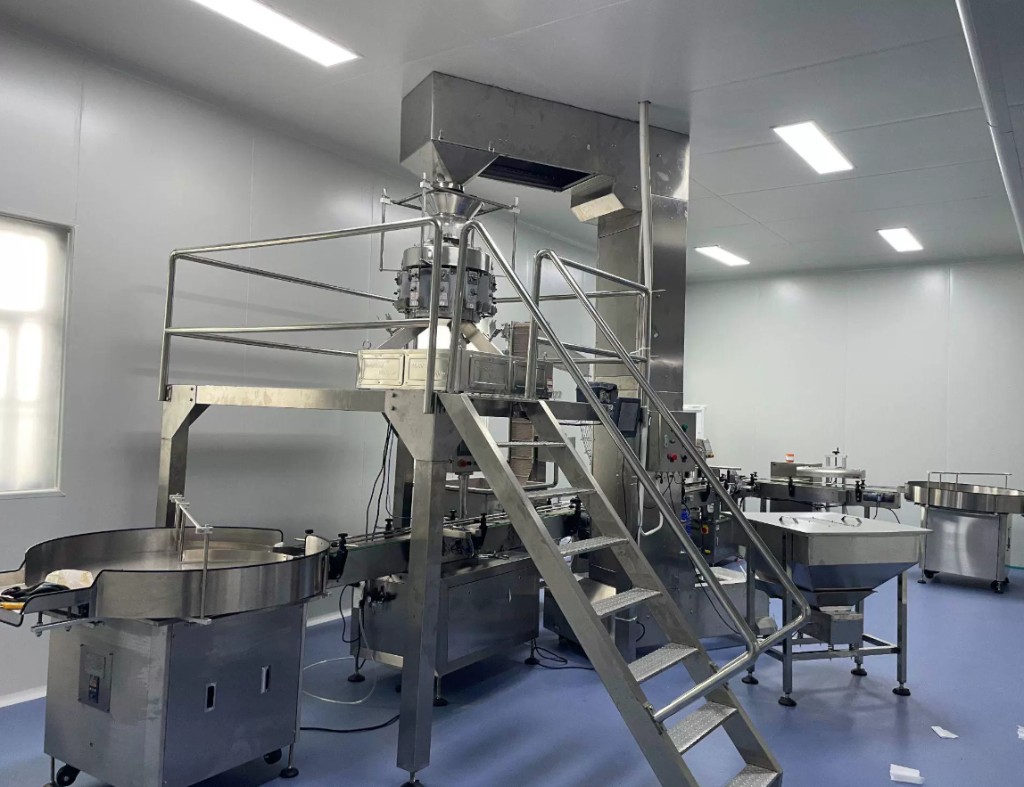
Pieces are weighed into jars or pouches on the fill line in a pressure-monitored cleanroom; the standard stock jar is 100 chews at 200 g. Closures are applied, labels carry the batch code and the best-before date, and cartons carry the same batch code so a pallet can be traced back to the incoming lots in Step 2.
Label content is fixed at artwork approval, and this is where a buyer's claims decision from weeks earlier either protects the listing or does not. We will not print disease claims, and we say so before artwork, not at the fill line.
Step 8: Finished-product testing and the batch COA
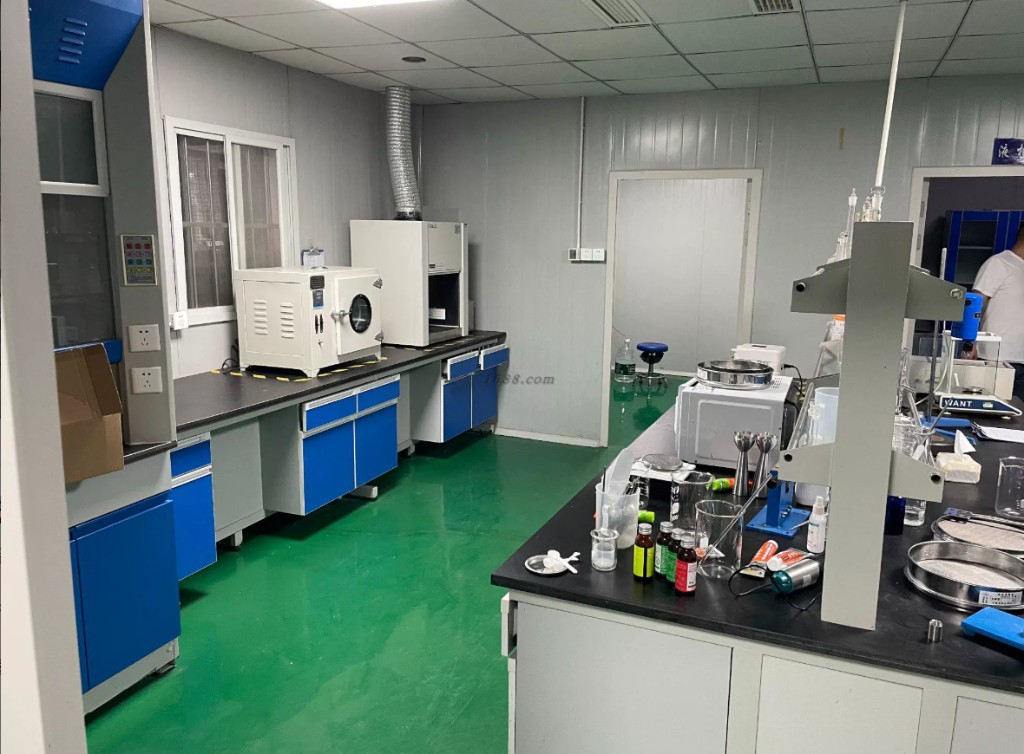
Finished pieces are tested in-house and, per the agreed test plan, by a third-party laboratory. The panel is set in the specification for that product and market rather than being identical for every SKU, and it typically covers assay of the declared actives, moisture, and microbiological and heavy-metal limits.
The result is the batch certificate of analysis. A COA that lists appearance and odour and nothing else is not a supplement COA; what a real one should show is in how to read a pet supplement COA.
Step 9: Retention samples, batch release and the export file
Retention samples are pulled from every batch and kept for the life of the product, so a complaint in month fourteen can be checked against the actual batch rather than against a photo. The batch record is closed, reviewed and signed for release.
The documents that travel with the shipment are the batch COA, the packing list and the commercial invoice in the manufacturing entity's name, plus certificates and origin documents as the destination requires. That file set is what an importer, a marketplace compliance team or a retail buyer will ask for, and it exists because Steps 1 to 8 were recorded, not because it was typed at the end.
What a buyer can ask to see
- The batch record template, before you order. It should have a line for every step above.
- A recent COA for a stock chew, with the laboratory named.
- The line on video or on a live call, in your dosage form, not stock footage. The full tour is at /videos/factory-tour.
- The retention sample shelf. It is the least glamorous room and the most honest.
- The certificates behind the process, with their identifiers, on the quality page.
Where the process limits the formula
The line decides what a chew can carry. High glucosamine loads make a piece dusty and bitter. Fish oil in the same matrix as a joint stack is an oxidation problem, which is why most brands keep omega in a separate skin-and-coat SKU. Live cultures survive better in a powder or a cold-filled liquid than in a chew.
Those are formulation decisions, and they belong to the specification in Step 1. We compare four joint SKUs on exactly those grounds in the joint formula comparison. If your brief has an active the matrix cannot hold, we will tell you at Step 1, not at Step 8.
Sources
Questions fréquentes
- Why are pet soft chews cold-formed instead of baked?
- Several joint and marine actives, green-lipped mussel above all, lose activity under heat. Cold forming keeps the declared ingredient active in the finished piece. The trade-off is texture: a cold-formed chew is never as hard as a biscuit.
- What quality checks happen during a soft chew production run?
- Piece weight, hardness and moisture are checked at set intervals, with eight in-process checkpoints across the run recorded in the batch record. Out-of-range pieces are held and the interval is investigated before production continues.
- What documents does a buyer receive with a soft chew shipment?
- The batch certificate of analysis, packing list and commercial invoice in the manufacturing entity's name, plus certificates and origin documents as the destination requires. Retention samples from the same batch are kept at the plant for the life of the product.
- What moisture level does a pet soft chew need?
- Published soft-chew matrices generally sit in a moisture band of about 15 to 25 percent. Too dry and the piece cracks; too wet and it sweats in the pack and grows what you do not want. Our finished specification sets a narrower target within that band and states the water activity limit protecting a 24-month shelf life.
- Why can a soft chew line quote a 500-unit minimum?
- The line runs at about five tonnes an hour, and that throughput is what makes a 500-unit minimum viable: a short run does not carry the changeover penalty a slower line does. Custom shapes need their own die and a changeover, which is why a heart or bone shape is not free on a first 500.
- Where does the soft chew process limit what a formula can carry?
- The line decides. High glucosamine loads make a piece dusty and bitter. Fish oil in the same matrix as a joint stack is an oxidation problem, which is why most brands keep omega in a separate skin-and-coat SKU. Live cultures survive better in a powder or a cold-filled liquid than in a chew.
Stock formulas this guide maps to
These SKUs are already in production. Open a spec page or send the names in your inquiry.
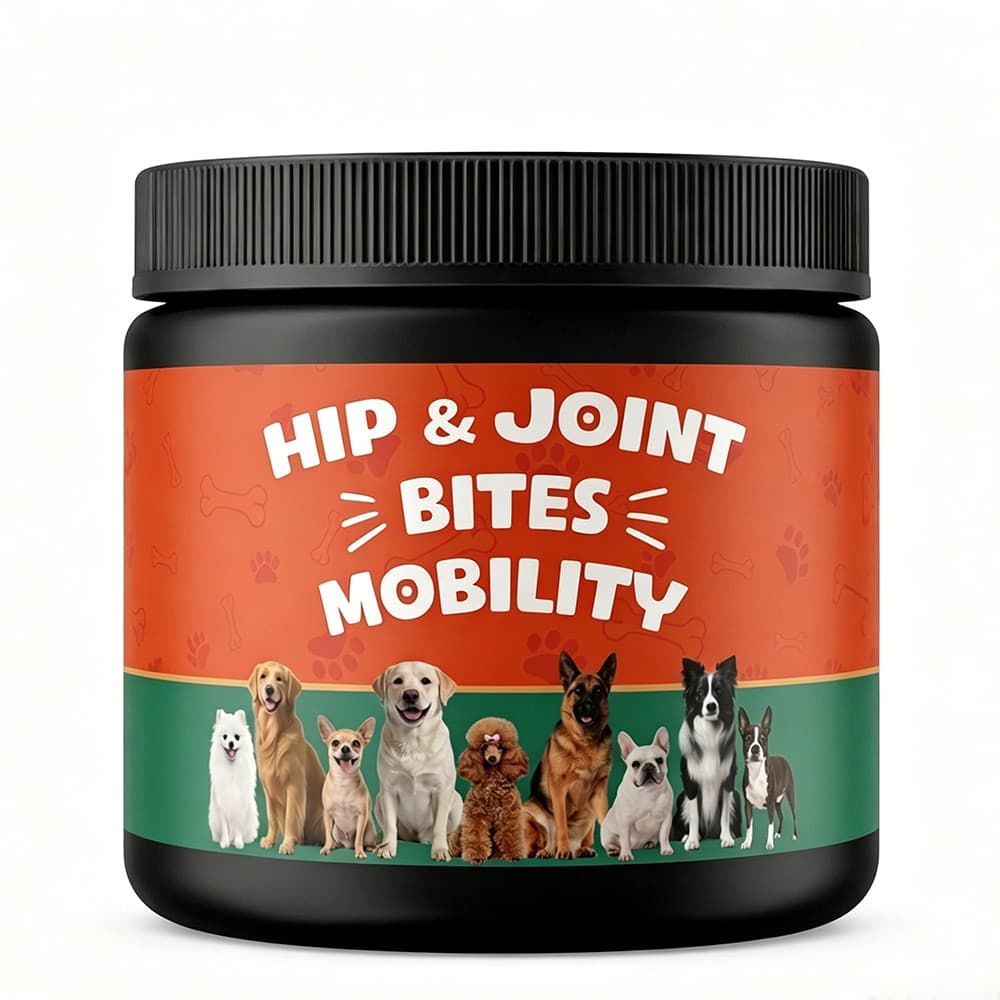 Friandises mollesEn stock
Chiens · Hanches et articulations
Friandises molles mobilité hanches et articulations
Soutien articulaire en friandise molle pour chiens adultes et seniors.
- Prix de référence
- US$4.09 l'unité, hors emballage
- MOQ de départ
- 500 unités
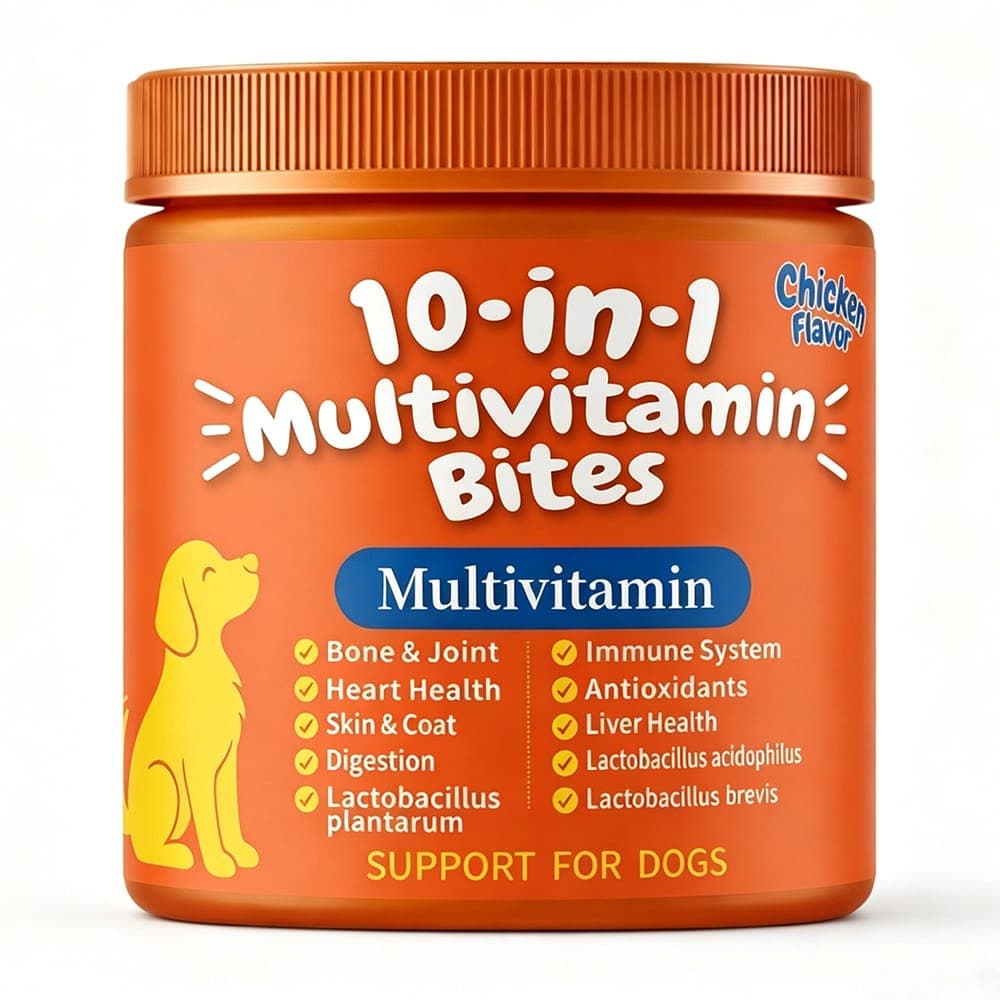 Friandises mollesEn stock
Chiens · Routine quotidienne
Friandises molles multivitamines 10 en 1
Bien-être quotidien complet pour les gammes de compléments grand public.
- Prix de référence
- US$3.09 l'unité, hors emballage
- MOQ de départ
- 500 unités
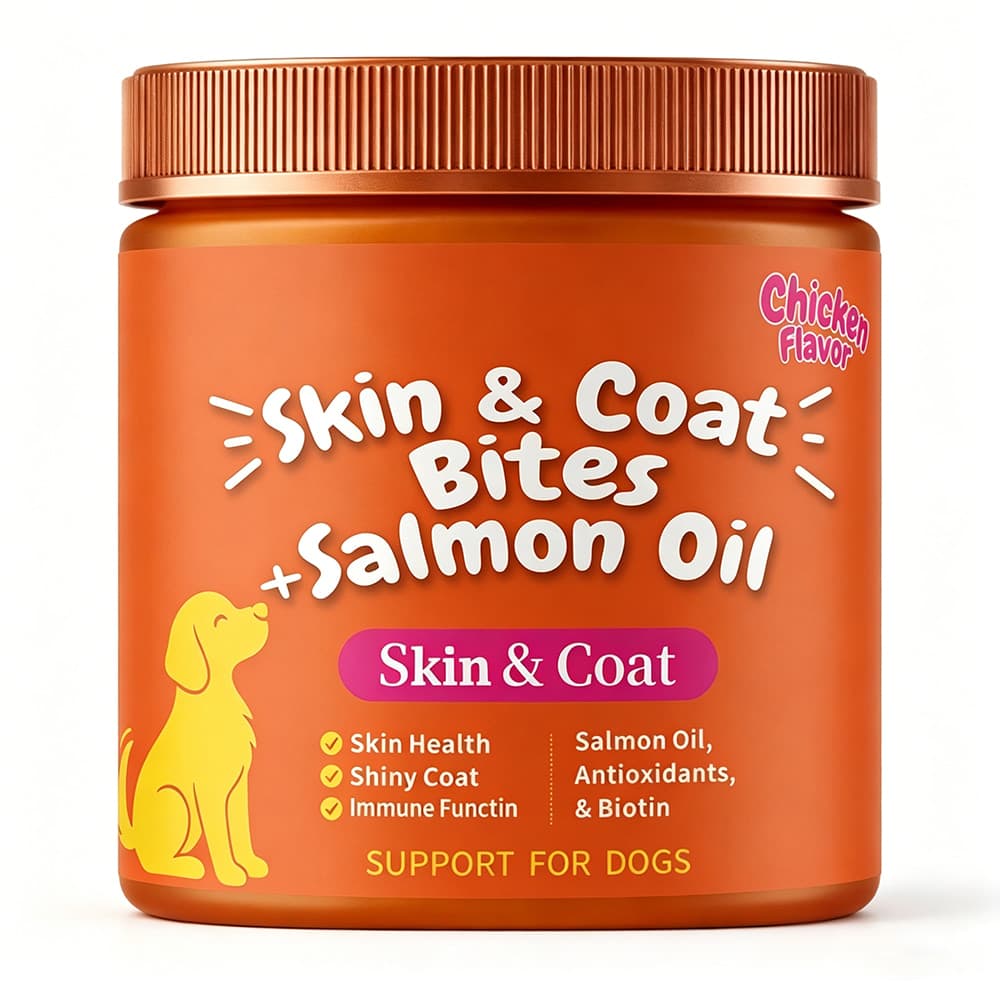 Friandises mollesEn stock
Chiens et chats · Peau et pelage
Friandises molles peau et pelage à l'huile de saumon
Friandise molle pelage conçue pour les gammes beauté et bien-être.
- Prix de référence
- US$2.89 l'unité, hors emballage
- MOQ de départ
- 500 unités
Transformez cela en produit
Envoyez-nous un brief : notre équipe OEM/ODM confirmera la voie, le MOQ et le parcours d'échantillonnage.