
Dog Without Teeth: How to Feed Them Safely
Quick answer
A dog without teeth should be fed soft, moist, nutritionally complete food that can be swallowed without hard chewing: soaked kibble, pâté-style canned food, senior soft food, or veterinarian-approved homemade meals blended to a safe consistency. Softness alone is not enough — protein, fats, vitamins, minerals and calories still have to add up.
By Beno · Reviewed by Prof. Wang Kai, Technical Advisor
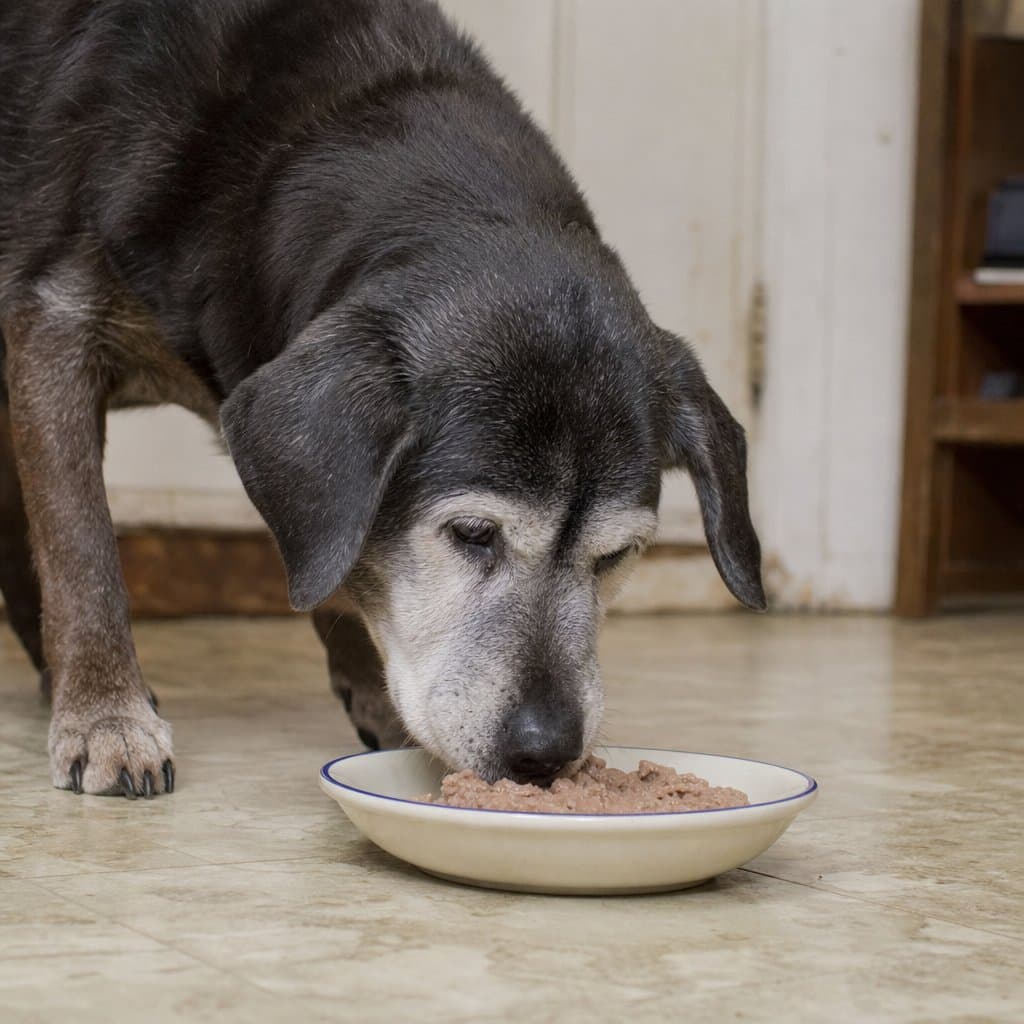
A dog without teeth can still eat well, enjoy mealtimes, and maintain a healthy quality of life. At BenoPet, we work with pet brands on soft-format nutrition and supplement products, so we pay close attention to texture, palatability, serving size, and ease of use. The key is choosing easy-to-eat dog food, adjusting texture, and keeping nutrition balanced rather than simply offering whatever is soft. Whether your dog has lost teeth with age, had dental extractions, or struggles with severe mouth pain, this BenoPet guide explains how a thoughtful toothless dog diet can make feeding safer, calmer, and more comfortable.
What should you feed a dog without teeth?
Feed a toothless dog soft, moist, nutritionally complete food that can be swallowed comfortably without hard chewing. Good options include soaked kibble, pâté-style canned food, soft dog food designed for seniors, and veterinarian-approved homemade meals that are blended or mashed to a safe consistency.
The most important rule is not softness alone. Your dog still needs complete protein, healthy fats, vitamins, minerals, and enough calories to maintain weight and muscle. This is especially important in nutrition for seniors, because older dogs may already be dealing with lower appetite, reduced muscle mass, or medical conditions that affect digestion.
If your dog recently had teeth removed, ask your veterinarian what texture is appropriate during recovery. Some dogs need very smooth food for a short period, while others can manage soft chunks once their gums heal. A dog with no teeth may surprise you by gumming food effectively, but hard kibble, bones, antlers, and crunchy treats are usually poor choices because they can irritate gums or become difficult to manage.
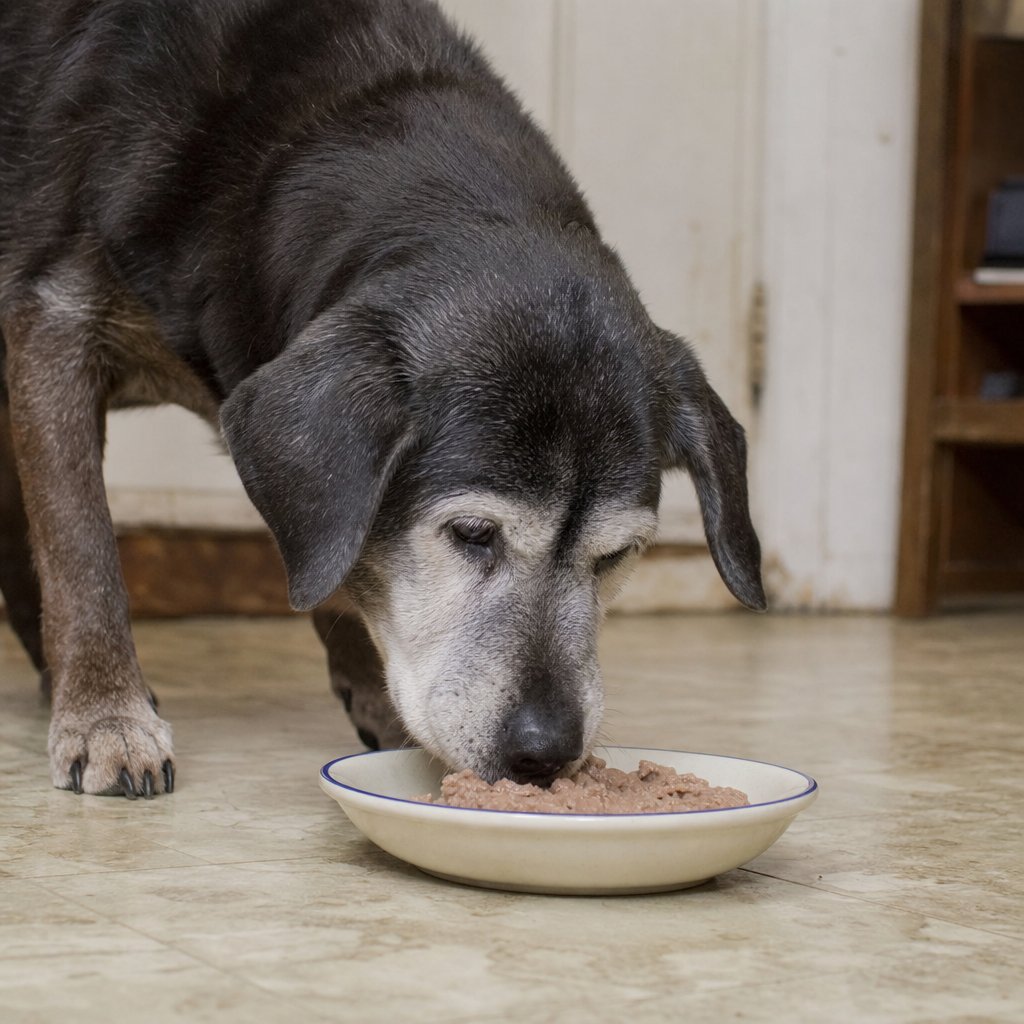
Soft food options that work well
There is no single best food for every toothless dog. The right choice depends on your dog’s age, appetite, health conditions, weight, and what they already like to eat. Many owners do best with a combination of commercial food for nutritional reliability and small texture adjustments for comfort.
Soaked kibble keeps meals familiar
If your dog has eaten kibble for years, you may not need to switch completely. Soaking kibble in warm water can soften it into an easy-to-eat dog food while preserving a familiar smell and flavor. For extra aroma, some owners use a dog-safe, low-sodium broth, but avoid broths with onion, garlic, heavy salt, or rich seasoning.
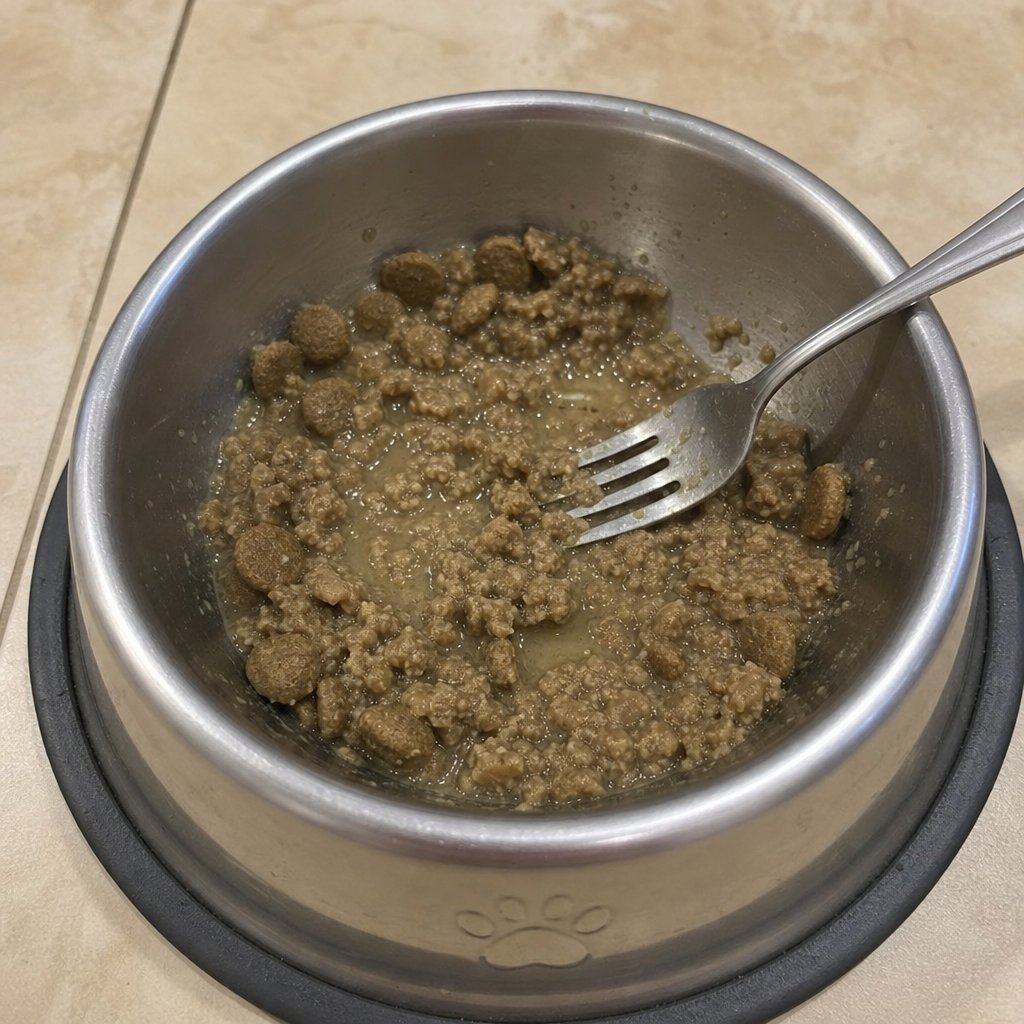
Let the kibble absorb liquid until it is soft all the way through, then mash it with a fork. Some dogs prefer a thick oatmeal-like texture, while others do better with a smoother consistency. If your dog spits pieces out or coughs after eating, the food may still be too firm or chunky.
Canned food is convenient and moisture-rich
Canned soft dog food, often sold as wet dog food, is widely available and usually easier for toothless dogs to manage. Pâté-style formulas tend to be smoother than stew-style foods, which may contain chunks that need mashing. Many canned diets are labeled as complete and balanced, making them a practical base for daily feeding. Picky eaters may also respond better to the stronger aroma and softer mouthfeel of wet food.
Moisture is a bonus, especially for elderly dog care. Older dogs may not drink as much as they should, and wet food can help increase overall fluid intake. Warming canned food slightly can also make the aroma stronger and the texture more soothing, but it should feel warm, not hot, before serving.
Fresh or homemade meals need careful balancing
Homemade soft meals can be helpful for dogs that refuse commercial food, but they require planning. A bowl of cooked chicken and rice may be gentle for a short time, but it is not automatically complete for long-term feeding. Dogs need a balanced mix of nutrients, and homemade diets often need supplements to prevent deficiencies.
If you want to make food at home, work with your veterinarian or a veterinary nutrition professional. A soft homemade meal may include cooked lean protein, a digestible carbohydrate, dog-safe vegetables such as plain cooked sweet potatoes, and an appropriate fat source, then be blended or finely mashed. Peanut butter may be used only as an occasional topper in a small amount, and it must be free from xylitol, which can be life threatening to dogs. Ingredients such as onions, garlic, grapes, raisins, chocolate, alcohol, and heavily seasoned foods should never be used.
How do you prepare meals so they are safe and comfortable?
Prepare meals by softening, mashing, blending, and serving food in a texture your dog can move around the mouth without pain. The goal is food that holds together enough to lap up but does not require biting, grinding, or strong chewing.
Small adjustments can make a big difference. A dog with sore gums may reject food that is cold from the refrigerator, too sticky, too dry, or filled with hidden chunks. Watch how your dog eats rather than assuming a food is working because it is labeled soft.
Use this simple process when changing meals:
- Start with the current food if possible. If your dog likes their existing kibble, soak and mash it before switching brands.
- Add warm liquid gradually. Too much water can make food soupy and messy, while too little leaves hard centers.
- Mash or blend evenly. Press out lumps that may be difficult for a dog without teeth to manage.
- Serve in a shallow bowl. A low, wide dish can make it easier for dogs with sensitive mouths or stiff necks.
- Offer smaller meals. Two to four smaller meals may be easier than one large serving, especially for seniors.
- Check the mouth area after eating. Food can collect around lips, gums, or facial folds and cause irritation.
Texture should match your dog’s ability. Some toothless dogs enjoy a soft, chunky stew once healed. Others need pâté or blended food for the rest of their lives. Small breeds may benefit from a shallower bowl, smaller portions, and a finer consistency. If your dog is dropping food, pawing at the mouth, turning away after a few bites, or chewing only on one side, schedule a veterinary check.
Building a balanced toothless dog diet
A comfortable diet still has to support the whole body. For many dogs, that means choosing a complete commercial food as the foundation and using preparation techniques to make it toothless-friendly. For others, it means a veterinary-guided plan that accounts for kidney disease, heart disease, weight concerns, food allergies, or digestive sensitivity. Protein, fats, vitamins and minerals all contribute to the immune system, muscle maintenance, and overall health, so softness should never be the only selection criterion.
Look for these qualities when choosing food:
- Complete and balanced nutrition. Daily meals should provide the nutrients your dog needs, not just calories.
- High-quality protein. Protein supports muscle maintenance, which matters greatly in nutrition for seniors.
- Appropriate calories. Some senior dogs gain weight with less activity, while others lose weight because eating is uncomfortable.
- Manageable texture. Pâté, mousse-like food, soaked kibble, or blended meals are often easiest.
- Digestive tolerance. Soft food is not helpful if it causes vomiting, diarrhea, gas, or appetite loss.
- Medical fit. Dogs with chronic conditions may need a therapeutic diet recommended by a veterinarian.
Avoid relying on treats, baby food, or table scraps as the main diet. Some baby foods contain unsafe ingredients, and table scraps can be too fatty, salty, or unbalanced. Treats should stay small, soft, and easy to swallow.
Treats and enrichment can still be enjoyable
Toothless dogs still deserve fun, rewards, and variety. The trick is replacing hard chews with softer options that satisfy without risking gum injury. Many dogs enjoy lick mats, soft training treats, stuffed rubber toys filled with smooth wet food, or frozen thin layers of dog-safe purée.
For enrichment, spread soft dog food on a lick mat and supervise your dog while they use it. You can also stuff a toy with soaked kibble and wet food, then chill it so it lasts longer. Avoid anything that requires forceful chewing, including hard dental chews, cooked bones, rawhide, hooves, and very firm biscuits.
If your dog has recently had extractions, wait for your veterinarian’s approval before using toys, frozen foods, or sticky treats. Healing gums can be tender, and even soft enrichment may be too much too soon. Once healed, gentle licking activities can make mealtime slower and more satisfying.
Why does dental care still matter if a dog has no teeth?
Dental health still needs attention even when a dog has few or no teeth because the gums, tongue, lips, and the rest of the mouth can develop irritation or infection. Dogs with some remaining teeth can still develop periodontal disease, while a fully toothless dog may have retained tooth roots, gum inflammation, ulcers, or oral masses. Tooth loss does not make the mouth maintenance-free, and bacteria can still cause discomfort.
Daily care may include gently wiping the gums with a soft cloth or brushing with a dog-safe toothbrush and toothpaste if your veterinarian says it is appropriate. Never use human toothpaste, because it can contain ingredients that are unsafe for dogs. Some dogs may also benefit from veterinary-recommended rinses or gels, especially after dental disease or extractions.
Routine veterinary exams remain important. Your vet can check for retained tooth roots, gum inflammation, oral masses, infection, jaw pain, and healing problems that are easy to miss at home. If your dog’s breath suddenly smells worse, saliva becomes bloody, or eating habits change, do not assume it is normal aging.
Signs your dog is struggling at mealtime
A dog without teeth may adapt beautifully, but owners should watch for subtle signs that meals are uncomfortable or nutritionally inadequate. Small changes often appear before obvious weight loss.
Call your veterinarian if you notice:
- Refusing food that your dog usually enjoys
- Dropping food repeatedly or pushing it around the bowl
- Coughing, gagging, or swallowing with difficulty
- Pawing at the mouth or rubbing the face
- Bleeding gums, swelling, drooling, or bad odor
- Weight loss, low energy, or loss of muscle
- Diarrhea or vomiting after a food change
- Sudden preference for only very wet or very warm food
These signs may point to pain, infection, digestive trouble, or a diet that does not match your dog’s needs. They can also appear after dental procedures if healing is delayed. Prompt help keeps a manageable feeding issue from becoming a larger health problem.
Making the transition easier
Change can be stressful for dogs, especially seniors who rely on routine. If your veterinarian has not advised an immediate switch, transition gradually by mixing wet and dry food or by blending the new soft texture with the old food over several days. Keep the flavor familiar at first, then adjust moisture and smoothness based on your dog’s response.
During the transition, measure portions and track appetite. Soft or wet food can look like more volume than dry kibble, so it is easy to overfeed or underfeed if you guess. Follow the feeding guide on the package as a starting point, then ask your veterinarian to help fine-tune portions for your dog’s body condition.
Mealtime setup matters too. Feed in a quiet space, use a non-slip mat, and give your dog enough time. Some elderly dogs eat slowly not because they dislike the food, but because their mouth, neck, or joints need extra patience.
How BenoPet approaches soft-format pet nutrition
As a pet supplement manufacturer, BenoPet helps brands develop private-label and OEM/ODM products in formats such as soft chews, powders, oils, drops, tablets, and pastes. When a product concept is intended for older dogs, small breeds, picky eaters, or dogs with dental sensitivity, we consider the formula and the real feeding experience together: soft texture, palatability, serving size, ingredient compatibility, packaging, and clear label directions all matter.
BenoPet can support product development from formula and sample preparation to packaging and label customization. However, a supplement positioned for dental health, the immune system, or overall health does not replace complete and balanced dog food unless it has been specifically formulated and labeled for that purpose. Feeding directions and claims should always match the finished formula, target market, and intended use.
A toothless dog can still thrive
Feeding a dog without teeth is less about limitation and more about thoughtful adaptation. With soaked kibble, canned food, balanced homemade options, and careful texture changes, you can create a toothless dog diet that supports comfort and health.
Keep meals soft, complete, and easy to manage. Watch your dog’s behavior closely, maintain oral care, and involve your veterinarian whenever appetite, weight, or mouth comfort changes. With the right routine, your dog can continue to enjoy food, treats, and daily life long after losing their teeth.
For pet brands developing easy-to-administer nutrition or supplement products, BenoPet provides practical OEM/ODM support built around the formula, format, packaging, and end-user experience—not just the ingredient list. Contact BenoPet to discuss a soft-format product concept for your market.
Sources
Frequently asked questions
- What should you feed a dog without teeth?
- Feed a toothless dog soft, moist, nutritionally complete food that can be swallowed comfortably without hard chewing. Good options include soaked kibble, pâté-style canned food, soft dog food designed for seniors, and veterinarian-approved homemade meals that are blended or mashed to a safe consistency. Softness alone is not the rule — the food still has to be complete.
- Can a dog with no teeth eat dry kibble?
- Soaking kibble in warm water can soften it into an easy-to-eat dog food while preserving a familiar smell and flavor, so you may not need to switch brands at all. Let it absorb liquid until soft all the way through, then mash with a fork. Hard kibble, bones, antlers, and crunchy treats are usually poor choices because they can irritate the gums.
- How do you prepare meals so they are safe and comfortable?
- Prepare meals by softening, mashing, blending, and serving food in a texture your dog can move around the mouth without pain. Start from the current food if possible, add warm liquid gradually, mash out lumps, serve in a shallow bowl, offer two to four smaller meals, and check the mouth area after eating.
- Why does dental care still matter if a dog has no teeth?
- Dental health still needs attention because the gums, tongue, lips, and the rest of the mouth can develop irritation or infection. A fully toothless dog may have retained tooth roots, gum inflammation, ulcers, or oral masses. Tooth loss does not make the mouth maintenance-free, and bacteria can still cause discomfort.
- What are the signs a toothless dog is struggling at mealtime?
- Call your veterinarian if your dog refuses food it usually enjoys, repeatedly drops food or pushes it around the bowl, coughs or gags, paws at the mouth, shows bleeding gums, swelling, drooling or bad odor, loses weight or muscle, or has diarrhea or vomiting after a food change.
- Can a toothless dog still have treats?
- Yes. Replace hard chews with softer options that satisfy without risking gum injury — lick mats, soft training treats, stuffed rubber toys filled with smooth wet food, or frozen thin layers of dog-safe purée. Avoid hard dental chews, cooked bones, rawhide, hooves, and very firm biscuits, and wait for veterinary approval after extractions.
Turn this into a product
Send a brief and our OEM/ODM team confirms the route, MOQ and sampling path.