Best Dog Food for Dogs with Diarrhea
Kurzantwort
The best dog food for dogs with diarrhea is usually a short-term bland diet or a veterinary gastrointestinal formula, fed in small meals. Chicken and rice can bridge a mild episode, while a complete GI diet fits longer or repeated trouble. Keep water available, skip rich extras, and call a veterinarian if the dog is weak, vomiting, or not improving.
Von Beno · Geprüft von Prof. Wang Kai, Technical Advisor
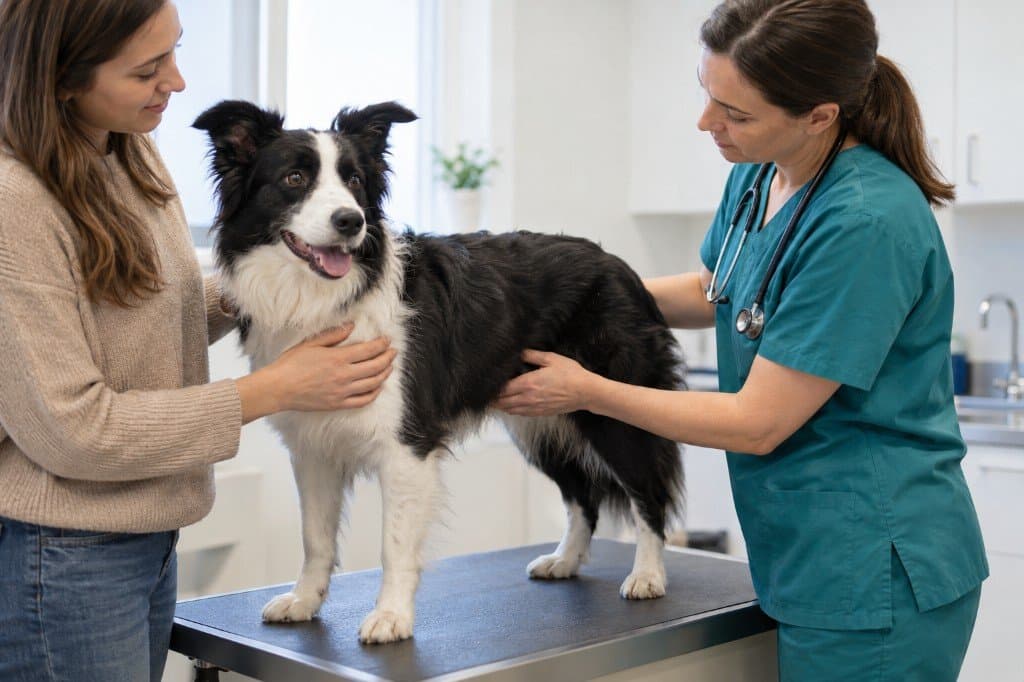
When your dog has diarrhea, the goal is simple: protect hydration, give the gut easy work, and avoid foods that can make loose stools worse. For many mild cases, the best dog food for dogs with diarrhea is a short-term bland diet or a veterinarian-recommended gastrointestinal formula, served in small portions while you watch for warning signs. This guide explains what to feed dogs with diarrhea, what to avoid, and when home feeding is no longer enough.
At BENO, we develop digestive-support supplements for pet brands. Choosing the best dog food for dogs with diarrhea starts with the right feeding plan; supplements should be considered within that plan with veterinary guidance. Learn more at the gut-health range.
What should you feed a dog with diarrhea?
Feed a dog with diarrhea small amounts of bland, low-fat, easy-to-digest food, such as boiled skinless chicken with plain white rice, or a complete veterinary gastrointestinal diet if your vet recommends one. Bland food is meant to be temporary support, not a long-term replacement for balanced dog food, and diarrhea that is severe, bloody, recurrent, or paired with vomiting or lethargy should be handled by a veterinarian. Veterinary sources commonly recommend bland or therapeutic gastrointestinal diets for uncomplicated acute diarrhea, while prolonged diarrhea can lead to dehydration and may require medical treatment. (vcahospitals.com)
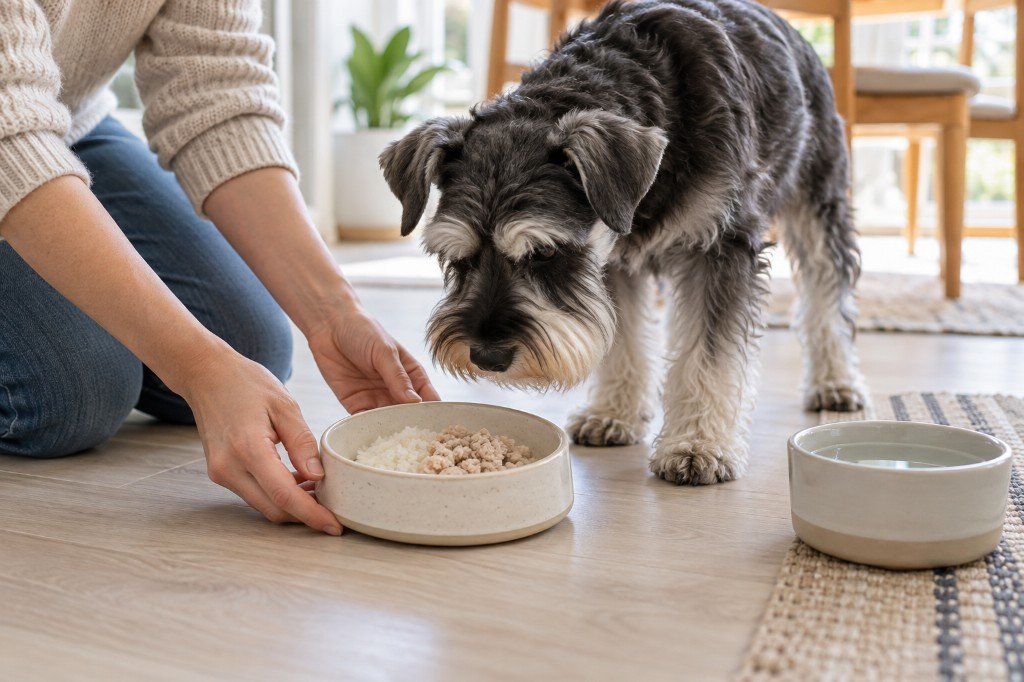
The most common homemade diet for dog with diarrhea is a simple mix of lean protein and plain carbohydrate. Think “boring” in the best way: no butter, oil, seasoning, gravy, onion, garlic, sauces, treats, or table scraps. The less your dog’s irritated digestive tract has to process, the easier it is to see whether stools are improving.
Useful bland food options include:
- Boiled skinless chicken and white rice: A classic choice because it is low in fat and easy to prepare. A common starting ratio is about one part chicken to two parts rice.
- Boiled lean ground turkey and rice: A good alternative if your dog tolerates turkey well. Drain off any fat before serving.
- Extra-lean ground beef and rice: Use only very lean beef, boil it rather than frying it, and drain it thoroughly.
- Veterinary gastrointestinal canned or dry food: A better option for dogs that need complete nutrition for more than a day or two, or dogs with repeated stomach issues.
Bland homemade food versus gastrointestinal dog food
Homemade bland food and commercial dog food for diarrhea can both help, but they solve slightly different problems. A homemade bland meal is convenient for short-term stomach upset when your dog is otherwise bright, drinking, and not showing emergency signs. A veterinary gastrointestinal diet is more complete and is often preferred for dogs with persistent, severe, chronic, or recurring diarrhea because it is formulated for digestive support and nutritional balance. Cornell’s canine health guidance notes that many acute cases are treated with a digestible bland diet or a therapeutic veterinary GI diet. (vet.cornell.edu)
Homemade bland diets are short-term tools
Chicken and rice can be helpful for a day or two, but it is not a complete and balanced diet for long-term feeding. It lacks the full nutrient profile dogs need if used for too long. If your dog’s diarrhea improves quickly, you can use bland meals as a bridge back to regular food; if symptoms continue, the food may be masking a problem rather than fixing it.
Veterinary GI diets offer more complete support
Prescription gastrointestinal diets are designed to be highly digestible and nutritionally complete when used as directed. Examples your veterinarian may discuss include Hill’s Prescription Diet i/d, Royal Canin Gastrointestinal or Gastrointestinal Low Fat, and Purina Pro Plan Veterinary Diets EN. Royal Canin’s Gastrointestinal Low Fat formula, for example, is described as a complete and balanced adult maintenance food available through veterinary channels, while Purina’s EN Gastroenteric canine formula is positioned for digestive conditions including vomiting and diarrhea. (royalcanin.com)
Canned formulas can help with moisture
Canned gastrointestinal food may be useful when hydration is a concern because wet food contributes more moisture than kibble. It can also be more appealing to dogs with low appetite. If you combine wet and dry dog food for loose stools, keep portions small and avoid adding extras unless your veterinarian says to.
Should you fast a dog with diarrhea?
A short food break may be appropriate for some healthy adult dogs, but fasting is not safe for every dog and should not replace veterinary care when symptoms are concerning. Puppies, toy or small breeds prone to low blood sugar, senior dogs, pregnant dogs, and dogs with diabetes or other chronic conditions should not be fasted without veterinary guidance. PetMD similarly advises caution with fasting and recommends consulting a veterinarian for puppies, seniors, and dogs with health issues. (petmd.com)
If your adult dog has mild diarrhea but is acting normal, drinking water, and not vomiting, your vet may suggest holding food briefly before starting bland meals. Many owners think the longer the fast, the better, but extended fasting can backfire by leaving the dog weak, nauseated, or too hungry to restart gently. When in doubt, skip the guesswork and call your veterinary clinic, especially if your dog is very young, very old, tiny, or medically fragile.
A practical feeding restart often looks like this:
- Offer water freely. Do not restrict water unless a veterinarian specifically tells you to.
- Start with a tiny bland meal. Try roughly one tablespoon of bland food per 10 pounds of body weight.
- Feed small meals often. Four to six mini-meals per day are usually gentler than one full bowl.
- Watch the next stool. Improvement may mean stools are less watery, less frequent, or easier for your dog to control.
- Pause extras. No chews, rich treats, dairy, leftovers, or flavored toppers during recovery.
Foods to help dogs with diarrhea recover gently
The best food for dog with diarrhea is not always one specific brand or recipe. It is the food that matches the cause, severity, and duration of the problem. For mild, short-lived digestive upset, a bland diet may be enough. For recurring loose stools, food intolerance, pancreatitis risk, inflammatory bowel disease, parasites, infection, or medication-related diarrhea, your dog needs a veterinarian’s plan rather than trial-and-error feeding.
Here is a simple way to choose your next step:
| Situation | Better feeding choice | Why it helps |
|---|---|---|
| One mild episode, dog is bright and drinking | Homemade bland chicken or turkey with rice | Low-fat, simple, and easy to digest for short-term support |
| Diarrhea lasts more than a day or keeps returning | Vet-recommended gastrointestinal diet | More balanced for ongoing use and designed for digestive support |
| Dog has a history of pancreatitis or fat sensitivity | Veterinary low-fat GI formula | Helps avoid high-fat meals that can worsen some digestive problems |
| Dog has poor appetite but can keep food down | Canned GI food in small portions | Adds moisture and may be easier to eat |
| Puppy, senior, tiny dog, or dog with disease | Call the vet before changing diet | Higher risk of dehydration, low blood sugar, or complications |
Probiotics may also be part of a recovery plan. Diarrhea can disrupt the gut microbiome, and veterinary probiotic products such as Purina FortiFlora, Proviable, or Visbiome Vet are commonly discussed for digestive support. PetMD notes that probiotics can help repopulate beneficial bacteria during gastrointestinal upset, while Purina describes FortiFlora products as probiotic supplements for dogs and cats. (petmd.com)
BENO's digestive-support range includes probiotic soft chews, powders, and liquid drops for private label projects. Brands can request formula specifications and discuss the format that suits their customers' feeding routines. Product choice and use during an active diarrhea episode should be guided by a veterinarian.
Foods and habits that can make diarrhea worse
During a diarrhea episode, “just a little” of the wrong food can restart the cycle. Fatty scraps, bacon, sausage, cheese, cream, peanut butter-heavy treats, and greasy leftovers can be too rich for an irritated gut. Seasoned human foods are risky because ingredients such as onion and garlic are unsafe for dogs, and even non-toxic seasonings can make it harder to identify what your dog is reacting to.
Avoid these until stools are normal and your vet says regular feeding can resume:
- Fatty meat, skin, drippings, gravy, and fried foods
- Dairy, including milk and cheese
- New treats, dental chews, bones, and bully sticks
- Raw diets during active diarrhea
- Spicy, salty, or seasoned foods
- Sudden switches to a new everyday kibble
- Large servings of pumpkin or fiber early in watery diarrhea unless advised
Pumpkin can be helpful in some digestive situations, especially when a veterinarian recommends fiber support, but it is not a cure-all. Too much fiber too soon may worsen gas or stool volume for some dogs. If you use pumpkin, choose plain canned pumpkin, not pie filling, and ask your vet how much is appropriate for your dog’s size and symptoms.
Hydration and warning signs matter most
Food gets most of the attention, but hydration is the bigger safety issue. Diarrhea causes fluid loss, and severe or prolonged diarrhea can require veterinary fluid therapy. VCA warns that severe or prolonged diarrhea may cause significant dehydration and other complications, and Merck Veterinary Manual guidance on diarrhea treatment emphasizes fluid and electrolyte support when needed. (vcahospitals.com)
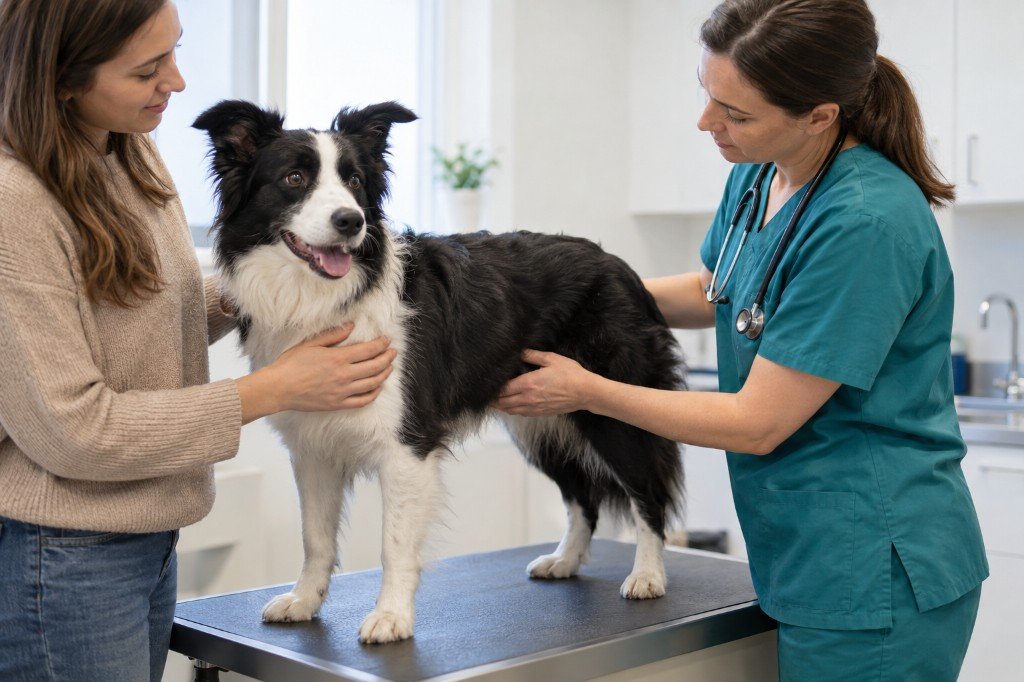
Call your veterinarian promptly if you notice:
- Blood in the stool or black, tar-like stool
- Repeated vomiting or inability to keep water down
- Lethargy, weakness, collapse, or obvious pain
- Dry or tacky gums, sunken eyes, or poor skin elasticity
- Diarrhea in a puppy, senior, or medically fragile dog
- Diarrhea lasting more than 24–48 hours
- Suspected toxin, foreign object, or spoiled food exposure
Unflavored electrolyte solutions are sometimes suggested, but they are not right for every dog or every medical condition. Ask your veterinarian before using Pedialyte or similar products, especially if your dog has kidney, heart, endocrine, or electrolyte issues.
Transition back to regular dog food slowly
Once your dog’s stool is improving, resist the urge to jump straight back to a full bowl of regular food. A slow transition helps prevent relapse. VCA notes that dogs can usually transition back to their regular diet over several days once stools return to normal. (vcahospitals.com)
A simple transition schedule is:
- Days 1–2: 75% bland or GI food, 25% regular food
- Days 3–4: 50% bland or GI food, 50% regular food
- Days 5–6: 25% bland or GI food, 75% regular food
- Day 7: 100% regular food if stools remain normal
If diarrhea returns during the transition, go back to the last ratio your dog tolerated and contact your vet. Repeated setbacks may mean the original food is too rich, the dog has an intolerance, or the diarrhea has a medical cause that diet alone cannot resolve.
The best choice is the safest match for your dog
The best dog food for diarrhea is not the fanciest bag on the shelf; it is the safest, most digestible choice for your dog’s current condition. Mild cases may improve with small meals of bland chicken and rice, while ongoing or severe cases often need a complete veterinary gastrointestinal diet, probiotics, hydration support, and a diagnosis. If your dog seems unwell, is high-risk, or is not improving, call your veterinarian before trying another diet change.
Develop a digestive-support range with BENO
For pet brands and distributors, BENO provides private label and OEM/ODM options using existing formulas or custom development, with flavour and packaging customization. Send your target market, preferred format, and estimated quantity to request specifications, samples, and a quotation.
Quellen
Häufige Fragen
- What should you feed a dog with diarrhea?
- Feed a dog with diarrhea small amounts of bland, low-fat, easy-to-digest food, such as boiled skinless chicken with plain white rice, or a complete veterinary gastrointestinal diet if your vet recommends one. Bland food is meant to be temporary support, not a long-term replacement for balanced dog food, and diarrhea that is severe, bloody, recurrent, or paired with vomiting or lethargy should be handled by a veterinarian.
- Should you fast a dog with diarrhea?
- A short food break may be appropriate for some healthy adult dogs, but fasting is not safe for every dog and should not replace veterinary care when symptoms are concerning. Puppies, toy or small breeds prone to low blood sugar, senior dogs, pregnant dogs, and dogs with diabetes or other chronic conditions should not be fasted without veterinary guidance.
- When is a veterinary GI diet a better choice than chicken and rice?
- Homemade bland food and commercial dog food for diarrhea can both help, but they solve slightly different problems. A homemade bland meal is convenient for short-term stomach upset when your dog is otherwise bright, drinking, and not showing emergency signs. A veterinary gastrointestinal diet is more complete and is often preferred for dogs with persistent, severe, chronic, or recurring diarrhea.
- What foods can make diarrhea worse?
- During a diarrhea episode, “just a little” of the wrong food can restart the cycle. Fatty scraps, bacon, sausage, cheese, cream, peanut butter-heavy treats, and greasy leftovers can be too rich for an irritated gut. Seasoned human foods are risky because ingredients such as onion and garlic are unsafe for dogs.
- How do you transition back to regular dog food?
- Once your dog’s stool is improving, resist the urge to jump straight back to a full bowl of regular food. A slow transition helps prevent relapse. VCA notes that dogs can usually transition back to their regular diet over several days once stools return to normal.
- When does diarrhea need a veterinarian?
- Food gets most of the attention, but hydration is the bigger safety issue. Diarrhea causes fluid loss, and severe or prolonged diarrhea can require veterinary fluid therapy. VCA warns that severe or prolonged diarrhea may cause significant dehydration and other complications.
Stock formulas this guide maps to
These SKUs are already in production. Open a spec page or send the names in your inquiry.
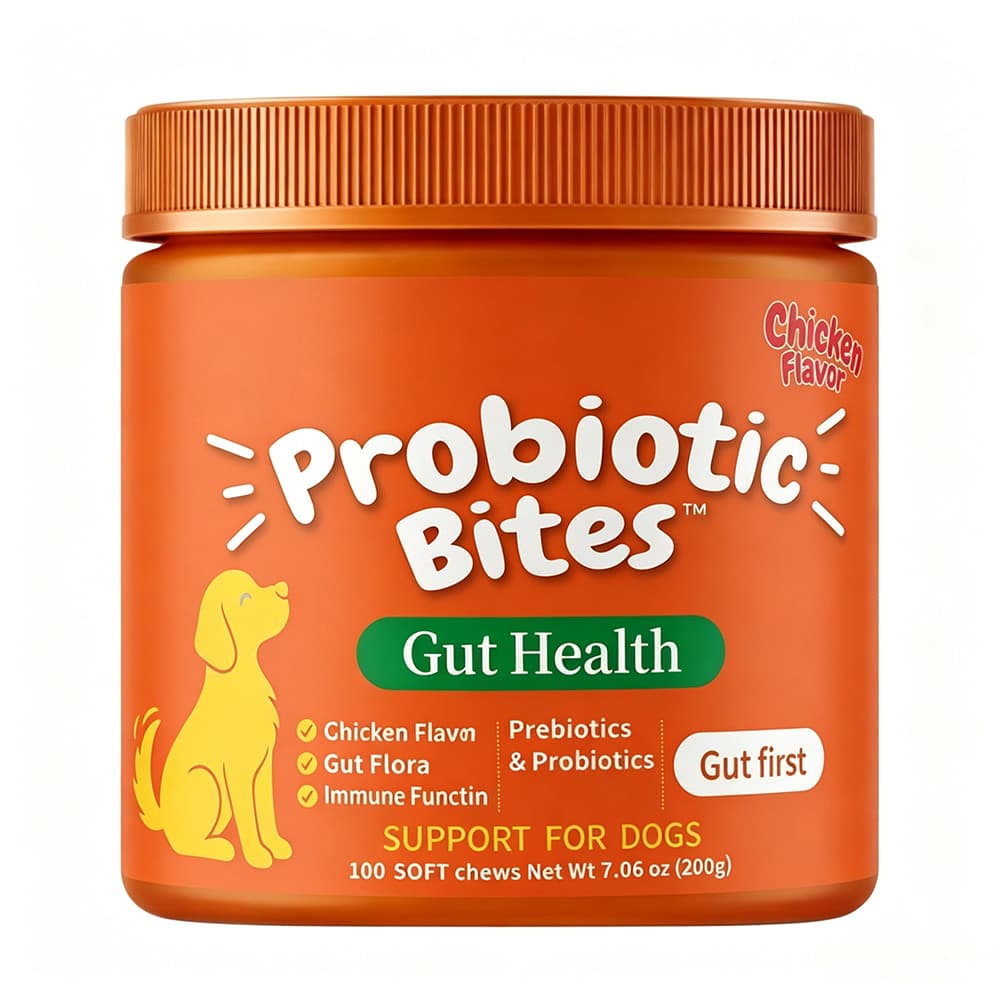 SoftkausnacksSofort lieferbar
Hunde und Katzen · Darmgesundheit
Probiotische Softkausnacks für die Darmgesundheit
Tägliche Verdauungsunterstützung in einem leicht positionierbaren Format.
- Referenzpreis
- US$3.60 je Einheit, ohne Verpackung
- Mindestmenge ab
- 3,000 Einheiten
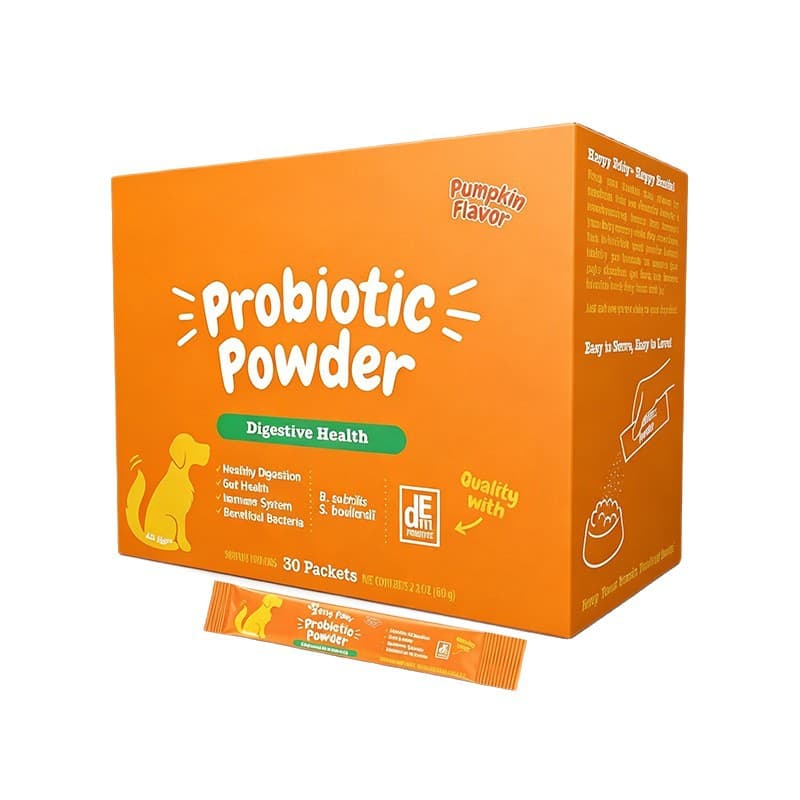 Pulver
Hunde und Katzen · Darmgesundheit
Probiotisches Pulver für Heimtiere
Regalfertiges Verdauungspulver für Hunde und Katzen.
- Referenzpreis
- US$7.16 je Einheit, ohne Verpackung
- Mindestmenge ab
- 3,000 Einheiten
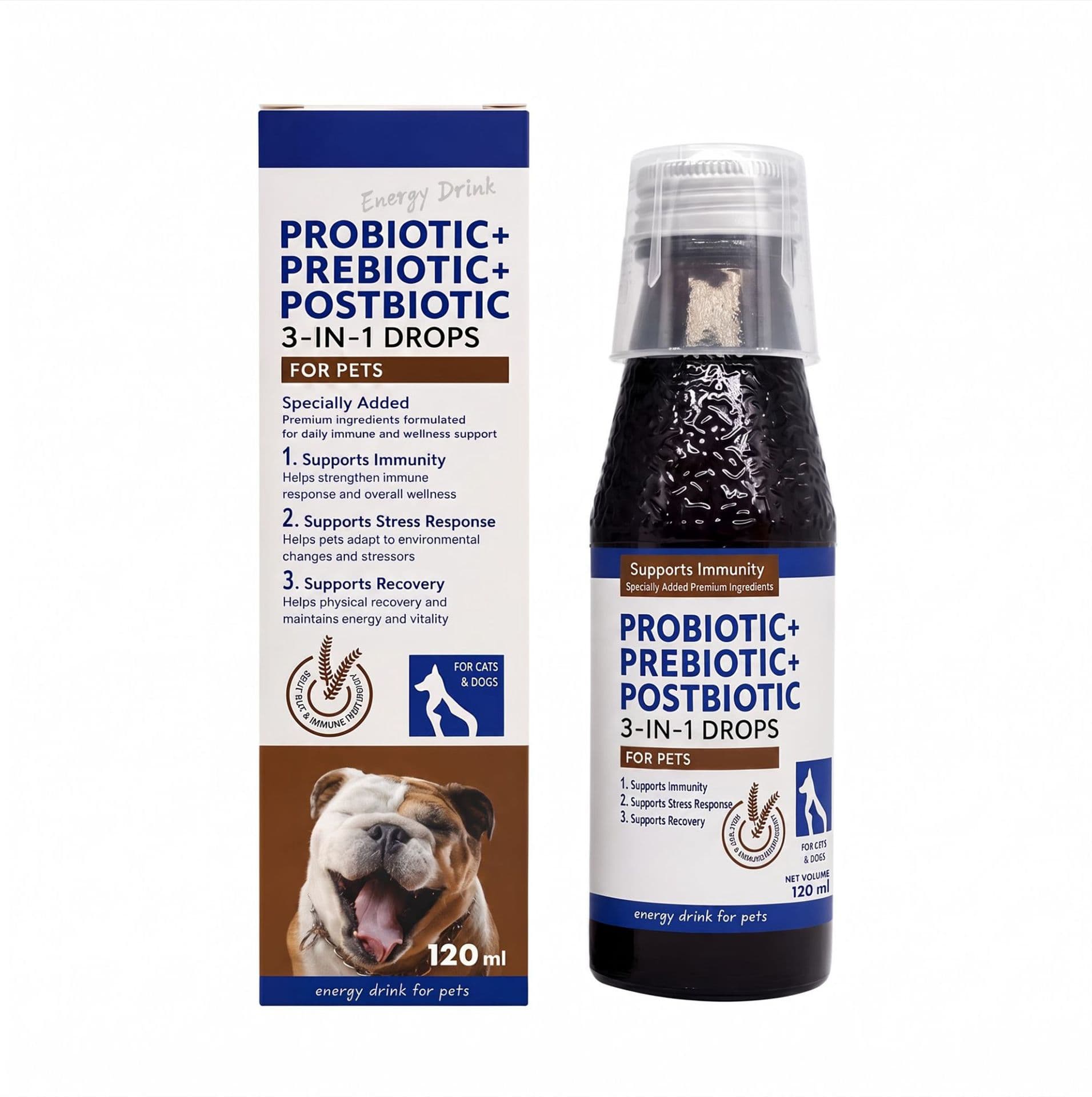 Tropfen
Hunde · Darmgesundheit
Probiotika-Tropfen für Hunde
Flüssige Probiotika für Hunde, die Pulver und Snacks verweigern.
- Referenzpreis
- US$6.39 je Einheit, ohne Verpackung
- Mindestmenge ab
- 3,000 Einheiten
Machen Sie ein Produkt daraus
Senden Sie uns ein Briefing – unser OEM/ODM-Team bestätigt Weg, MOQ und Musterprozess.