
Homemade Cat Food Supplement
快速回答
A homemade cat food supplement is a measured premix that fills nutrient gaps meat, organs, and kitchen ingredients can leave in homemade cat meals. It only works as part of a complete recipe. BenoPet manufactures complementary cat powders and drops, not a catalogue premix that turns kitchen meat into an AAFCO complete ration.
作者 Beno · 审核 Prof. Wang Kai, Technical Advisor
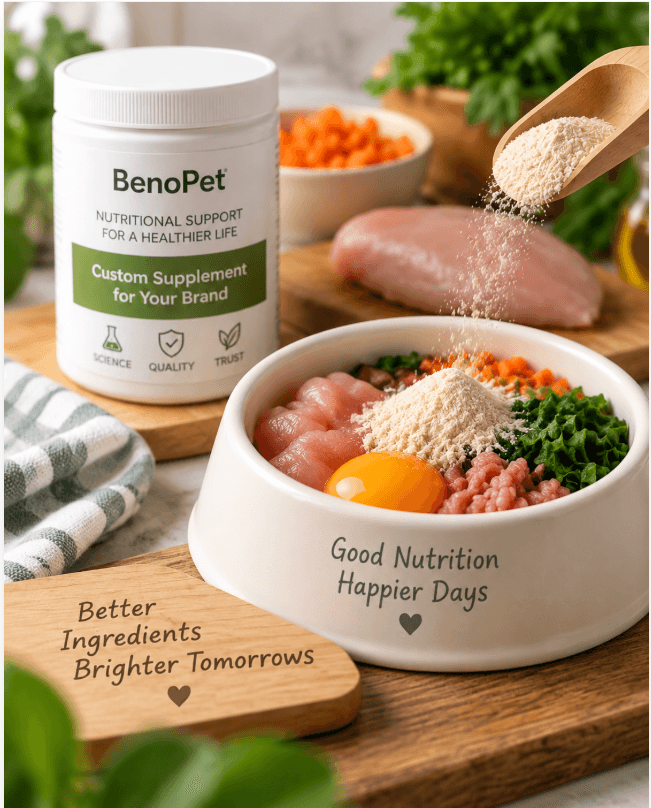
Homemade feeding can give cat owners more control over ingredients, texture, and freshness, but it is only a healthy cat diet when the recipe is nutritionally complete. A homemade cat food supplement, usually a measured premix powder, helps fill the nutrient gaps that plain meat, organs, and kitchen ingredients can leave behind. Used correctly, it makes homemade cat meals more practical, consistent, and safer for long-term feeding.
BenoPet makes the cat powders and drops a brand can sell next to homemade feeding, not a tub that turns leftover chicken into a complete ration. A homemade cat food supplement that is meant to complete homemade cat meals has to follow a named recipe. A cat supplement for homemade food that only sits on top of an already complete diet is a different SKU. Owners should still follow the premix they bought. Brands should say which of those two jobs they want before anyone talks flavour.
Why do homemade cat meals need supplements?
Homemade cat meals need supplements because cats require a precise balance of amino acids, minerals, vitamins, fats, and calories that ordinary meat-based cat food recipes may not provide on their own. Cats are obligate carnivores, meaning they rely on nutrients found in animal products, but “meat” is not the same thing as a complete prey-style diet or a nutritionally balanced formulated meal. Cornell Feline Health Center notes that AAFCO minimum nutritional requirements are used as standards for producing cat foods, which is why homemade pet food needs the same level of nutrient planning rather than guesswork. (vet.cornell.edu)
The big issue is that deficiencies often develop quietly. A cat may eat an unbalanced homemade recipe enthusiastically for weeks or months before the consequences show up. Taurine is a familiar example: Merck Veterinary Manual identifies taurine as essential for cats, and taurine deficiency can contribute to dilated cardiomyopathy and central retinal degeneration. (merckvetmanual.com)
Calcium is another common weak spot. Muscle meat is naturally high in phosphorus compared with calcium, so feeding mostly boneless meat can skew the mineral balance. AAFCO’s consumer guidance also explains that cats need nutrients such as taurine and preformed vitamin A, and that pet food must be formulated for the intended species and life stage. (aafco.org)
Taurine and calcium are why a homemade recipe cannot be “just meat.” They are also why a brand cannot print cat on a dog powder and call it a homemade cat food supplement. BenoPet will make a cat-only mix-in. We will not write the missing milligrams for someone else’s homemade cat food recipes unless a veterinary nutritionist already specified the meat, organs, fat, and water that powder is supposed to complete.
The main benefits of a homemade cat food supplement
A good cat supplement for homemade food is not just a “boost.” It is the nutritional framework that turns fresh ingredients into a more dependable daily meal. That matters because homemade feeding has little room for improvising when it becomes a cat’s primary diet.
Key benefits include:
- More complete nutrition: A premix can supply nutrients that are hard to balance at home, including taurine, calcium, trace minerals, B vitamins, vitamin E, and other essentials.
- Less recipe math: Instead of calculating every micronutrient from scratch, you follow a formula designed for specific ingredients and serving amounts.
- Better consistency: Cats do best when their daily diet is reliably balanced, not dramatically different from batch to batch.
- More ingredient control: You can choose proteins your cat tolerates, which may help households managing picky eating or suspected food sensitivities.
- Simpler meal prep: A measured powder is easier than sourcing many individual supplements and trying to dose each one accurately.
This does not mean every supplement is appropriate for every cat. AAFCO describes some supplements as base mixes of vitamins and minerals intended to be combined with meats, carbohydrates, and fat components to provide a meal, but it also cautions that owners need to understand the baseline nutrients in the diet and the nutrients added by the supplement. (aafco.org)
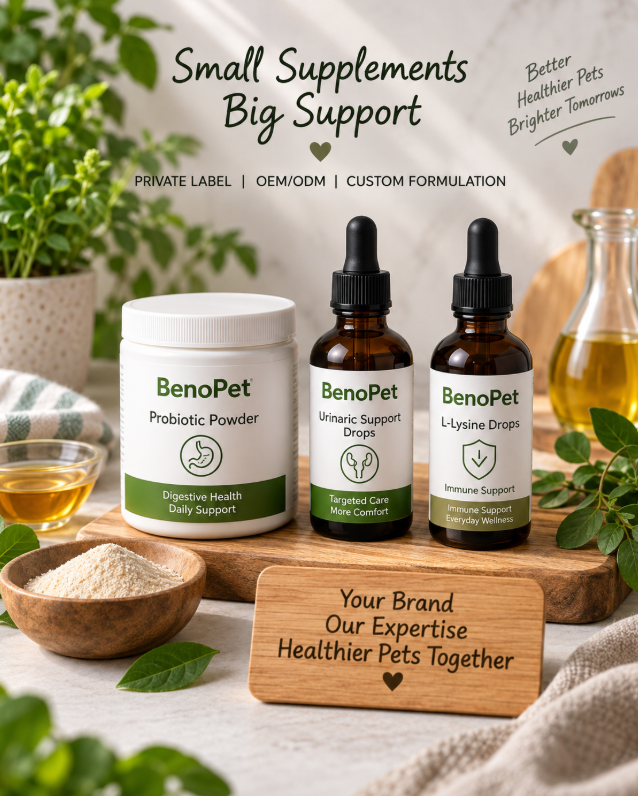
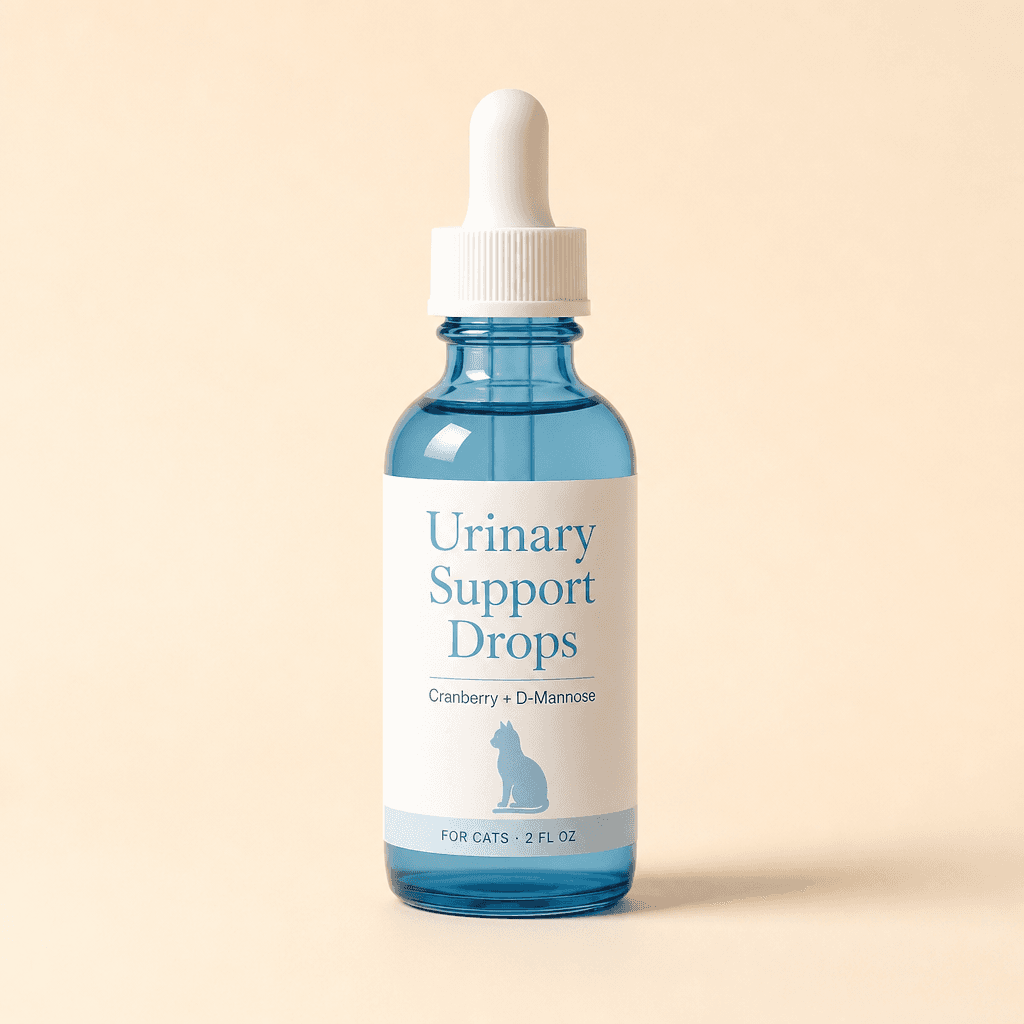
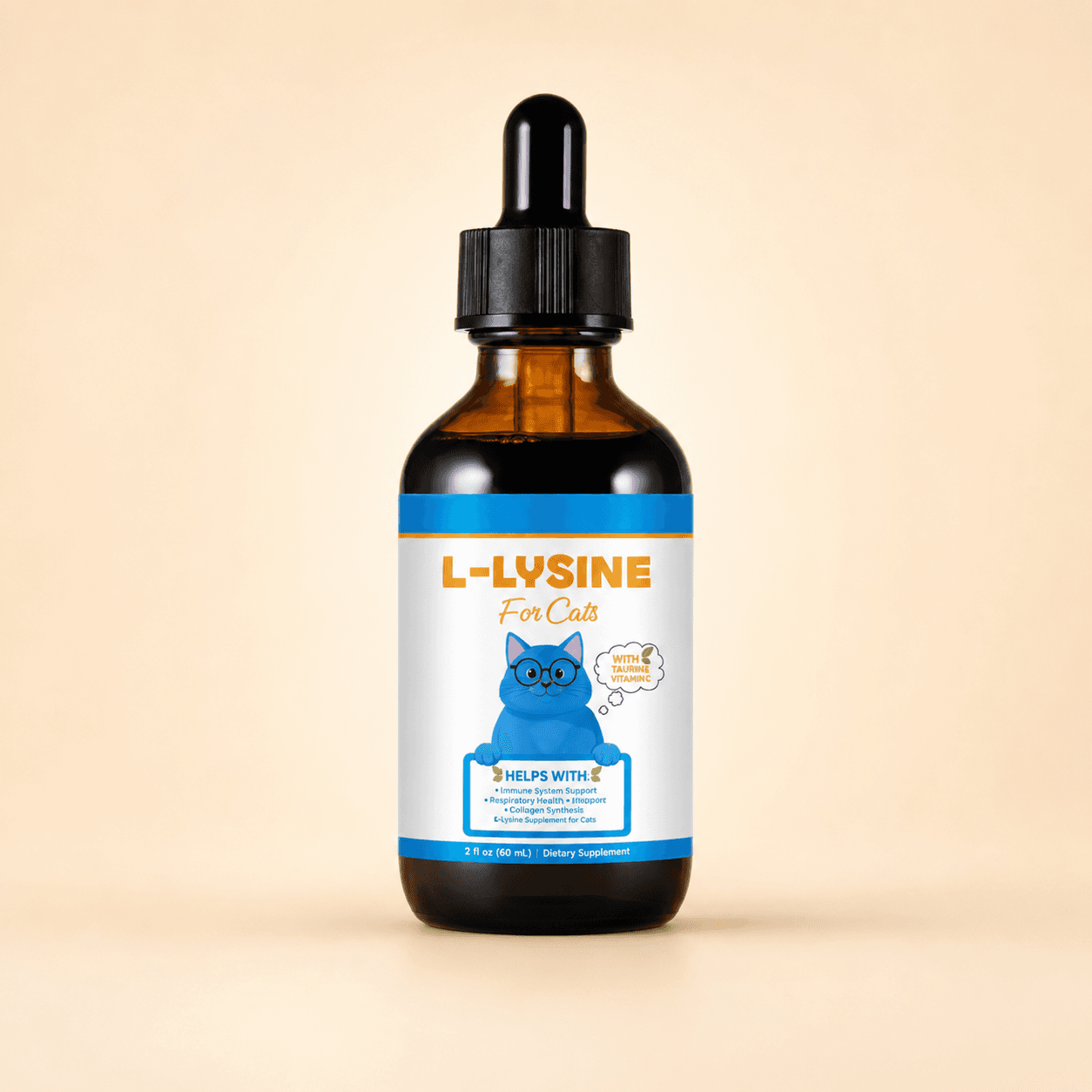
What BenoPet already makes for that “sit beside the bowl” job is pet probiotic powder, cat urinary support drops, and L-lysine liquid drops. Those are not a homemade cat food supplement premix. They do not supply the calcium-to-phosphorus correction or the taurine dose a homemade ration still needs. If a buyer wants a cat supplement for homemade food that actually completes the meal, they need a nutritionist’s recipe first, then a powder built to that recipe, not a catalogue probiotic tub relabelled as natural cat food.
What makes a high-quality supplement worth using?
A high-quality supplement is one that is designed for complete homemade cat food, gives clear preparation instructions, and is formulated around recognized nutrition standards rather than vague wellness claims. Look for products that explain whether they are intended for adult maintenance, growth, all life stages, or a special veterinary-guided use. FDA guidance explains that an AAFCO nutrient profile or AAFCO feeding-trial reference on pet food labeling offers better assurance that a “complete and balanced” claim is valid. (fda.gov)
When evaluating a homemade cat food supplement, read beyond the front label. The best choice is usually the one that makes correct use easy and incorrect use harder. If the directions are vague, the recipe allows unlimited substitutions, or the company does not explain what type of food the product is meant to complete, be cautious.
Use this checklist before choosing a premix:
- Species-specific formulation: It should be for cats, not a general pet supplement. Cats have different requirements from dogs, including taurine and preformed vitamin A needs. (aafco.org)
- Clear life-stage guidance: Kittens, pregnant or nursing cats, adults, and seniors may not all need the same formula.
- Defined recipe instructions: The label should say what to mix it with, such as boneless meat, organ meat, water, fat, or other required ingredients.
- Nutrition standard alignment: Look for language about AAFCO or another recognized standard when the product is intended to make a complete diet.
- Transparent ingredient purpose: Minerals, vitamins, amino acids, and other nutrients should be included for a reason, not as a decorative list.
- No casual megadosing: More is not automatically better. Excesses can be harmful, especially when multiple supplements are layered.
- Veterinary input when needed: Cats with kidney disease, urinary issues, diabetes, gastrointestinal problems, or other medical conditions need individualized guidance.
On the factory side of that checklist: cat means cat, not a shared “pet” premix. A complete homemade cat food supplement needs the meat, organs, and fat written on the same sheet as the powder. Cats with kidney disease are not an adult-maintenance premix with the phosphorus quietly lowered in WhatsApp. We will not print treatment of kidney disease. Urinary language on cat formulas stays on urinary and hydration support.
Fresh food still needs nutritional structure
Many people are drawn to natural cat food because it feels closer to what cats are meant to eat. Fresh meat, moisture-rich meals, and short ingredient lists can be appealing, especially if your cat refuses many commercial foods or you want to avoid certain fillers, flavors, or proteins. But “natural” does not automatically mean balanced.
A plain chicken thigh, for example, may be fresh and high in animal protein, but it is not a complete feline diet by itself. It may lack the right calcium-to-phosphorus balance, enough trace minerals, or the full vitamin profile a cat needs over time. A homemade cat food supplement gives the meal structure, so the fresh-food benefits are supported by nutritional planning.
This is also where premixes can reduce overwhelm. Without one, homemade cat food recipes may require several separate ingredients: calcium source, taurine, iodine, vitamin E, B-complex nutrients, omega fatty acids, and more. A premix can combine many of those essentials in one measured product, provided you follow the recipe exactly.
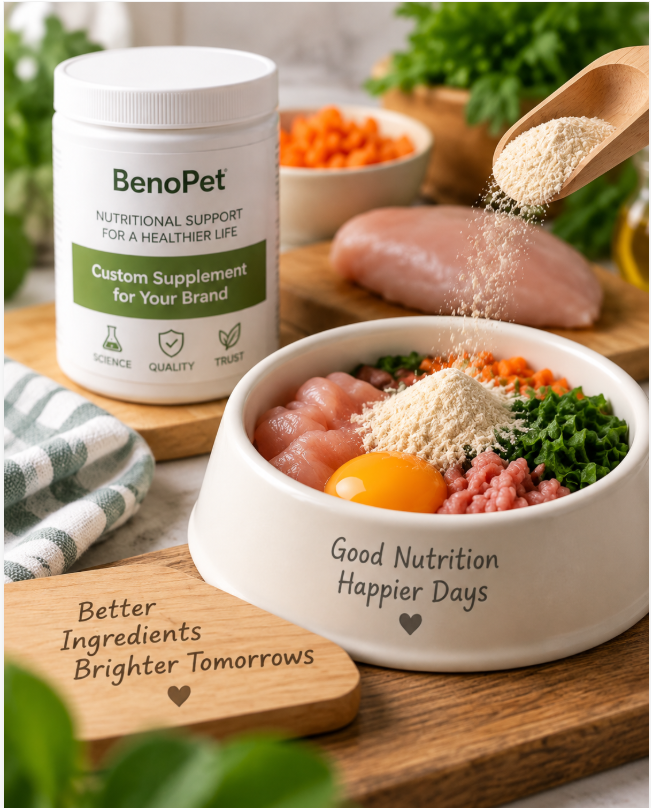
Fresh food in a bowl still has to be mixed with a powder that is the same at the top of the tub and at the bottom. On a premix line the actives are a small fraction of the carrier. If that blend is uneven, one homemade recipe is short on taurine and the next is heavy. That is the kitchen-scale problem in factory clothes. BenoPet runs powder. We do not run complete fresh food.
How should you use supplements in homemade cat food?
You should use supplements exactly as directed by the product label or by a veterinary nutrition professional, because premixes are formulated around specific ingredient ratios. Changing the meat type, adding extra organs, skipping fat, cooking when the recipe assumes raw food, or replacing required ingredients can change the final nutrient balance. Tufts Petfoodology advises that the safest way to make a home-cooked pet diet is to use a recipe from a board-certified veterinary nutritionist or a qualified animal nutrition expert and follow it precisely. (sites.tufts.edu)
A practical process looks like this:
- Choose the right recipe first. Do not buy a supplement and improvise. Pick a recipe designed for that exact premix.
- Select appropriate proteins. Common choices include chicken, turkey, beef, pork, lamb, rabbit, or other meats the formula allows.
- Measure ingredients accurately. Use a kitchen scale, not visual estimates, especially for meat, water, oils, and powder.
- Mix thoroughly. Supplements must be evenly distributed so one portion is not overloaded while another is under-supplemented.
- Portion before storing. Freeze or refrigerate in meal-sized containers to preserve freshness and make feeding easier.
- Feed according to body condition. The right amount depends on weight, age, activity, metabolism, and whether your cat needs to gain, lose, or maintain weight.
- Track your cat’s response. Monitor appetite, stool quality, coat condition, energy, and weight, and adjust with veterinary input.
The emails that stall say “natural cat food powder, please quote.” A homemade cat food supplement premix cannot be quoted from that line. The quote needs the meat list, cooked or raw, and whether the powder completes homemade cat food recipes or only goes on a commercial diet. Without those three facts, nobody can set taurine, calcium, or iodine.
Raw and cooked homemade diets need different planning
Some supplements are designed for raw homemade cat meals, while others work with cooked meat. That distinction matters. Cooking changes moisture, texture, and some nutrient levels, so a recipe made for raw ingredients may not remain equivalent after heating unless the manufacturer or formulator provides cooked instructions.
Raw feeding also carries food-safety concerns. Cornell Feline Health Center states that raw diets can contain viable bacteria, viruses, and parasites that may infect cats and people, particularly immunocompromised individuals, and says it does not recommend feeding cats these diets. (vet.cornell.edu) If you still consider raw homemade pet food, discuss the risks with your veterinarian and use strict handling practices.
Cooked homemade food can feel more approachable for many households. It may reduce some food-handling worries, and many cats accept gently cooked poultry well. Still, cooked does not mean complete; you still need a recipe that accounts for the final prepared food, not just the raw ingredient list.
A dropper of lysine does not pasteurise a raw bowl, and it does not finish a cooked one. If the powder is for homemade cat meals that start as raw meat, say raw. If the meat is cooked, say cooked. Water activity, in-use life after opening, and whether propylene glycol is even legal (it is not, in US cat liquids) all move with that choice. BenoPet will not pretend a complementary powder is a raw or cooked complete diet.
Common mistakes to avoid
The biggest homemade feeding mistakes usually come from good intentions. Cat owners want variety, freshness, or simplicity, but small changes can have large nutritional effects when the diet is repeated every day.
Avoid these common problems:
- Using a supplement made for commercial food: Toppers and general wellness powders are not the same as a premix intended to complete homemade cat meals.
- Adding extra liver or fish “for nutrition”: Nutrient-dense ingredients can push vitamins or minerals out of balance if the recipe did not call for them.
- Rotating recipes too casually: Variety is fine when each recipe is complete, but switching between incomplete meals does not create balance.
- Guessing portions: Overfeeding can cause weight gain, while underfeeding may leave your cat short on calories and nutrients.
- Ignoring life stage: Kittens are not small adults. Growth diets require special attention.
- Stopping veterinary checkups: Homemade feeding works best when body weight, dental health, stool changes, and lab work are monitored over time.
The same mistakes arrive as brand briefs. Hairball paste is not a homemade cat food supplement. Probiotic powder is not the calcium a boneless homemade recipe is missing. Extra liver “for nutrition” is how vitamin A walks off the map. If the pack will sit next to other cat foods, write whether it completes the meal before you write chicken flavour.
Supplements make customization safer
One of the real advantages of supplemented homemade cat food is flexibility. If your cat prefers turkey over beef, needs a softer texture, or does better with a limited number of proteins, a premix may allow controlled customization while keeping the recipe anchored. That is especially helpful for cats that are selective, older, or sensitive to sudden food changes.
Transition slowly. Start by offering a tiny amount of the new prepared food beside the current diet, then increase gradually if your cat accepts it and digestion stays normal. Some cats need days; others need longer. Keep the transition boring, predictable, and low-pressure.
A simple transition plan:
- Offer a pea-sized taste of the new food separately.
- If accepted, replace a small portion of one meal.
- Increase the homemade portion gradually over several days or weeks.
- Introduce only one new protein at a time.
- Pause changes if vomiting, diarrhea, refusal, or weight loss occurs.
- Ask your veterinarian for help if your cat has a medical condition or is eating poorly.
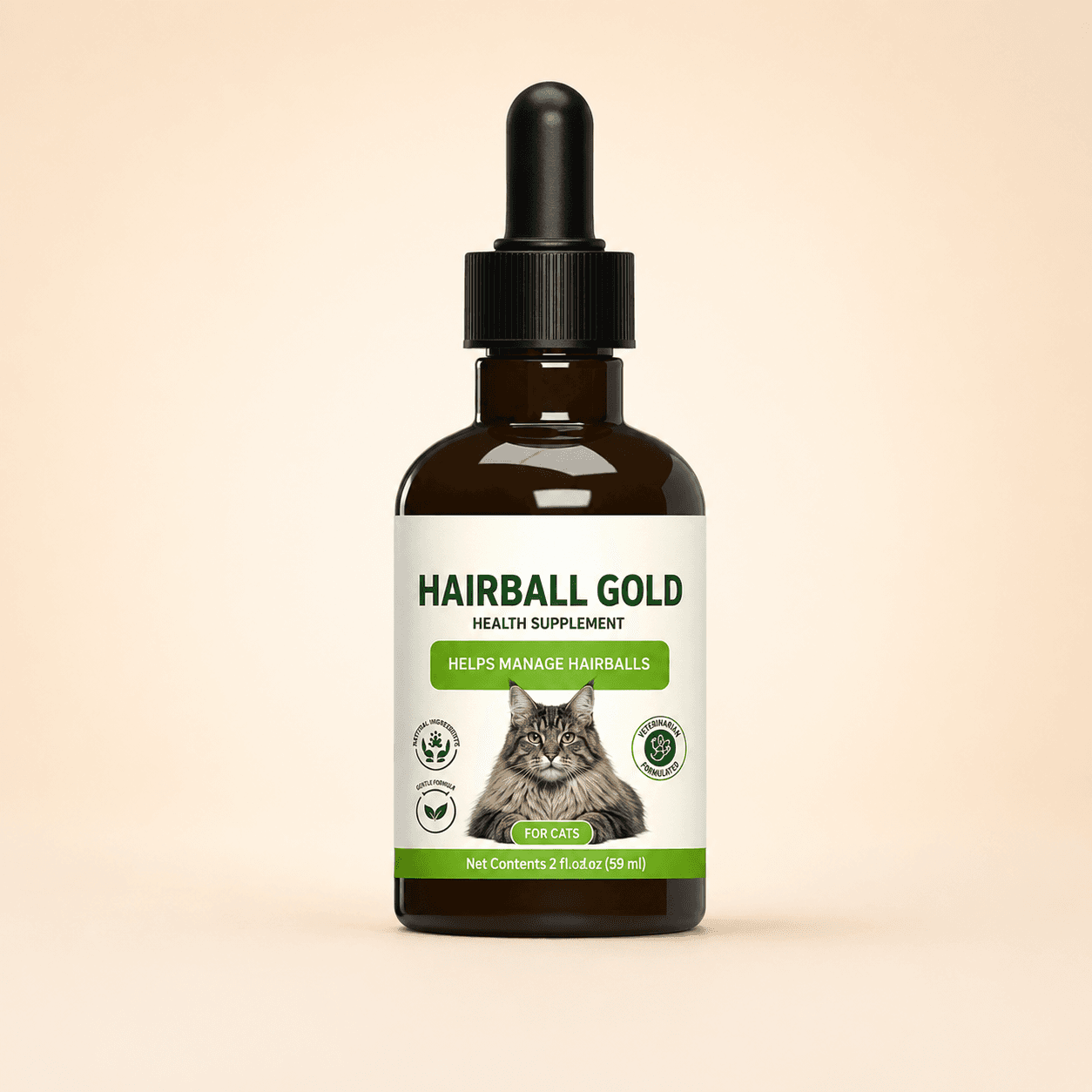
Cat hairball relief drops belong in a hairball routine. They do not balance fresh meat. If a cat already eats a homemade recipe, add one new complementary product at a time, the same way the owner adds one new protein.
The takeaway for a better homemade routine
Homemade cat food can be fresh, appealing, and highly personal, but it should never rely on instinct alone. A well-chosen homemade cat food supplement helps bridge the gap between wholesome ingredients and complete feline nutrition, making your routine easier and your cat’s diet more dependable.
Think of the supplement as part of the recipe, not an optional add-on. Choose a cat-specific premix, follow directions carefully, keep portions consistent, and involve your veterinarian when your cat’s age, weight, or health status calls for extra support. That is how homemade feeding moves from a good idea to a safer, more sustainable daily habit.
Brands that want a complementary mix-in for homemade feeding can start from private label cat powders and drops. A homemade cat food supplement that is supposed to make the whole homemade ration complete still needs the nutritionist’s recipe first.
参考来源
常见问题
- Why do homemade cat meals need supplements?
- Homemade cat meals need supplements because cats require a precise balance of amino acids, minerals, vitamins, fats, and calories that ordinary meat-based cat food recipes may not provide on their own. Cornell Feline Health Center notes that AAFCO minimum nutritional requirements are used as standards for producing cat foods, which is why homemade pet food needs the same nutrient planning rather than guesswork.
- What is a homemade cat food supplement?
- A homemade cat food supplement is usually a measured premix powder that helps fill the nutrient gaps that plain meat, organs, and kitchen ingredients can leave behind. Used correctly, it makes homemade cat meals more practical, consistent, and safer for long-term feeding. It is part of the recipe, not an optional add-on.
- What makes a high-quality cat supplement for homemade food worth using?
- A good cat supplement for homemade food is designed for complete homemade cat food, gives clear preparation instructions, and is formulated around recognized nutrition standards rather than vague wellness claims. It should be species-specific for cats, name the life stage, say what to mix it with, and make incorrect use harder.
- How should you use supplements in homemade cat food recipes?
- Use supplements exactly as directed by the product label or a veterinary nutrition professional, because premixes are formulated around specific ingredient ratios. Tufts Petfoodology advises using a recipe from a board-certified veterinary nutritionist or qualified animal nutrition expert and following it precisely. Measure on a kitchen scale and mix thoroughly.
- Can cats with kidney disease eat homemade cat food?
- Cats with kidney disease, urinary issues, diabetes, gastrointestinal problems, or other medical conditions need individualized veterinary guidance. A homemade cat food supplement premix written for healthy adult maintenance is not a kidney diet. BenoPet will not print treatment of kidney disease on a complementary SKU.
- Does BenoPet manufacture a complete homemade cat food supplement premix?
- BenoPet manufactures complementary cat and dog supplements in powder, drops, oils, pastes, tablets, and chews. It does not sell a catalogue premix that completes homemade cat food into an AAFCO complete ration, and it does not manufacture complete kibble, canned food, or frozen diets. Brands that need a complementary mix-in can start from private label and OEM/ODM.
这篇指南对应的现成配方
这些 SKU 已在产。打开规格页,或把名字写进询盘。
把它变成一款产品
发送项目简介,OEM/ODM 团队会确认合作路径、起订量和打样流程。